When parents think about kindergarten or preschool readiness, most think about academics first:
“Can my child count?”
“Do they know their letters?”
“Can they write their name?”
While academic skills are important, school readiness is actually about much more than early academics.
At Progressive Pediatric Therapy, we work with many families who notice their child is bright and capable, but may still struggle with some of the foundational developmental skills needed for a successful transition into the classroom.
The good news? These skills can be strengthened with support, practice, and the right environment.
What Is School Readiness?
School readiness refers to the developmental skills children need to participate successfully in a classroom environment.
This includes far more than knowing letters and numbers.
True school readiness involves a combination of:
- communication skills
- fine motor development
- attention and focus
- social-emotional skills
- sensory regulation
- independence with routines
- early literacy foundations
Children develop these skills at different rates, and needing additional support does not mean a child is “behind.” It simply means they may benefit from opportunities to strengthen certain developmental foundations before entering a structured academic setting.
Signs Your Child May Need Extra School Readiness Support
Every child develops differently, but some common signs that a child may benefit from additional support include:
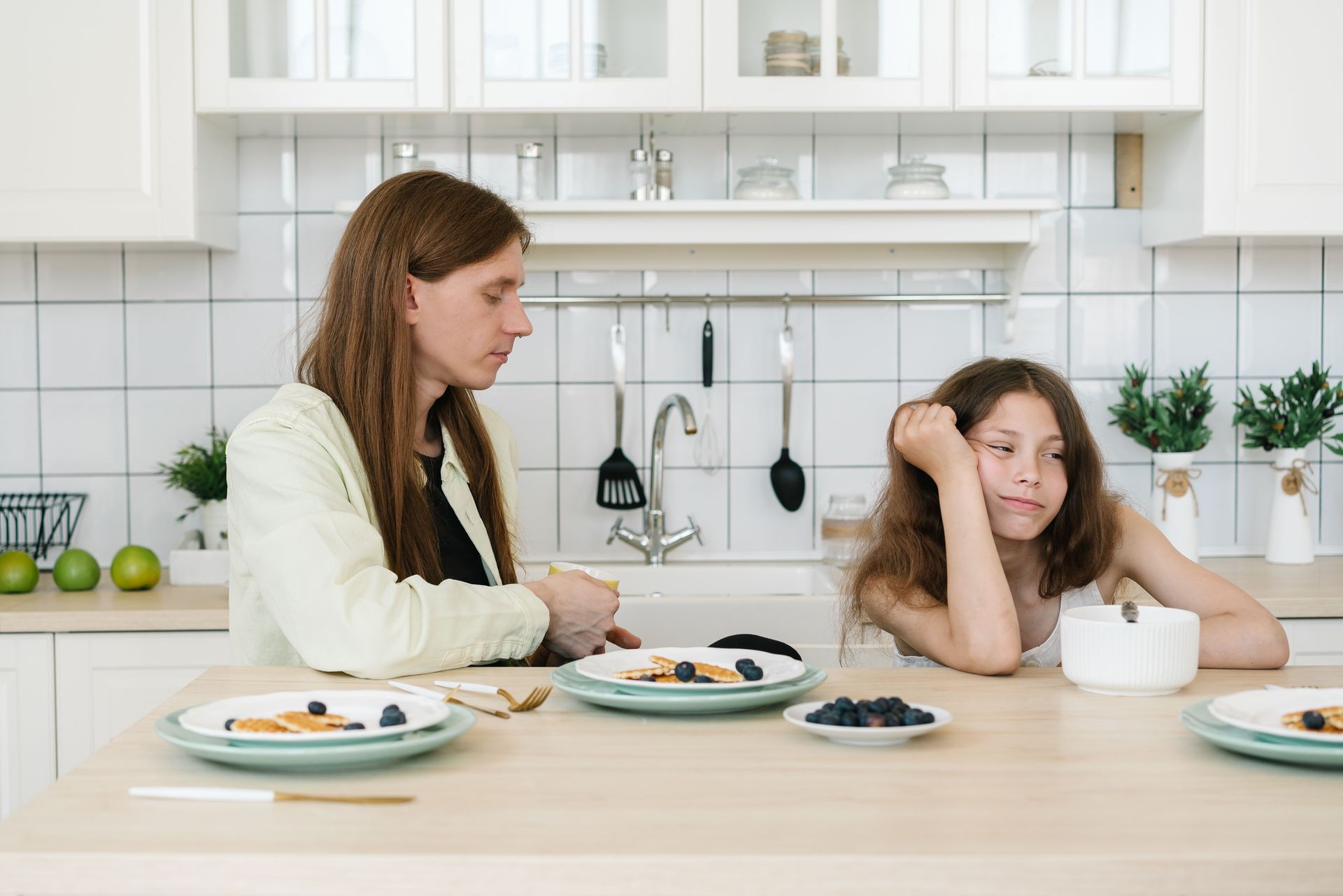
- difficulty sitting for group activities
- frustration during writing or coloring tasks
- trouble following multi-step directions
- limited attention span
- difficulty separating from caregivers
- challenges interacting with peers
- sensitivity to noise, movement, or transitions
- trouble using scissors, pencils, or utensils
- avoidance of early literacy activities
These challenges are often connected to underlying developmental skills that can be improved through targeted, play-based support.
The Skills That Support Classroom Success
Communication Skills
Children need communication skills to:
- express wants and needs
- answer questions
- participate in classroom discussions
- follow directions
- interact with peers
Strong communication foundations support both academic learning and social confidence.
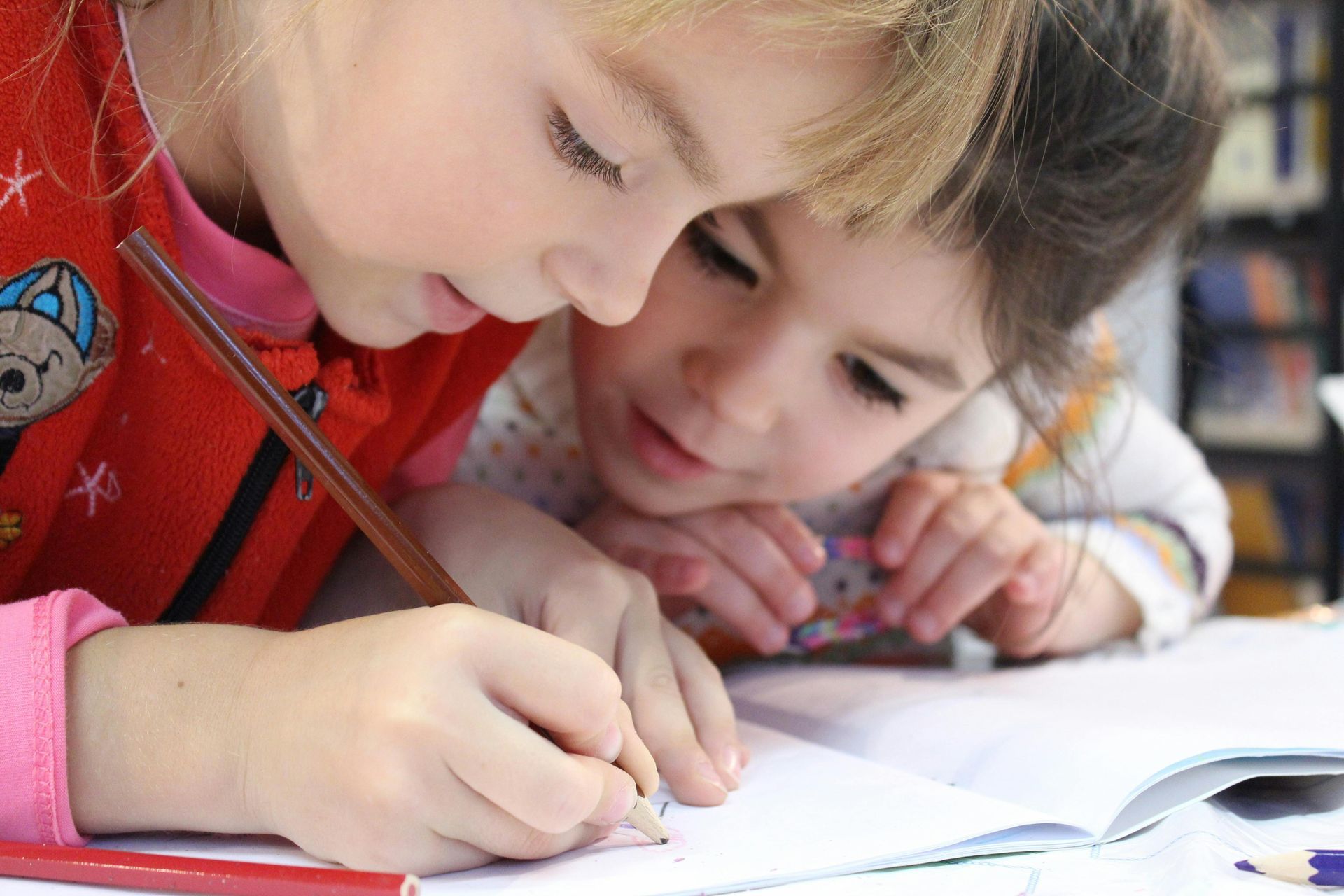
Fine Motor Skills
Fine motor development affects many daily school tasks, including:
- handwriting
- cutting with scissors
- coloring
- manipulating classroom materials
- opening lunch containers
Weak hand strength or poor coordination can make classroom participation more tiring and frustrating for children.
Attention and Regulation
The classroom requires children to manage:
- transitions
- waiting
- listening
- group participation
- sensory input
- structured routines
Children who struggle with attention,
sensory regulation, or
emotional flexibility may have difficulty adapting to classroom expectations.
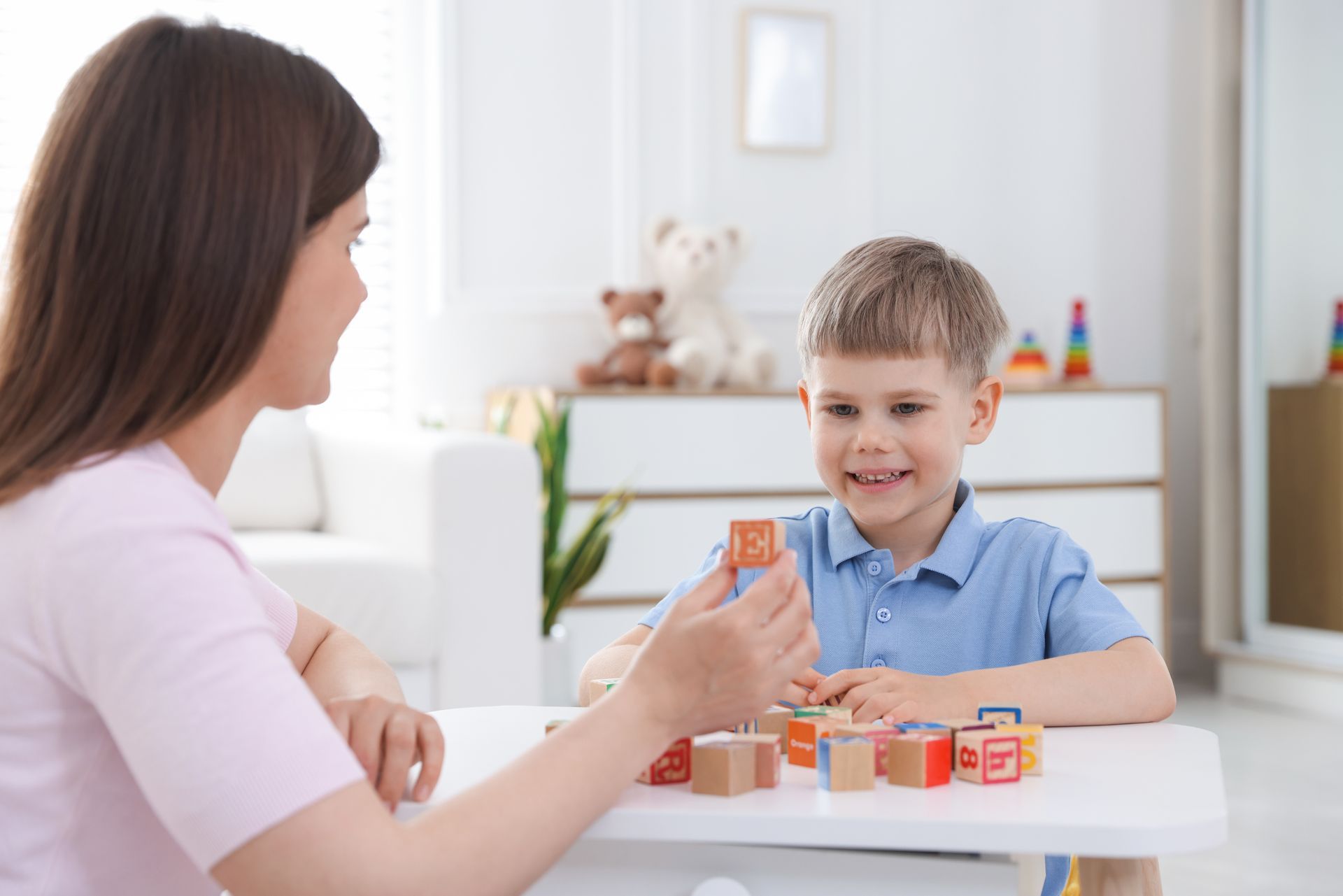
Early Literacy Skills
School readiness also includes foundational literacy abilities such as:
- letter recognition
- sound awareness
- listening comprehension
- early phonics skills
- story understanding
These foundational skills help support later reading success.
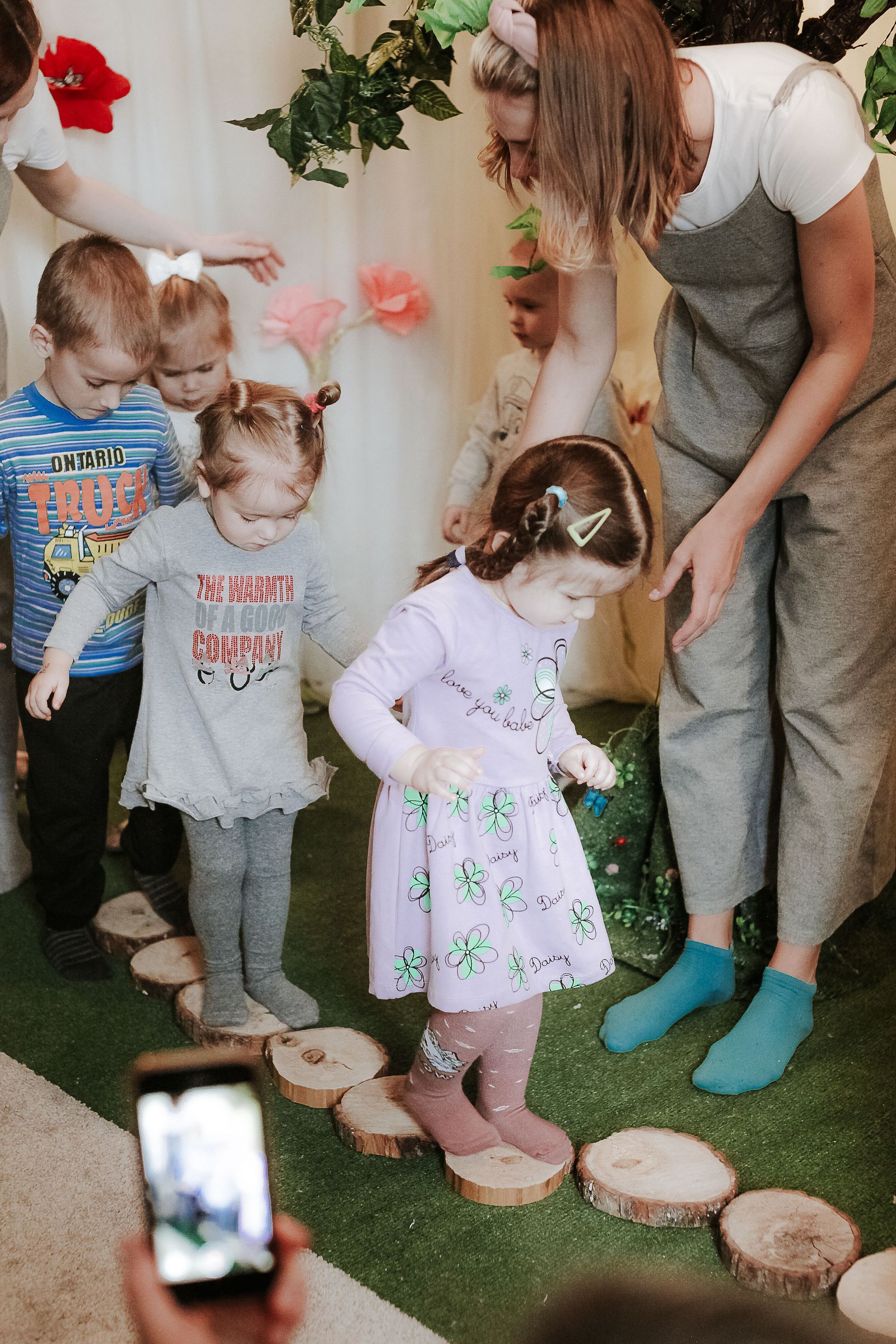
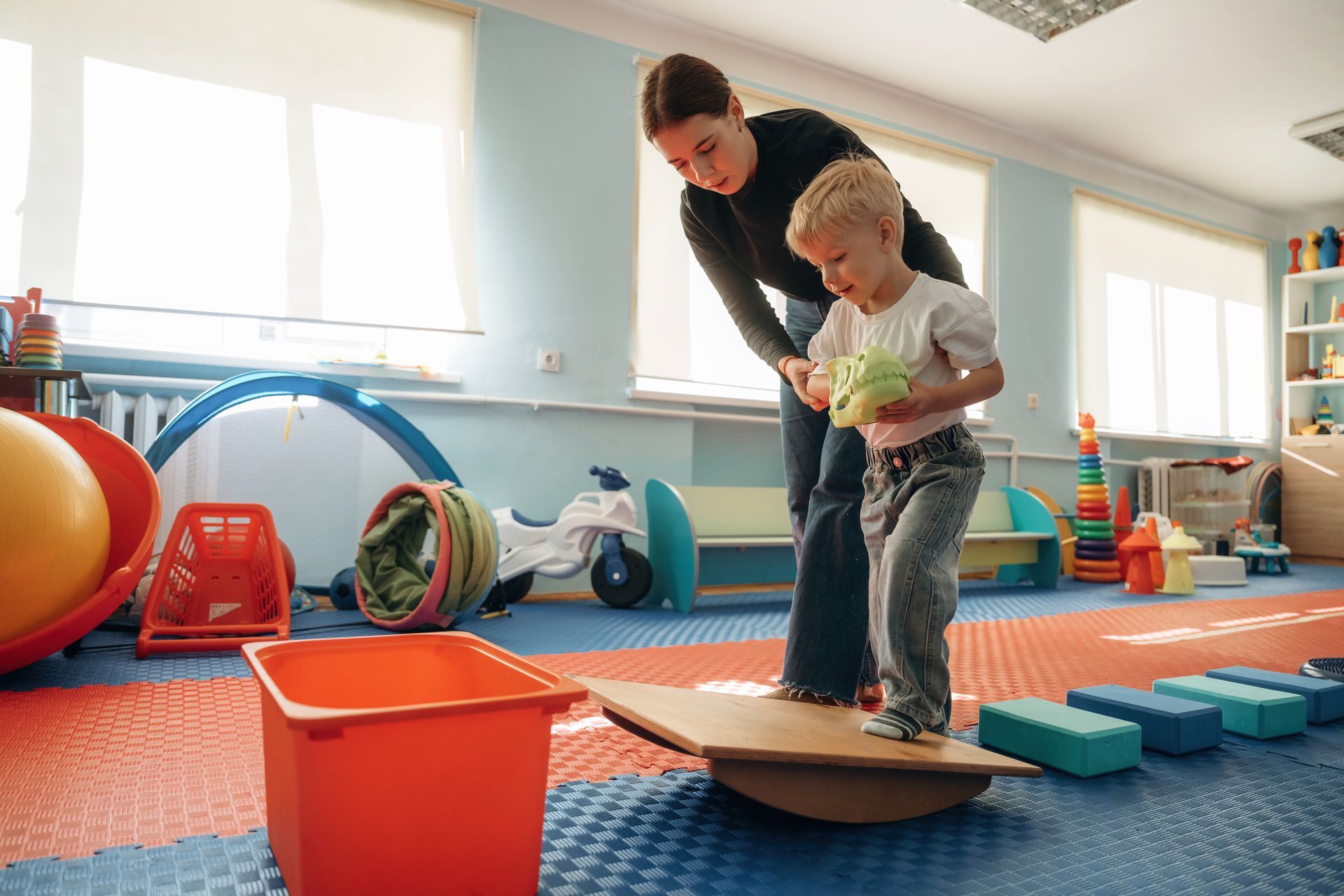
Supporting School Readiness Through Movement and Multisensory Learning
Many children benefit from learning experiences that actively engage both the body and brain.
Movement-based and
multisensory activities can help strengthen:
- attention and focus
- memory and retention
- motor planning
- visual-motor integration
- coordination
- literacy development
These approaches are especially helpful for children who learn best through hands-on experiences.
How Parents Can Support School Readiness at Home
Simple everyday activities can help strengthen foundational skills before school begins.
Some ideas include:
- reading together daily
- practicing simple routines
- encouraging coloring and drawing
- playing turn-taking games
- using play-based fine motor activities
- practicing listening and following directions
- limiting excessive screen time
- encouraging independence with self-care tasks
Consistency and encouragement can make a meaningful difference over time.
Our School Readiness Approach
At Progressive Pediatric Therapy, we believe school readiness should focus on the whole child, not just academics.
Our programs emphasize:
- confidence-building
- communication skills
- fine motor development
- sensory and emotional regulation
- early literacy foundations
- play-based learning experiences
We use evidence-based, child-centered approaches designed to help children feel successful, engaged, and prepared for the classroom environment.
When to Consider Additional Support
Families may consider school readiness support when they want:
- extra confidence before preschool or kindergarten
- help strengthening foundational developmental skills
- support for attention or regulation challenges
- early literacy enrichment
- fine motor and handwriting readiness
- a proactive approach before academic frustrations develop
Early support can help children transition into school with greater confidence and success.
The Progressive Pediatric Therapy Difference
At Progressive Pediatric Therapy, we understand that every child develops differently.
Our team focuses on creating positive, supportive learning experiences that help children strengthen the developmental foundations
needed for school success.
We believe readiness is not about pressure or perfection — it’s about helping children feel capable, confident, and prepared to learn.
Ready to Support Your Child’s School Readiness Skills?
Whether your child is preparing for preschool, kindergarten, or simply needs additional developmental support, we’re here to help.
📍 Serving families throughout Palm Beach County and surrounding communities.
🔗 Learn More About Our Programs:
Wellness Programs