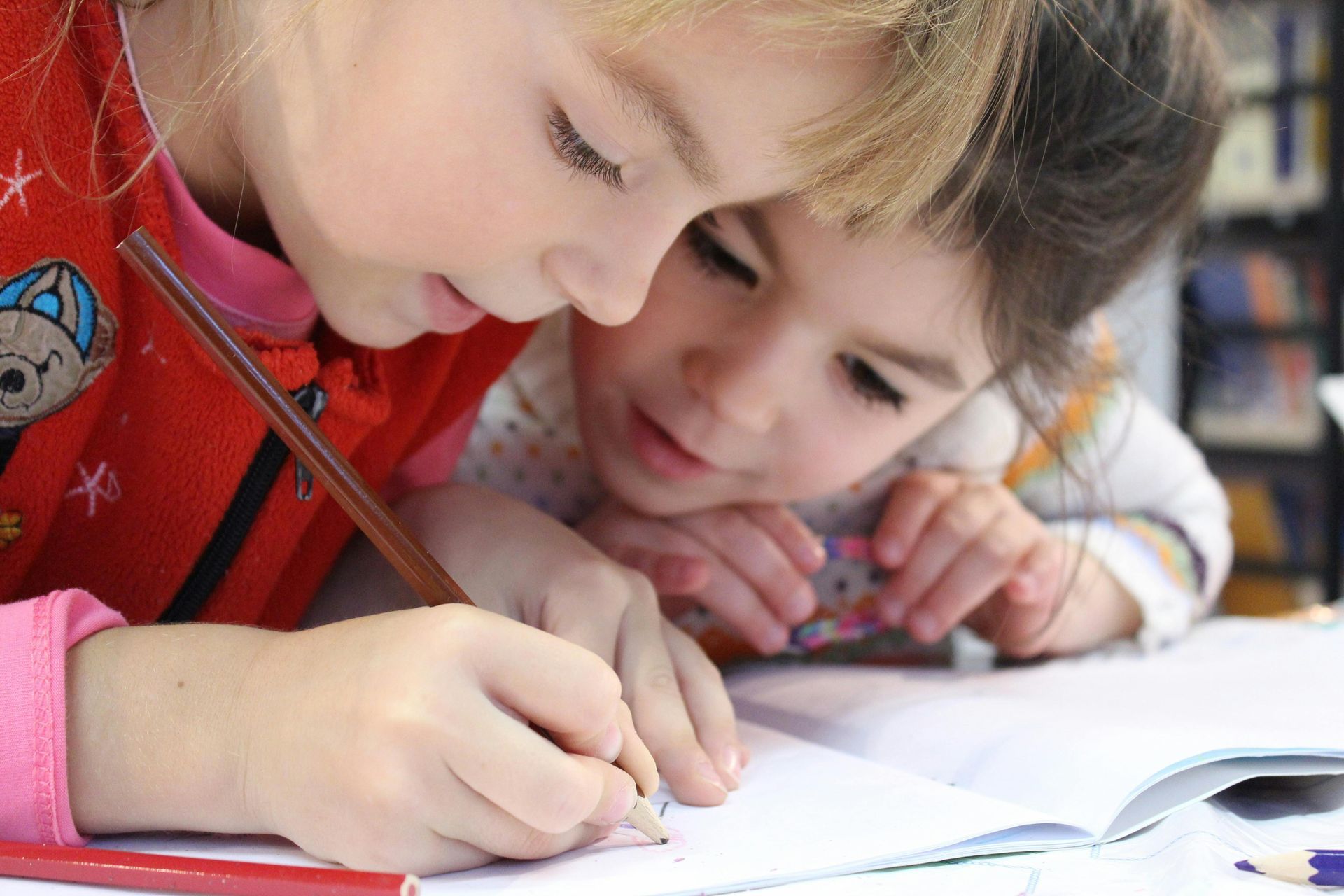
In today’s digital world, children are spending more time typing, tapping, and swiping, and less time writing by hand.
Many parents notice the effects quickly.
“She avoids writing homework.”
“His handwriting is messy and exhausting.”
“She reverses letters and struggles with spacing.”
“He loses focus the moment writing starts.”
While handwriting may seem less important in the age of technology, research continues to show that both print and cursive writing play a powerful role in childhood development.
Handwriting is more than neat letters on a page, it supports fine motor development, reading skills, memory, attention, and overall academic confidence.
At Progressive Pediatric Therapy, our
Print and Cursive Handwriting Programs help children strengthen foundational writing skills through engaging, multisensory, movement-based learning that supports both the body and brain.
Why Handwriting Still Matters
Writing by hand activates brain systems that typing simply does not engage in the same way.
When children form letters by hand, they simultaneously use:
- motor planning
- visual processing
- memory
- coordination
- attention
- language systems
This “whole brain” experience helps strengthen the foundation for reading, spelling, written expression, and learning overall.
Print handwriting is especially important for younger learners because it helps children develop:
- proper letter formation
- spacing awareness
- visual-motor integration
- fine motor coordination
- early literacy skills
Cursive writing builds on those foundational skills by improving writing fluency, rhythm, and efficiency.
The Benefits of Cursive Writing
Cursive is more than just a traditional writing style, it’s a developmental tool that connects movement, memory, and meaning.
When children write in cursive, the continuous flow of movement helps support coordination and cognitive processing in unique ways.
Research-Supported Benefits of Cursive Writing
Motor Development
Cursive strengthens:
- hand muscles
- wrist stability
- posture
- bilateral coordination
The connected movements encourage smoother and more efficient motor patterns.
Sensory and Memory Support
Writing by hand provides tactile and sensory feedback that helps information “stick.”
Many children retain spelling patterns and letter formations better through physical writing practice than typing alone.
Cognitive Growth
Cursive supports:
- sequencing skills
- rhythm and timing
- visual-motor integration
- motor planning
- sustained attention
The flowing movements required in cursive activate multiple brain pathways simultaneously.
Emotional Confidence
As children gain writing fluency, many also experience increased confidence in school participation and written assignments.
For some children, handwriting struggles can create frustration and avoidance. Building success with writing can positively impact overall academic self-esteem.
Academic Benefits
Studies suggest handwriting practice may support:
- reading fluency
- spelling accuracy
- writing speed
- written expression
Strong handwriting skills often allow children to focus less on physically forming letters and more on expressing their ideas.
The Challenge: Less Writing, More Screens
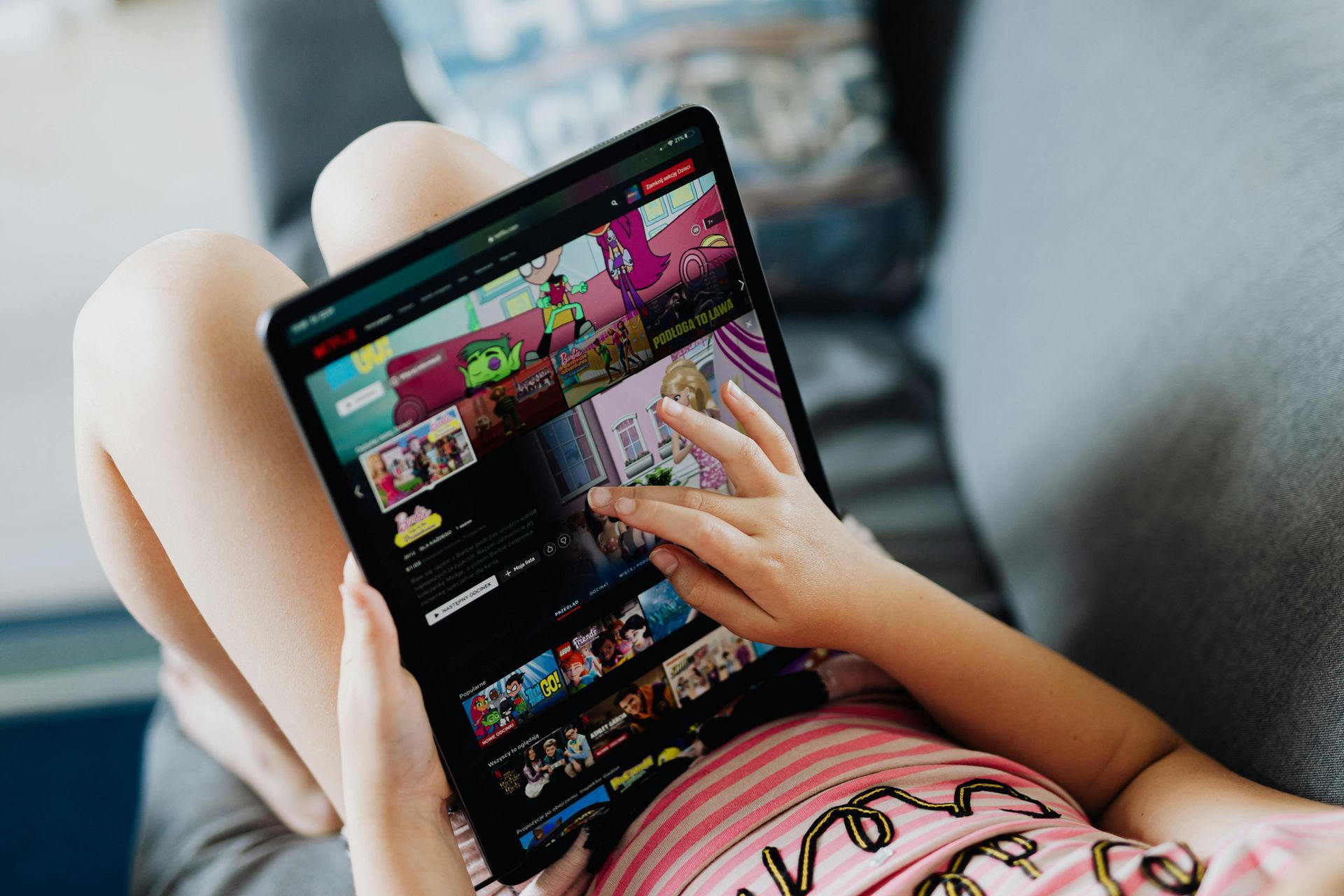
Children today spend far more time on devices than previous generations.
While technology certainly has benefits, decreased handwriting practice can contribute to:
- weaker hand strength
- poor endurance during writing tasks
- inefficient pencil grasp
- reduced attention for paper-based activities
- difficulty with spacing and letter formation
Many families are now seeking proactive, wellness-based handwriting programs to support fine motor development and academic readiness before frustrations become larger challenges.
Signs Your Child May Benefit from Handwriting Support
You may want to consider additional handwriting support if your child:
- writes slowly or tires easily
- avoids writing tasks
- struggles with spacing or letter reversals
- has messy or inconsistent handwriting
- complains that writing hurts their hand
- has difficulty copying from the board or paper
- struggles with attention during written work
- needs extra confidence with school-related tasks
About Our Print & Cursive Handwriting Programs
Our handwriting programs are designed by occupational therapists and focus on building strong developmental foundations in a supportive, engaging environment.
Unlike traditional drill-based handwriting instruction, our programs use multisensory, movement-based learning to help children connect physical control with cognitive growth.
We offer dedicated tracks for both:
Each program is individualized to support children at their current stage of writing development.
What Makes Our Approach Different?
Movement-Based Learning:
Writing is a motor skill.
That’s why each session incorporates activities that support:
- hand strength
- coordination
- posture
- rhythm
- endurance
- visual-motor integration
Children learn best when movement and learning are connected.
Multisensory Instruction:
Our therapists use engaging, multisensory techniques that help children better retain and apply handwriting skills.
This approach is especially beneficial for children who learn best through:
- visual supports
- tactile experiences
- movement-based activities
- hands-on learning
Confidence-Focused Support:
We believe handwriting instruction should feel encouraging, not frustrating.
Our goal is not perfection. It’s helping children build confidence, fluency, and enjoyment with writing.
The Handwriting Wellness Pathway
Families can enroll in our handwriting programs without needing a therapy referral or formal evaluation.
Each session includes:
- review of handwriting skills and readiness
- activities to strengthen coordination and endurance
- guided print or cursive instruction
- support for posture and fine motor control
- parent-friendly ideas for stress-free practice at home
This wellness-based approach provides proactive support while helping children feel successful and motivated.
Why Families Choose Progressive Pediatric Therapy
At Progressive Pediatric Therapy, we believe handwriting is not outdated, it’s developmental. Our programs focus on helping children strengthen the foundational brain and body systems that support learning.
We combine:
- evidence-based strategies
- occupational therapy expertise
- movement-rich instruction
- personalized support
- confidence-building experiences
to create meaningful growth for every child.
Ready to Support More Confident Writing?
Whether your child is learning foundational print skills or developing cursive fluency, we’re here to help make handwriting a positive and successful experience.
📍 Serving children and families throughout Palm Beach County and surrounding communities.
🔗 Learn More About Our
Print & Cursive Handwriting Programs