For many families, learning to ride a bike is one of childhood’s biggest milestones.It represents freedom, confidence, independence, and fun.But for some children, bike riding can also feel frustrating, scary, or overwhelming.
Parents often wonder:
“Why is this so hard for my child?”
“They can’t seem to balance.”
“They’re terrified to take the training wheels off.”
“Do they just need more practice?”
The truth is, riding a bike requires much more than simply pedaling.
Bike riding depends on a combination of motor planning, balance, coordination, core strength, confidence, body awareness, attention, and emotional regulation, all working together at the same time.
At Progressive Pediatric Therapy, we often help families understand the foundational skills underneath bike riding and how to support children in developing those skills in a positive, confidence-building way.
Why Bike Riding Is So Beneficial for Kids
Bike riding is more than just recreation, it supports whole-child development.
Learning to ride a bike can strengthen:
- balance and coordination
- core strength and posture
- bilateral coordination
- motor planning
- endurance
- visual tracking
- confidence and independence
- emotional resilience
It also encourages outdoor play, movement, and participation with peers.
For many children, successfully learning to ride a bike becomes a major confidence-building milestone.
The Underlying Skills Needed for Bike Riding
Many parents are surprised to learn how many developmental systems are involved in riding a bike successfully.
Balance
Balance is one of the biggest foundational skills required for bike riding.
Children must learn how to stabilize their body while the bike is moving especially side-to-side balance control.
Without strong balance foundations, pedaling can feel overwhelming.
Core Strength and Postural Control
Bike riding requires children to maintain upright posture while coordinating movement at the same time.
Core muscles, especially the lateral “side body” muscles, play a major role in helping children stabilize themselves while riding.
Coordination and Motor Planning
Bike riding involves coordinating multiple actions simultaneously:
- steering
- pedaling
- balancing
- braking
- shifting body weight
- watching the environment
Some children may understand what to do cognitively but struggle with coordinating the movement sequence physically.
Body Awareness
Children need awareness of where their body is in space to safely control a bike.
Difficulties with body awareness can make steering, balancing, or maneuvering around obstacles more challenging.
Confidence and Emotional Regulation
Learning to ride a bike can feel emotionally overwhelming for some children.
Fear of falling, previous unsuccessful experiences, or frustration can increase anxiety and make learning more difficult.
Building confidence gradually is often one of the most important parts of the process.
Signs Your Child May Need Extra Support with Bike Riding
Some signs a child may benefit from additional support include:
- fearfulness around biking
- difficulty balancing
- frequent falls
- trouble coordinating pedaling and steering
- poor endurance
- frustration or avoidance
- difficulty learning despite repeated practice
- sensory sensitivities (including helmet tolerance)
These challenges do not mean a child “can’t” learn to ride a bike. It simply means they may need a different approach and stronger foundational support.
Yes — Even Helmet Tolerance Matters
For some children, wearing a helmet can be a challenge all on its own.
Children with sensory sensitivities may struggle with:
- pressure on the head
- straps under the chin
- heat or tightness
- discomfort with new sensations
Gradual exposure, proper helmet fit, and positive experiences can help children become more comfortable and confident with helmet use.
How Pediatric Therapists Can Help Prepare Children for Bike Riding
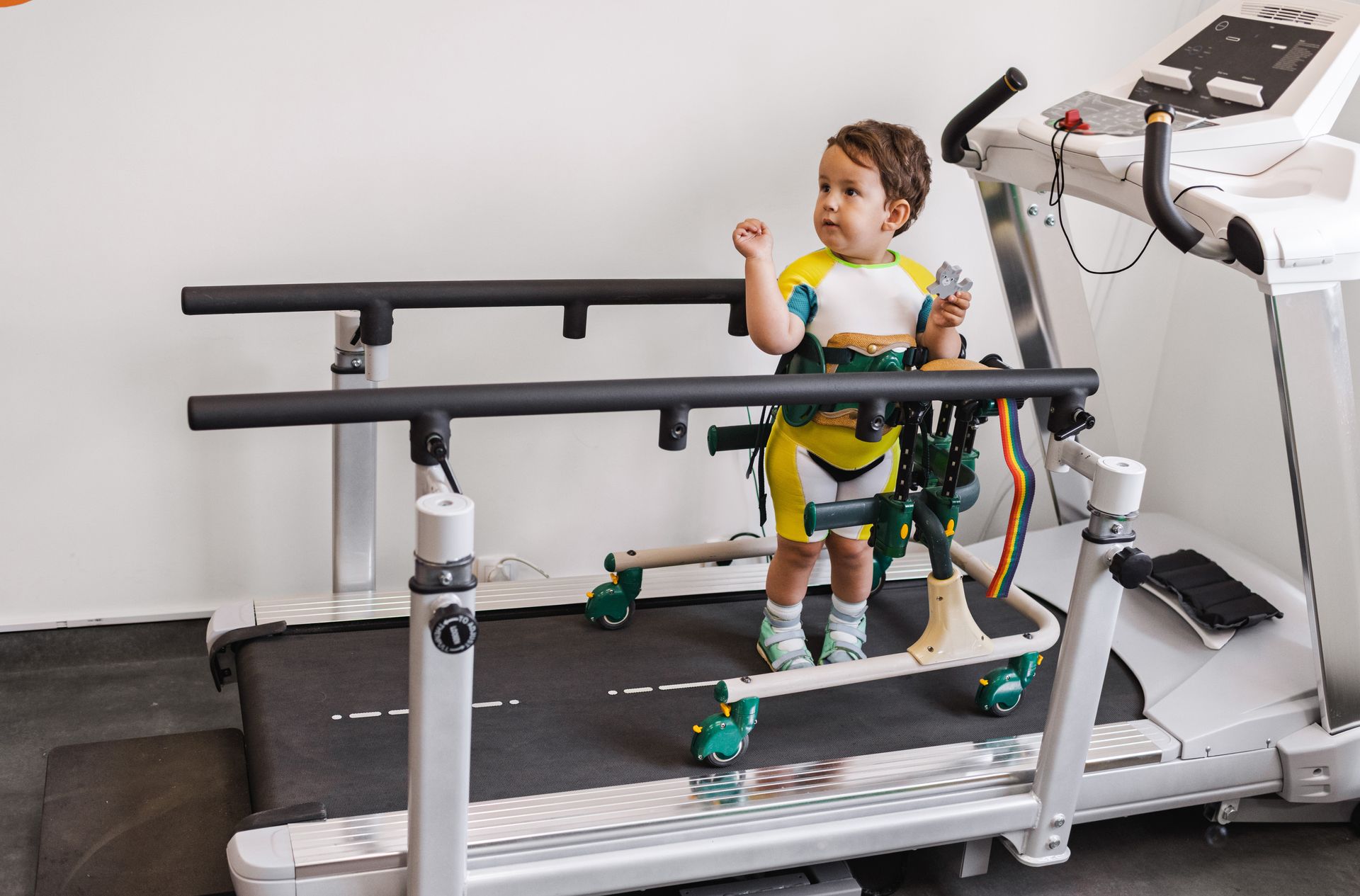
Occupational and physical therapists often work on many of the foundational skills needed for bike riding long before a child gets on a bike.
Therapy activities may target:
- core strength
- balance reactions
- coordination
- motor planning
- body awareness
- endurance
- sensory regulation
- confidence-building
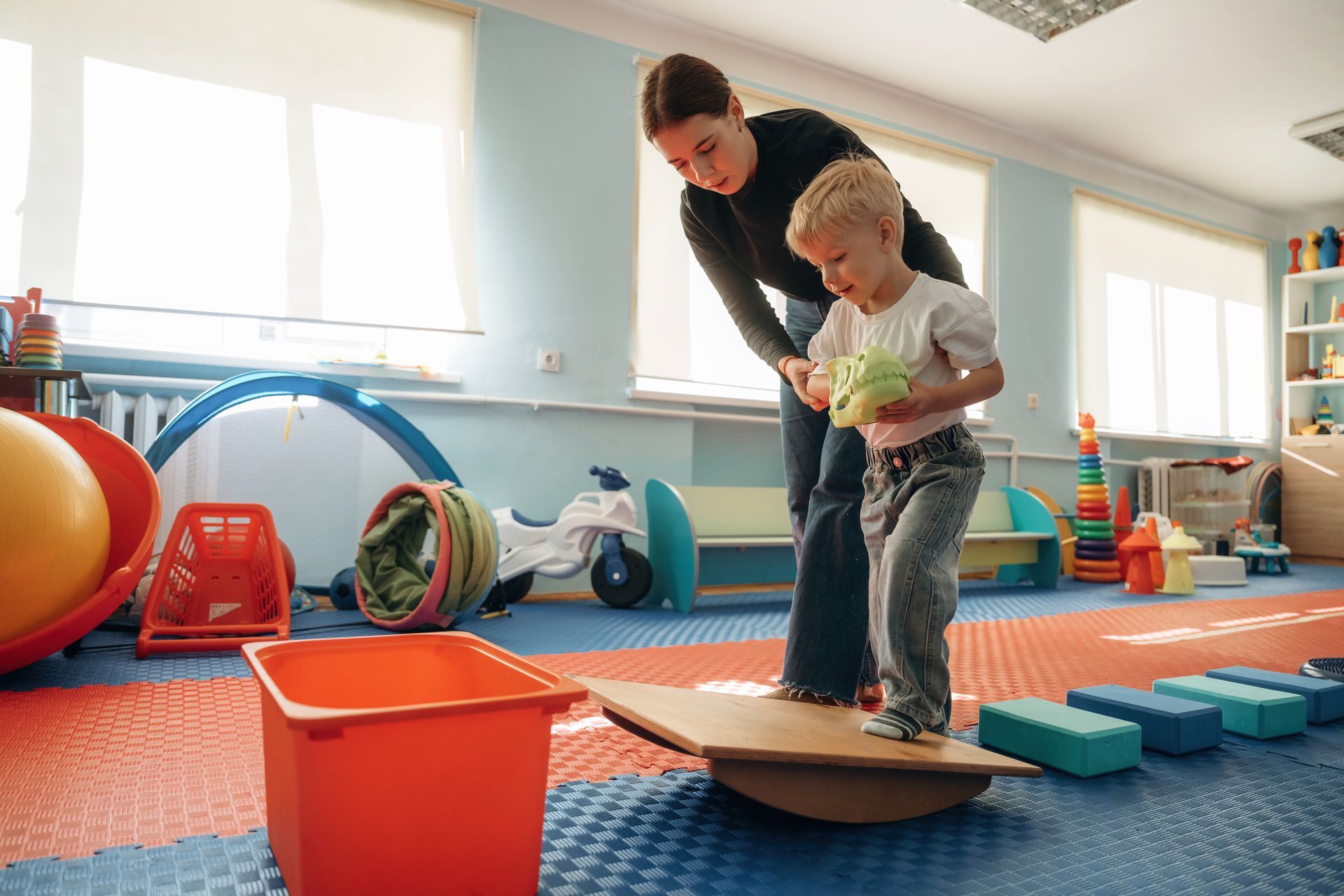
Even playground activities can help support bike riding readiness.
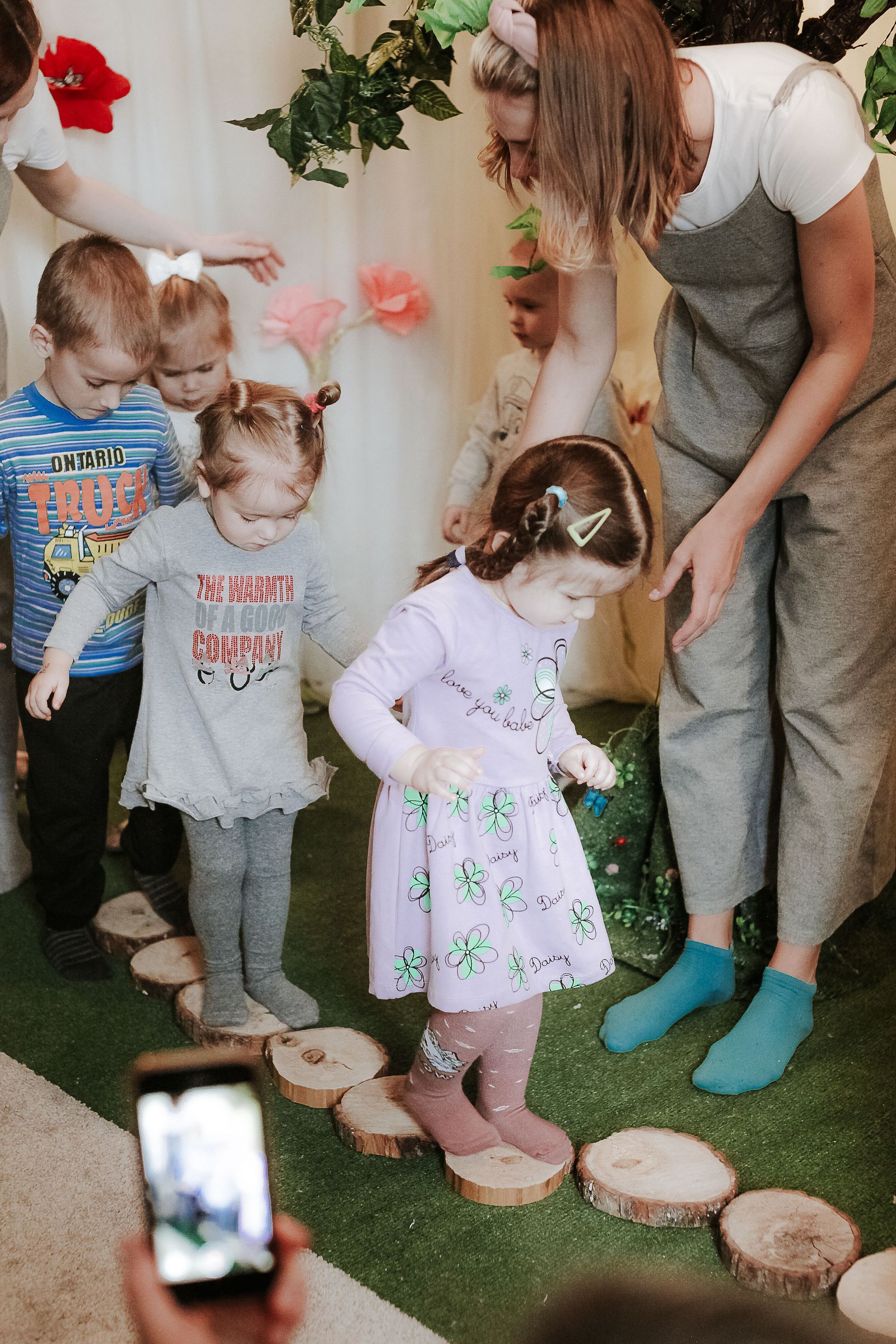
Climbing, scooter boards, obstacle courses, swings, and balance activities all strengthen important developmental foundations that support riding success.
The Best Way to Start: Skip the Training Wheels
One of the biggest recommendations many pediatric therapists and bike instructors now make is: Skip the training wheels.
Instead, start with a
balance bike.
A balance bike helps children learn the most important skill first: balance.
What Is a Balance Bike?
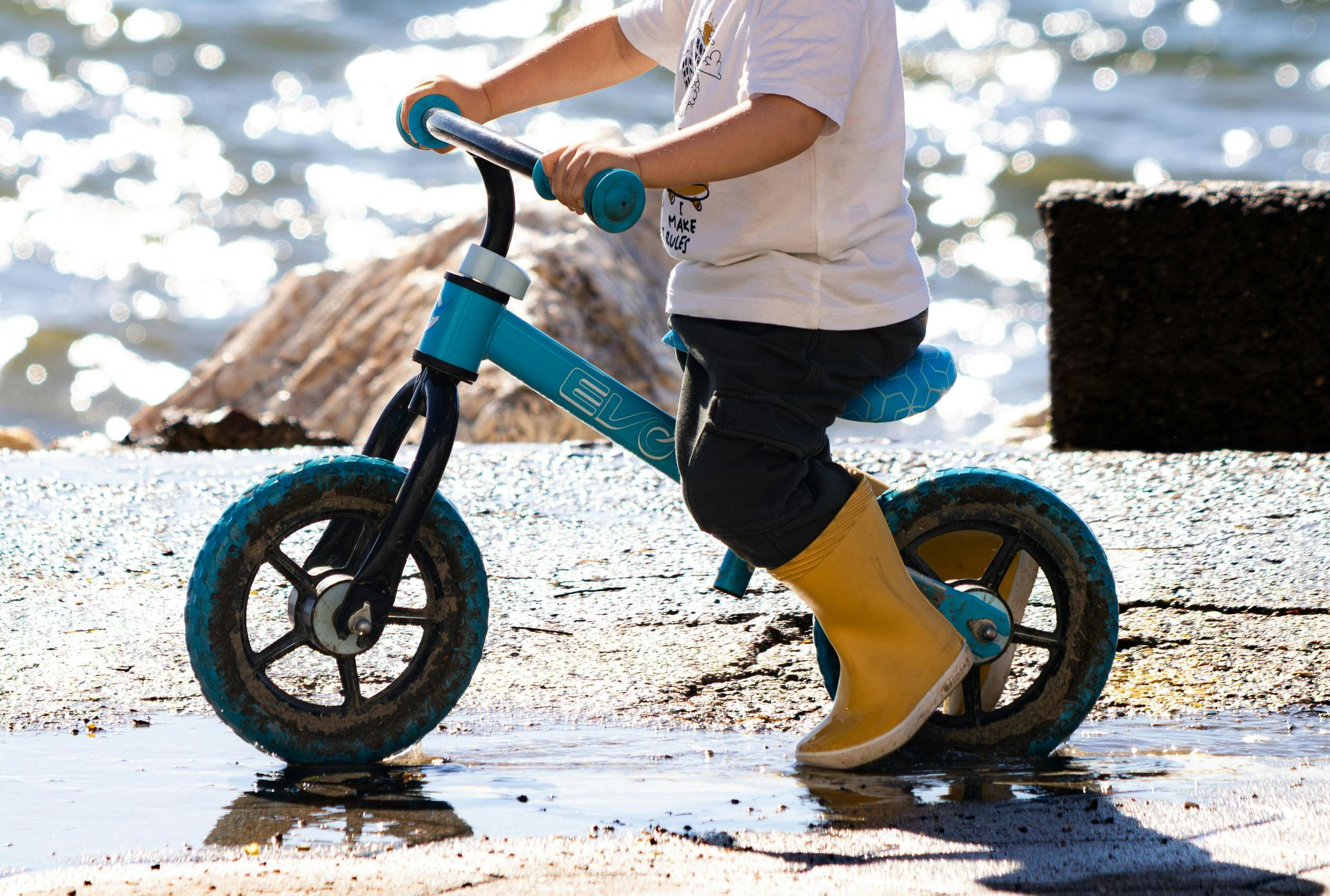
A balance bike is simply a bike without pedals.
Children use their feet to push themselves forward while learning how to balance naturally.
The goal is for children to gradually begin lifting their feet and coasting comfortably before pedals are introduced.
You Can Turn Almost Any Bike Into a Balance Bike
You do not necessarily need to buy a separate balance bike.
Many families can simply:
- remove the pedals
- lower the seat as low as possible
- allow the child’s feet to rest flat on the ground with slight knee bend
This setup helps children feel safer and more confident while learning balance first.
Why Training Wheels Can Make Learning Harder
Training wheels often prevent children from fully learning how to balance independently.
While children may learn to pedal with training wheels, their body is not truly practicing the side-to-side balance control needed for
riding a two-wheel bike.
When training wheels are removed later, many children feel like they are learning from the beginning again.
Building Confidence First Changes Everything
One of the most important parts of bike riding success is creating positive experiences.
Children learn best when they feel:
- safe
- successful
- supported
- encouraged
Breaking bike riding into smaller achievable steps often leads to much greater confidence and faster progress than simply “pushing through” fear or frustration.
Learning Through the One Two Pedal Method
We recently explored this topic on the
Beyond the Caseload Wellness Series Podcast with occupational therapist Tammy Bishop, creator of the
One Two Pedal Method, a step-by-step approach to teaching bike riding through balance, confidence, and activity analysis.
Tammy explains how breaking bike riding into manageable developmental steps can completely change the learning experience for children and families.
The method focuses on:
- balance before pedaling
- confidence-building
- gradual skill progression
- reducing fear and frustration
- adapting to each child’s needs
LISTEN HERE:
https://linktr.ee/progressivepedtherapy
Looking for Bike Riding Support?
The Progressive Pediatric Therapy Difference
At Progressive Pediatric Therapy, we believe developmental milestones should feel encouraging, not stressful.
Whether a child needs support with balance, coordination, confidence, sensory regulation, or motor planning, our therapists focus on building foundational skills in ways that are engaging, supportive, and individualized.
Because sometimes learning to ride a bike is about much more than the bike itself.