Every child experiences big emotions as they grow. Meltdowns, worries, sensory sensitivities, and difficulty with transitions are all part of learning how to navigate the world.
For many parents, however, it can be hard to know what’s typical and when extra support might help.
At Progressive Pediatric Therapy, our
Social-Emotional Wellness Visit helps families better understand their child’s emotional development and provides practical strategies to support regulation, confidence, and calmer daily routines.
Why Social-Emotional Development Matters
Social-emotional skills help children understand their feelings, connect with others, and respond to challenges in healthy ways.
Strong emotional foundations support:
- Emotional Regulation – Learning how to calm the body and manage strong feelings.
- Social Relationships – Building friendships, sharing, and cooperating with others.
- Confidence and Independence – Feeling capable when facing new situations or challenges.
- Communication Skills – Expressing needs, feelings, and ideas clearly.
- Adaptability – Handling changes in routines, environments, and expectations.
Like motor skills or language development, emotional regulation develops gradually over time.
The Challenge Many Parents Are Facing
Many parents reach out because they notice situations like:
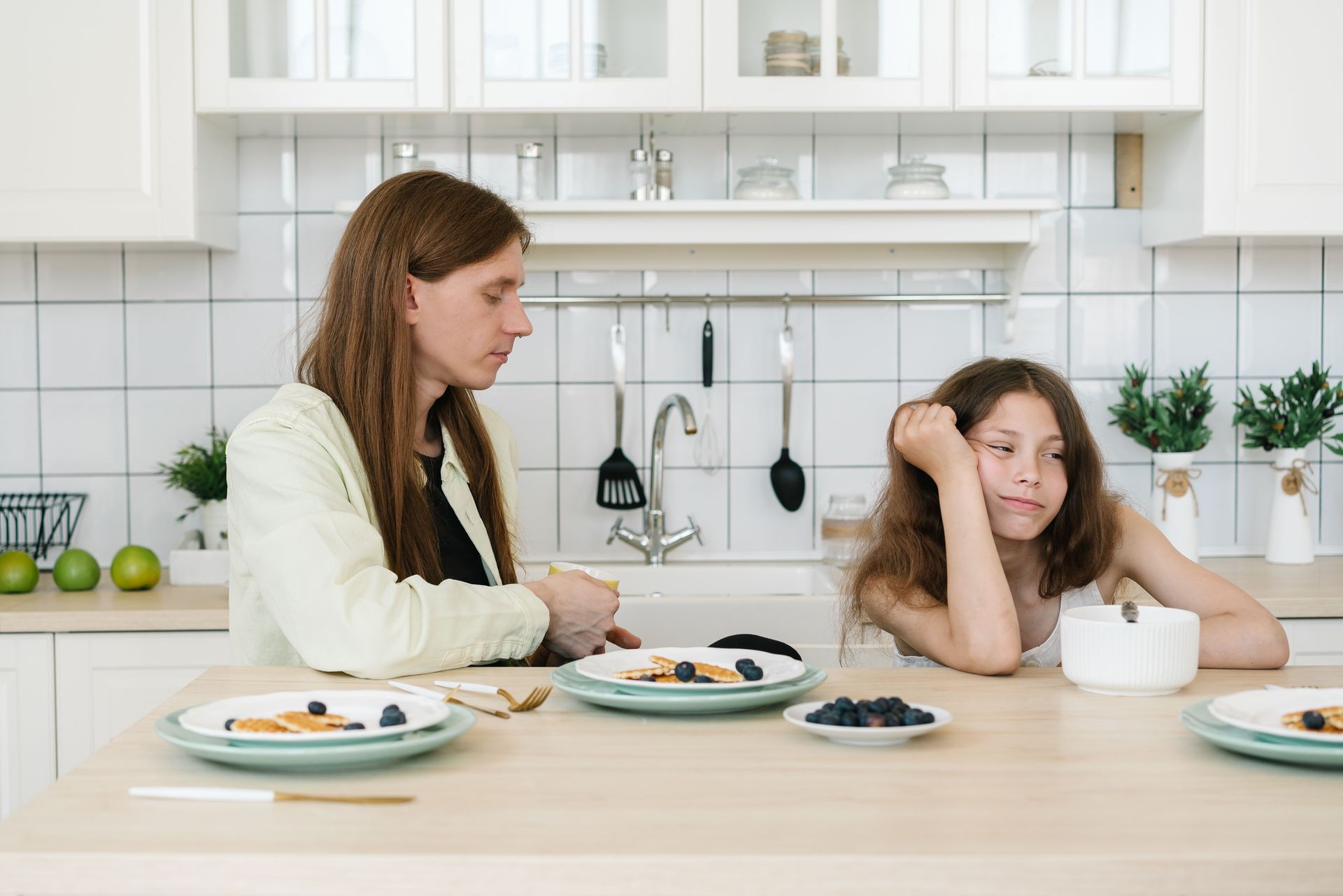
“He gets overwhelmed by noises, crowds, or transitions.”
These experiences are extremely common in childhood.
Young children are still learning how to regulate their emotions, process sensory input, and handle changes in routine. What may look like challenging behavior is often a sign that a child needs
support, structure, and guidance.
A Social-Emotional Wellness Visit helps parents understand these patterns and learn ways to support their child’s emotional growth.
Understanding Social-Emotional Development
Big feelings are a normal part of childhood.
Children gradually develop regulation skills through experience, support from caregivers, and predictable routines.
It’s developmentally typical for children to:
- Resist transitions between activities
- Become overwhelmed by sensory input such as noise or busy environments
- Struggle with sharing or taking turns
- Feel nervous about new situations
- Have meltdowns when tired or overstimulated
- Prefer predictable routines
- Become more “clingy” during life changes such as a move or a new sibling
Most of these behaviors reflect
developing regulation skills, not a behavioral disorder.
When Emotional Challenges Are Developmental vs. When Support May Be Needed
Many families benefit from guidance and strategies that help children build emotional regulation skills. In some cases, further evaluation may be helpful.
Typical Emotional Development (Wellness Visit)
Common patterns include:
Big Emotions
Meltdowns when tired, hungry, or overstimulated.
Sensory Sensitivities
Discomfort with loud noises, certain textures, or crowded places.
Worry or Hesitation
Feeling nervous around new people, environments, or routines.
Transition Struggles
Difficulty shifting between activities or schedules.
Occasional Aggression (Ages 1–3)
Hitting or biting during moments of dysregulation.
Emotional “Clinginess”
Seeking extra reassurance during changes or new experiences.
Sleep Challenges
Difficulty settling down or winding down at bedtime.
These patterns often improve with
structure, co-regulation, and supportive routines.
When a Child May Need Further Evaluation
A wellness visit can also help identify when a therapy evaluation may be helpful.
Some signs include:
- Persistent meltdowns lasting longer than 20 minutes
- Frequent emotional outbursts throughout the day
- Safety concerns such as running away, hurting others, or self-injury
- Extreme reactions to sensory input
- Delays in communication affecting behavior
- Rigid routines that significantly disrupt daily life
- Social withdrawal or limited emotional connection
- Loss of previously learned skills
A wellness visit provides
clarity and guidance, helping families understand whether additional support may be beneficial.
How a Social-Emotional Wellness Visit Helps
During this visit, our pediatric therapists work with families to better understand emotional, sensory, and behavioral patterns.
Parents receive guidance on:
- Identifying what behaviors are
developmentally typical
- Recognizing patterns that may need closer attention
- Learning
co-regulation tools that calm the nervous system
- Creating predictable routines that reduce meltdowns
- Supporting smoother transitions for bedtime, school, and daily activities
- Using sensory strategies that help children feel calmer
- Learning simple scripts to talk with children about emotions
Families leave the visit with
clear next steps and personalized strategies they can begin using immediately.
Our Approach at Progressive Pediatric Therapy
At Progressive Pediatric Therapy, we believe emotional development grows through
connection, understanding, and supportive routines.
Instead of focusing on correcting behavior, we help families understand the
underlying needs behind big emotions.
When parents feel confident in how to respond to their child’s feelings, children are more likely to develop the skills they need to regulate, connect, and thrive.
When to Consider a Social-Emotional Wellness Visit
Families often benefit from a wellness visit when:
- Big emotions are impacting daily routines
- A child becomes easily overwhelmed by noise, textures, or transitions
- Bedtime, mornings, or separations feel consistently stressful
- A child worries frequently or avoids new experiences
- Parents want strategies to support emotional regulation at home
- Families want expert guidance
without needing a diagnosis or therapy referral
These visits provide proactive support and reassurance for many families.
Ready to Build Emotional Confidence and Calm?
If your child struggles with big feelings, sensory overwhelm, or difficult transitions, a
Social-Emotional Wellness Visit can help you better understand their needs and build supportive strategies at home.
Getting started is simple:
- Fill out the intake form
- Our team pairs your family with a therapist specializing in social-emotional development
- We contact you to schedule your Social-Emotional Wellness Visit
Small changes in how families approach emotions and routines can lead to
greater calm, confidence, and connection.
Ready to get started?
Call us at
561-376-2573 to schedule your Social-Emotional Wellness Visit today.