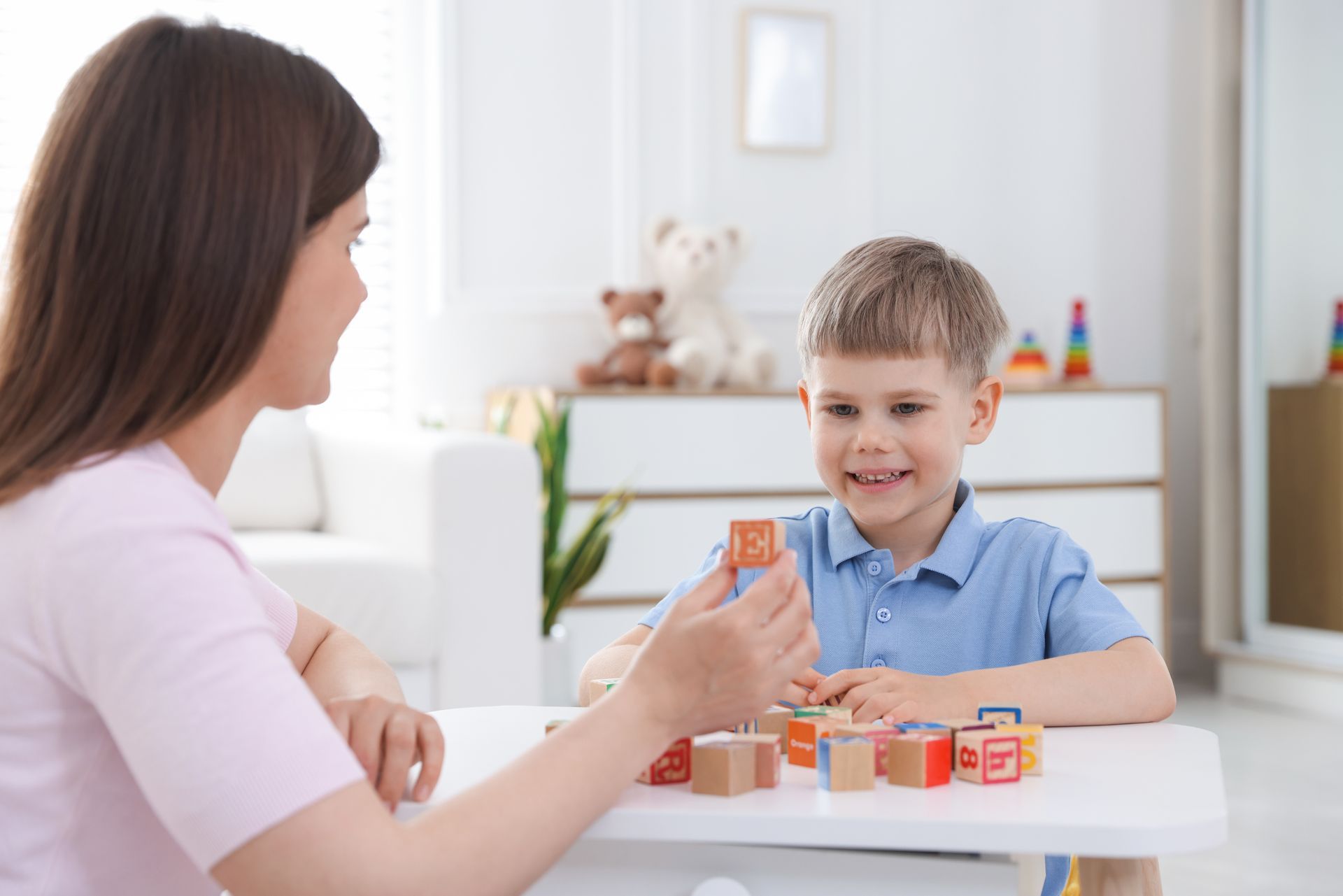
In today’s tech-filled world, many parents notice the same pattern at home: when there’s a quiet moment, children often reach for a screen. While technology can be helpful in moderation, play remains one of the most important ways children grow, connect, and learn about the world.
At Progressive Pediatric Therapy, our
Play Development Wellness Visit helps families understand how play develops and provides simple, practical strategies to encourage creativity, independence, and connection—without the daily battles over screen time.
Why Play Matters for Child Development
Play is not “just fun.” It is one of the primary ways children develop critical life skills.
Through play, children naturally build:
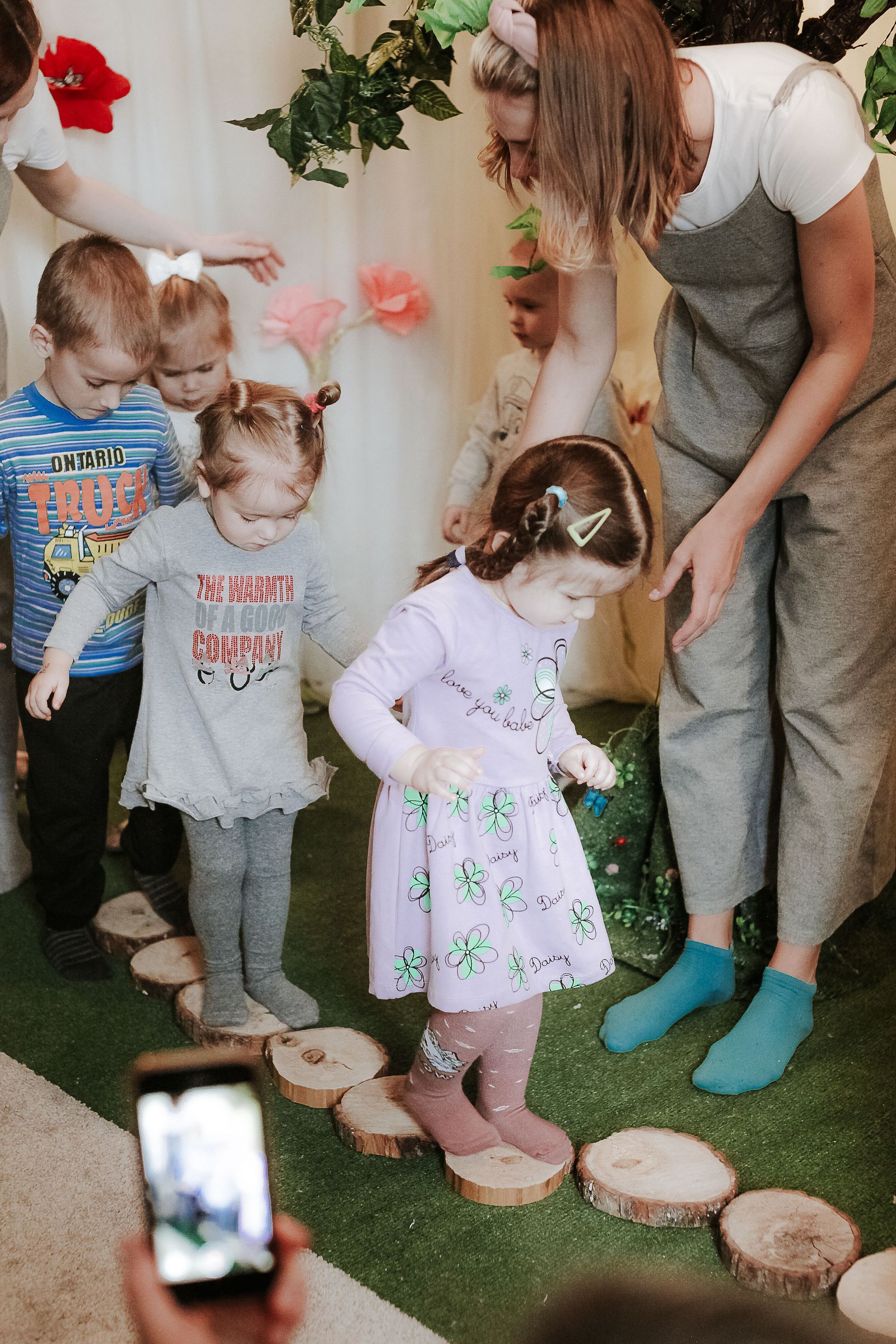
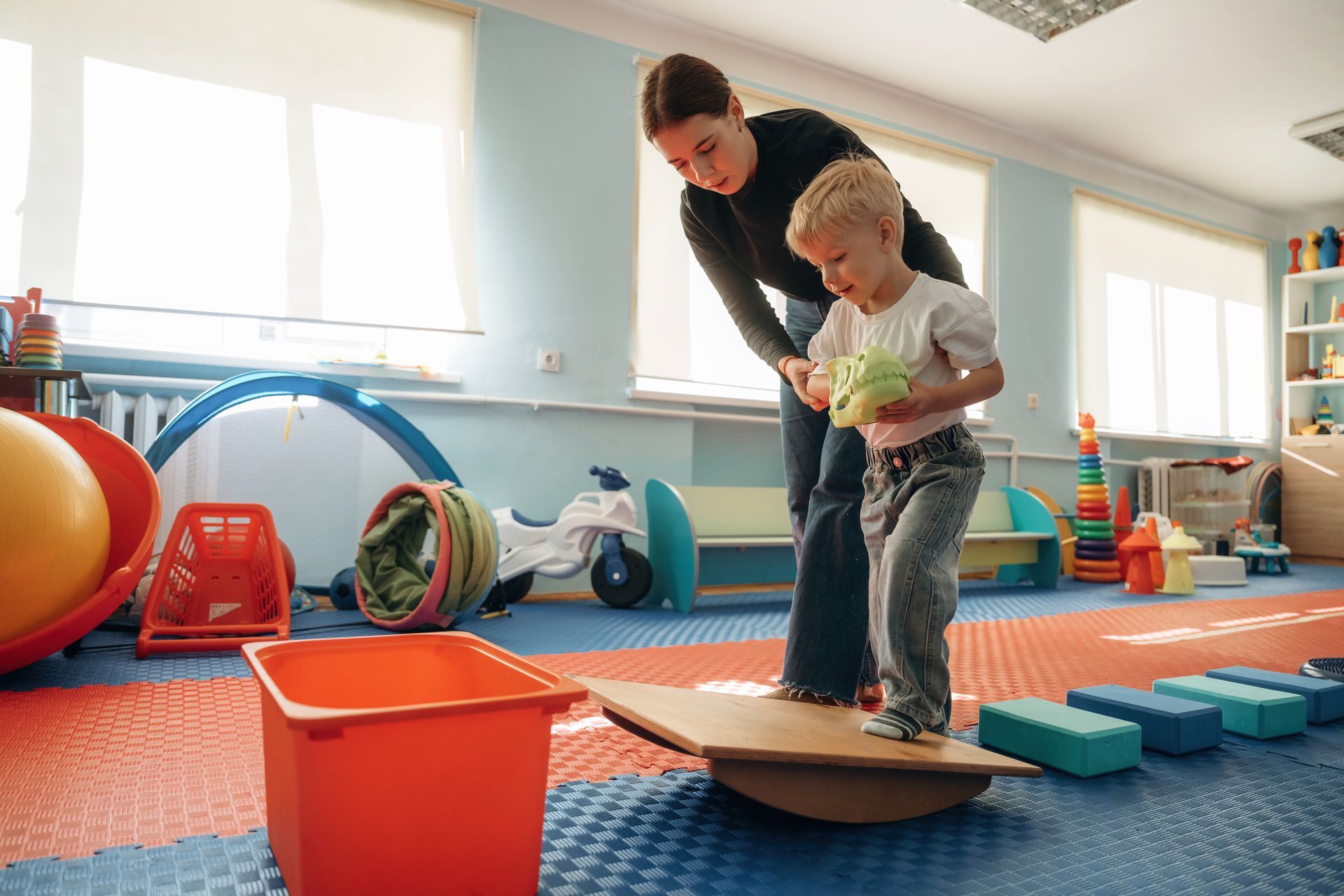
- Motor Skills – Climbing, stacking, drawing, and building strengthen coordination and body awareness.
- Social Confidence – Playing with others helps children learn sharing, cooperation, and communication.
- Creativity and Imagination – Pretend play supports storytelling, flexible thinking, and problem-solving.
- Emotional Regulation – Play helps children process feelings, practice patience, and manage frustration.
- Attention and Focus – Hands-on play builds the ability to concentrate and complete tasks.
- Self-Esteem – Mastering new play skills helps children feel capable and confident.
When play opportunities decrease and screen time increases, many of these developmental experiences can be limited.
The Challenge Many Parents Are Facing
If you’ve ever heard yourself say:
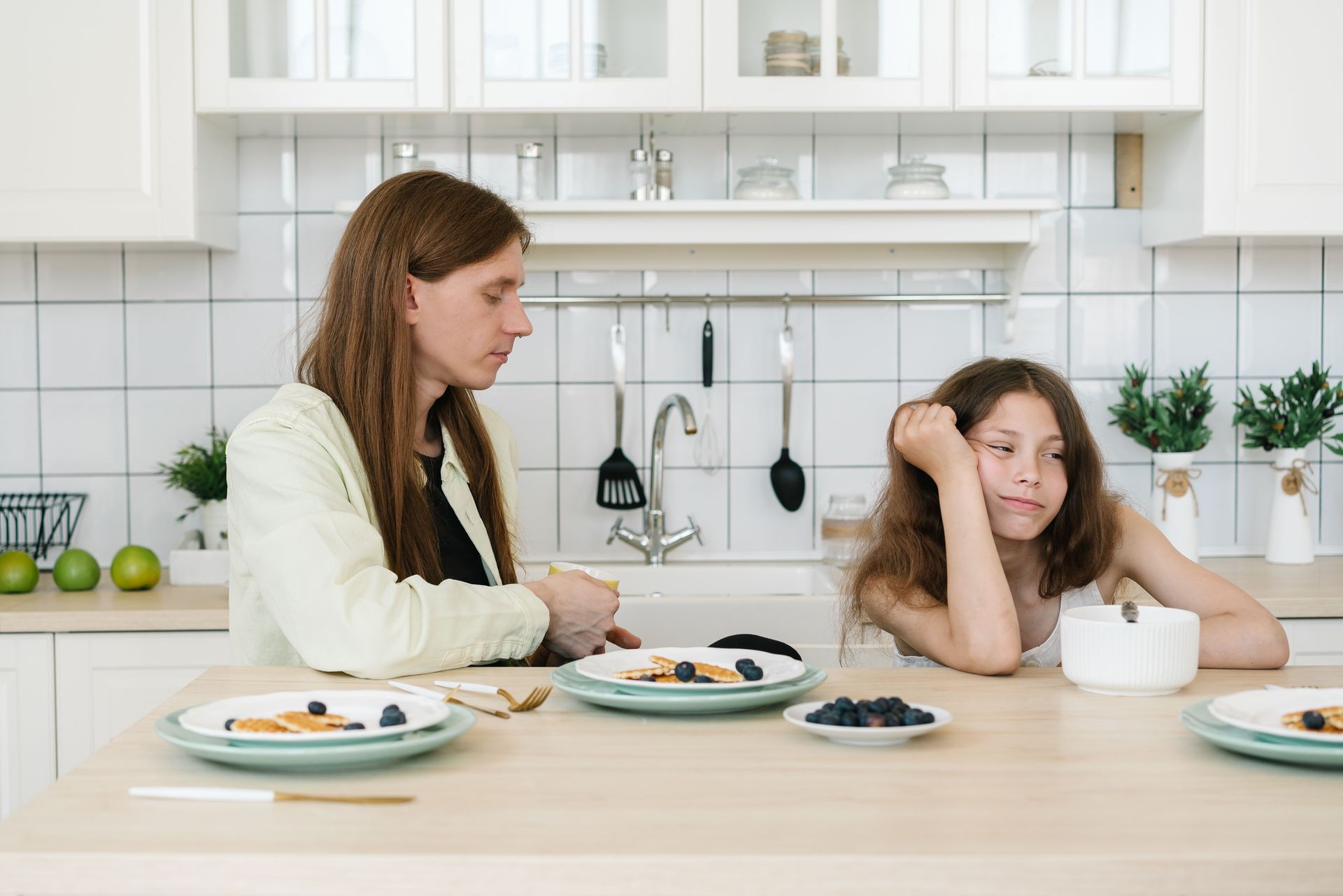
“She only wants the iPad.”
You’re not alone.
Busy schedules, digital entertainment, and fewer opportunities for free play can make it difficult for families to create balanced routines that support healthy development.
Many parents want their children to enjoy imaginative, active play—but aren’t sure where to start or how to encourage it without resistance.
That’s where professional guidance can help.
What Is a Play Development Wellness Visit?
A
Play Development Wellness Visit is designed to help parents better understand their child’s play skills and developmental stage.
During the visit, our licensed therapists guide families through:
- Understanding your child’s
current stage of play development
- Identifying play activities that match your child’s
interests and strengths
- Learning how play supports
attention, language, motor coordination, and emotional regulation
- Finding ways to
balance screen time with meaningful sensory and movement experiences
- Creating
simple family play routines that feel natural and enjoyable
Families leave the visit with
clear next steps and practical play-based strategies they can use right away at home.
Understanding the Stages of Play Development
Play skills grow and change as children develop.
Understanding your child’s stage can make it easier to support their growth without pressure or comparison.
Infancy
Babies explore through touch, movement, and cause-and-effect toys.
Toddlers
Children begin building, imitating adults, and experimenting with simple pretend play.
Preschoolers
Imaginative storytelling and role-playing become central parts of play.
Early School Age
Children develop cooperative play skills, learning rules, teamwork, and shared goals.
Supporting your child at their current stage helps play feel natural and successful.
Signs Your Child May Benefit from Play Support
Some children need extra guidance to build confidence and engagement in play.
A Play Development Wellness Visit may help if your child:
- Prefers screens over hands-on play
- Struggles with
independent play
- Finds
playing with peers overwhelming or confusing
- Has difficulty
sharing, taking turns, or cooperating
- Becomes easily frustrated during play activities
- Needs help developing
creative or imaginative play skills
Early support can make play more enjoyable and less stressful for both children and parents.
How We Help Families Build Healthy Play Routines
Our therapists work with families to create
realistic, enjoyable play routines that fit into everyday life.
We focus on:
- Blending
active play and screen time in balanced ways
- Encouraging
independent exploration and creativity
- Supporting
peer interaction and cooperation
- Making family playtime feel
fun rather than forced
- Building connection through everyday moments like
meals, bath time, walks, and bedtime routines
These small shifts often create meaningful changes in how children play, learn, and connect.
Our Approach at Progressive Pediatric Therapy
At Progressive Pediatric Therapy, we believe in
connection over correction.
When parents understand the
why behind play development, they can create everyday moments that nurture learning, confidence, and family connection.
Our goal is to give parents the tools and insight they need to help their children thrive through play.
“Where play meets purpose — and children thrive.”
Ready to Bring Play Back?
If your child spends more time on screens than in play, or if playtime feels like a struggle, a
Play Development Wellness Visit can provide helpful guidance and simple solutions.
Getting started is easy:
- Fill out the brief form
- Our team pairs your family with a therapist who specializes in play development.
- We contact you to schedule your Play Development Wellness Visit
Small changes in play can lead to
big changes in development, confidence, and connection.
Ready to get started?
Call us at 561-376-2573 to schedule your Play Development Wellness Visit today.