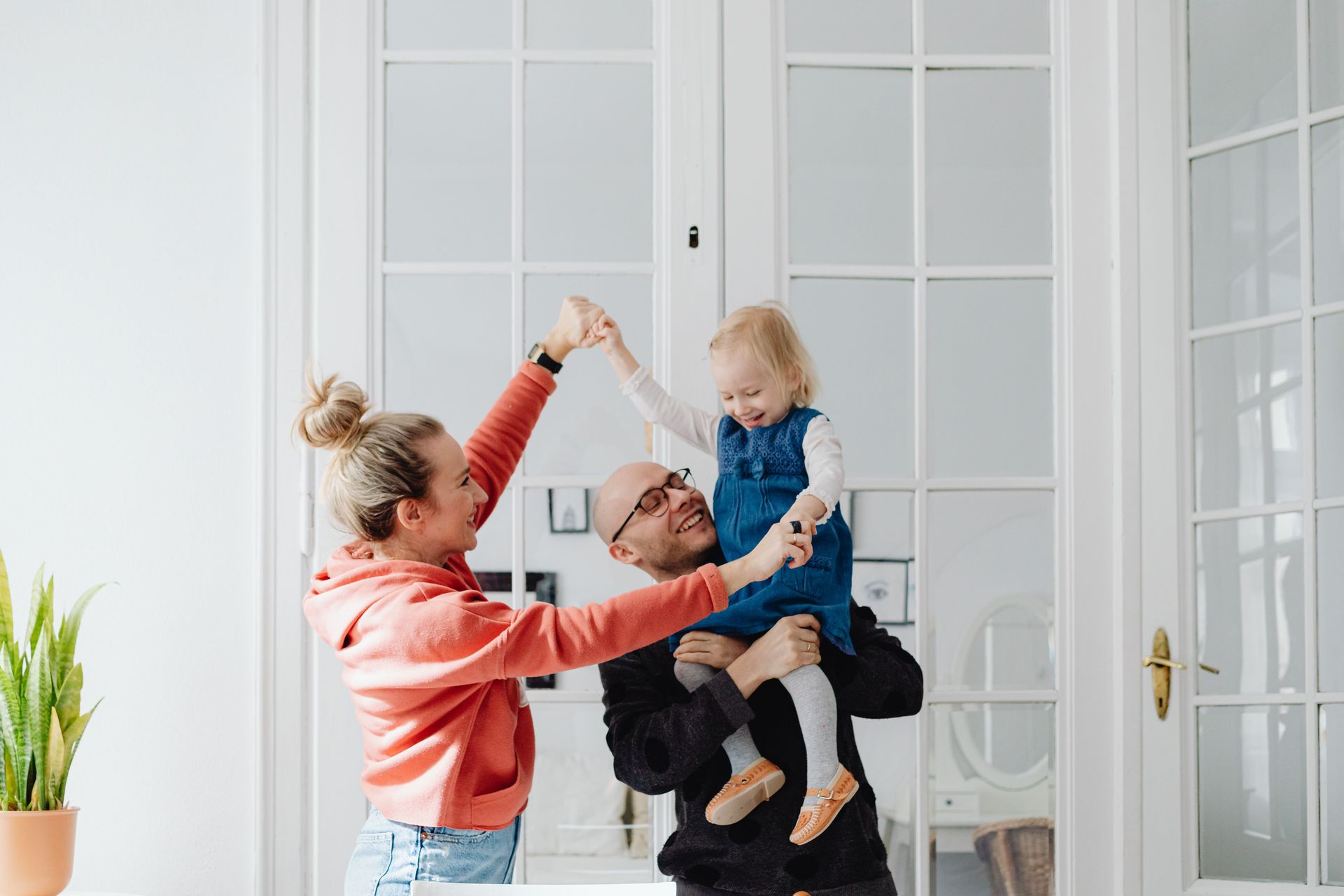
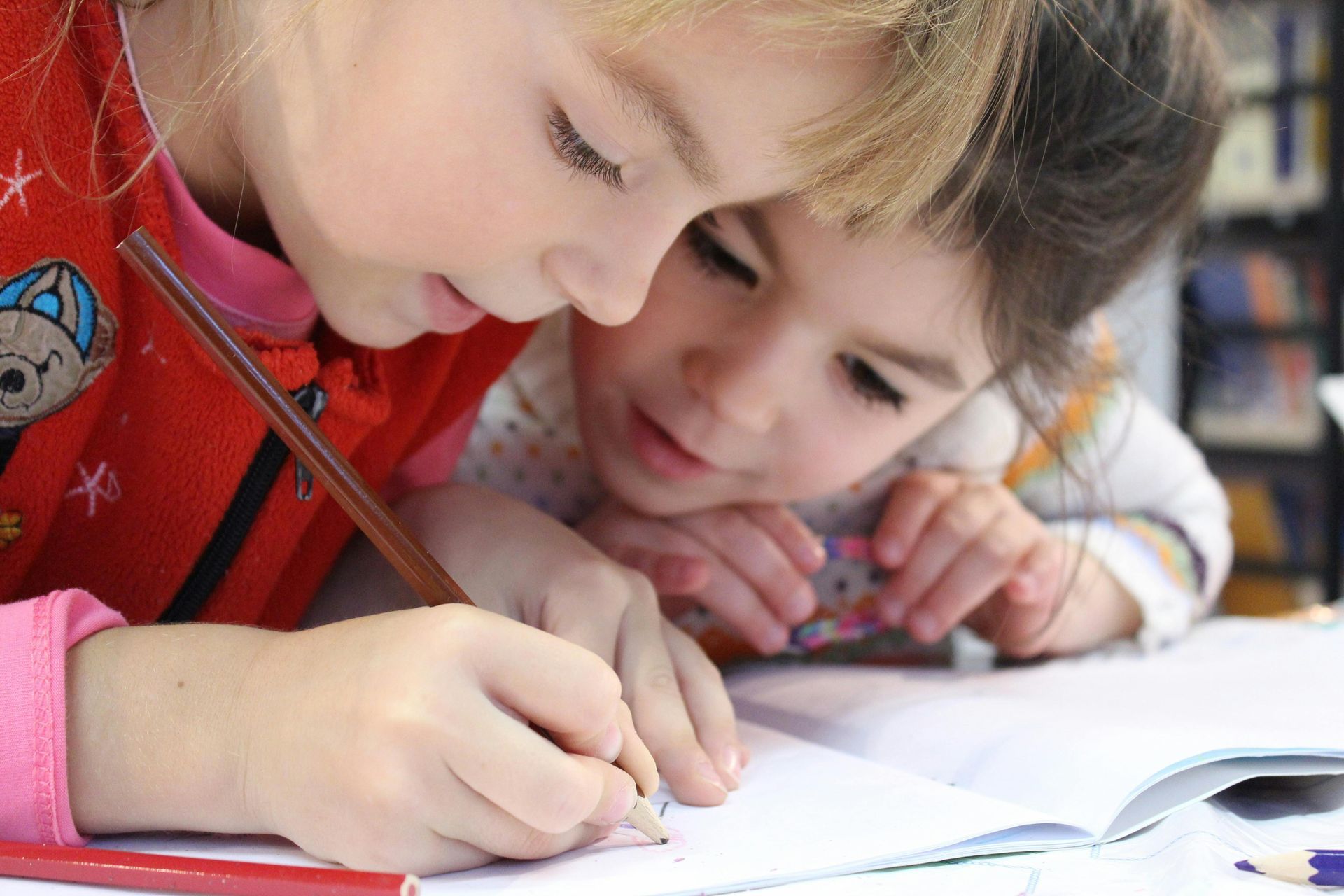
Every child experiences the world in their own unique way. Some children love to climb, jump, and explore everything around them, while others prefer quieter activities or take longer to warm up to new types of play.
For parents, it can sometimes be difficult to know whether these differences are simply personality or signs that a child may need extra support.
At Progressive Pediatric Therapy, our
Sensorimotor Wellness Visit helps families better understand how their child moves, explores, and processes the world — while providing practical strategies to support healthy development through play and everyday routines.
Why Sensorimotor Development Matters
Movement is the foundation for many areas of child development. Through movement and sensory experiences, children learn how to interact with their environment, build confidence, and develop important coordination skills.
Sensorimotor development supports:
- Motor Skills – Strength, balance, coordination, and body awareness.
- Exploration and Learning – Hands-on experiences help children understand their environment.
- Sensory Processing – The ability to respond to sights, sounds, touch, and movement.
- Attention and Regulation – Movement activities help children organize their bodies and focus.
- Confidence and Independence – Mastering new physical skills builds self-esteem.
When children feel comfortable in their bodies and environment, they are more likely to explore, learn, and engage with others.
The Question Many Parents Have
Parents often notice patterns like:
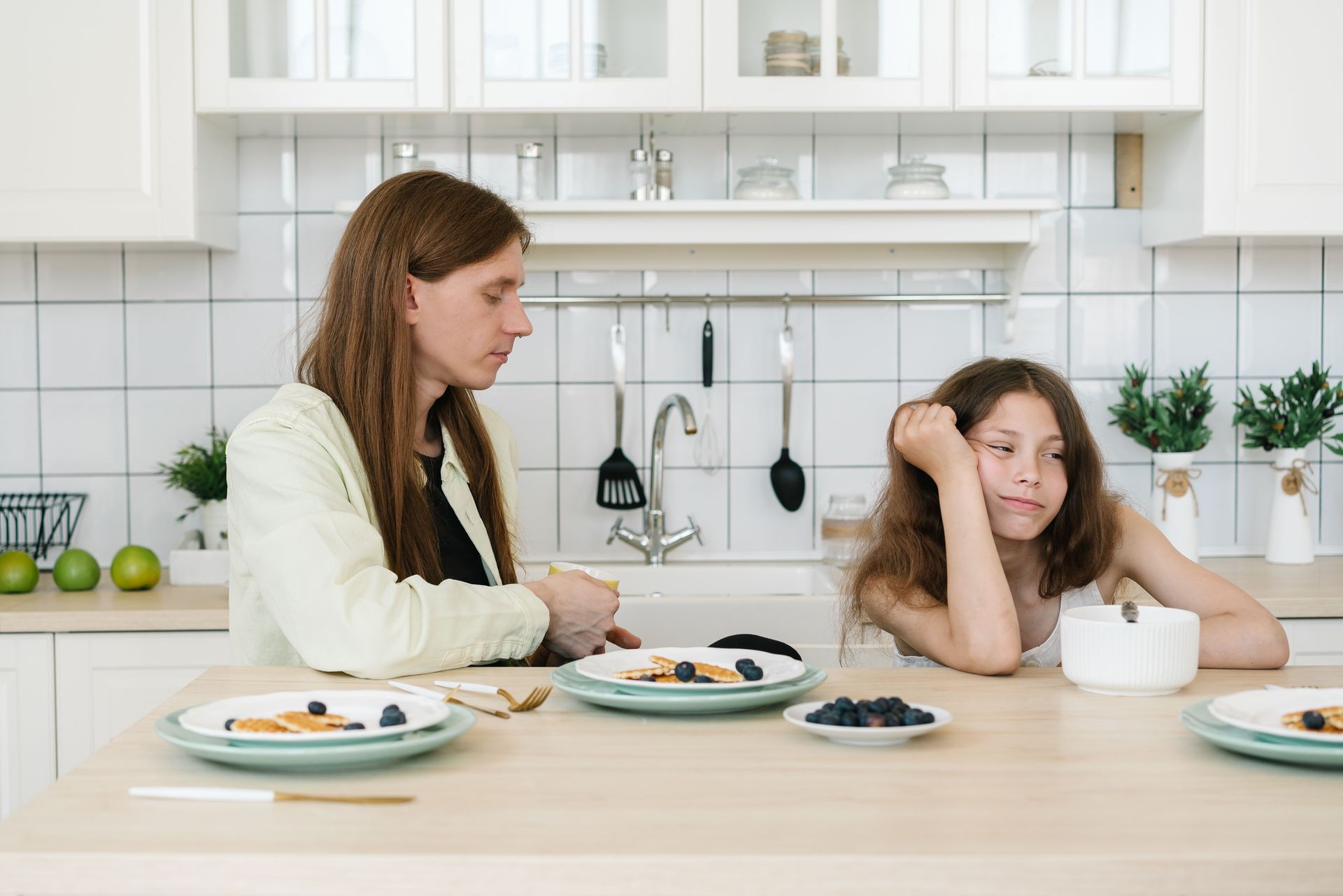
“She avoids certain types of play — how do we introduce them gently?”
You might notice your child:
- Avoiding certain textures or activities
- Preferring calm play instead of active play
- Craving constant movement and climbing
- Taking longer to warm up to new environments
- Becoming overwhelmed in busy or noisy places
Most of these observations fall within the
wellness range, where families simply benefit from guidance, reassurance, and strategies for supporting development.
A Sensorimotor Wellness Visit provides exactly that —
without requiring a formal evaluation or referral.
Understanding Sensorimotor Development
Children develop movement and coordination skills gradually as their bodies grow and their nervous systems mature.
Movement experiences help children develop:
- Body awareness
- Balance and coordination
- Motor planning and problem-solving
- Sensory regulation
These skills support everything from
play and sports to handwriting, attention, and emotional regulation.
Typical Sensorimotor Milestones
Every child develops at their own pace, but many children follow a general progression of movement and coordination skills.
Birth–6 Months
Developing head control, reflex integration, reaching, and rolling.
6–12 Months
Improving sitting balance, crawling, and tactile exploration of objects.
12–24 Months
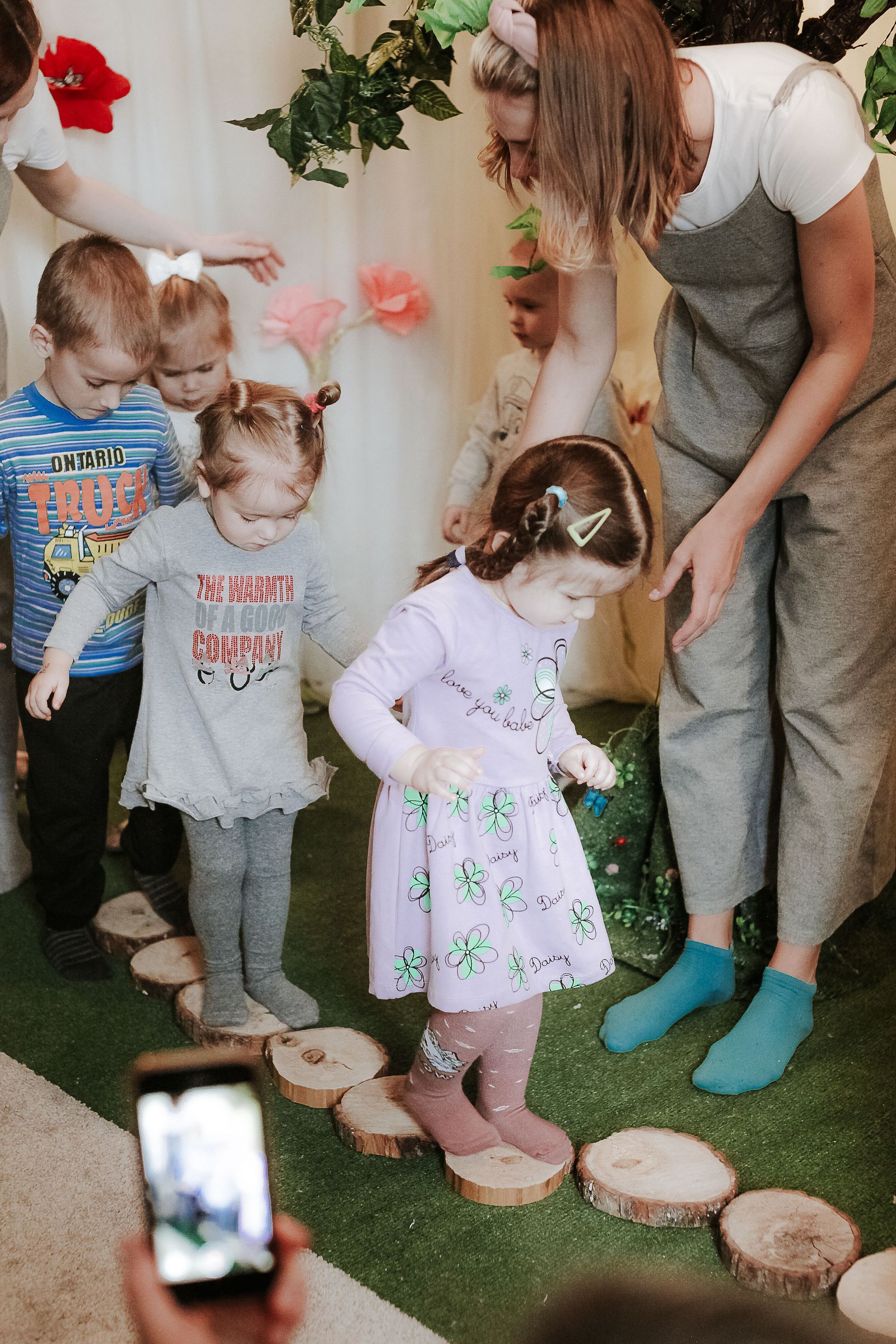
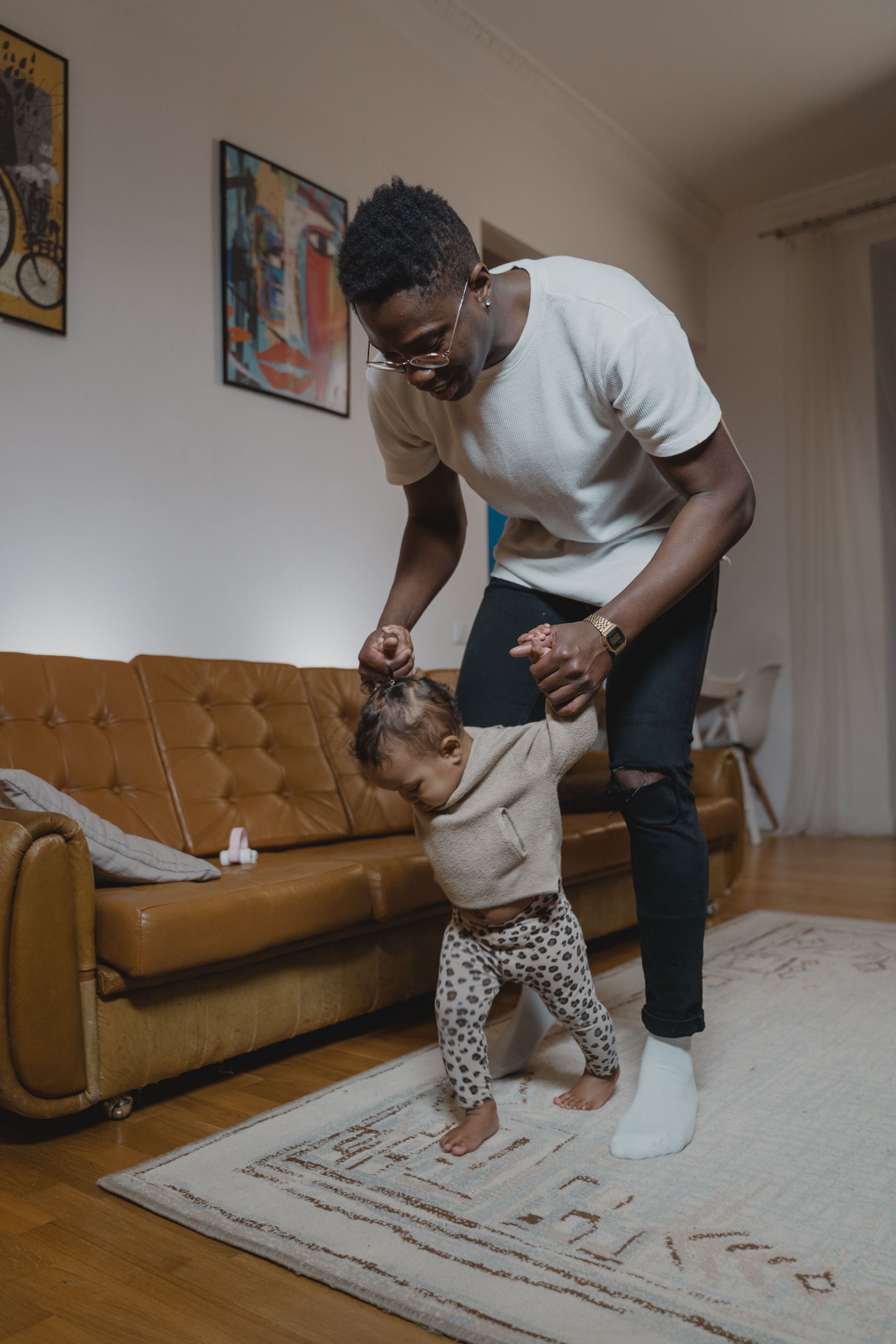
Walking, climbing, and early visual-motor play such as stacking or placing objects.
2–3 Years
Running, jumping, and developing early bilateral coordination.
3–5 Years
Strengthening fine motor skills, postural control, and motor planning.
Supporting your child at their current stage helps play feel natural and successful.
Recognizing Typical Sensory Differences
Every child has a unique
sensory processing style.
For example:
- Some children
crave movement, while others prefer quiet play.
- Some enjoy
messy textures, while others pull away from them.
- Some children
rush into new play, while others observe before joining.
- Some explore fearlessly, while others need extra time and support.
These preferences are not problems — they reflect
how a child naturally processes sensory information.
Our therapists help families understand these patterns and use them to support skill development through simple, everyday play.
How a Sensorimotor Wellness Visit Helps
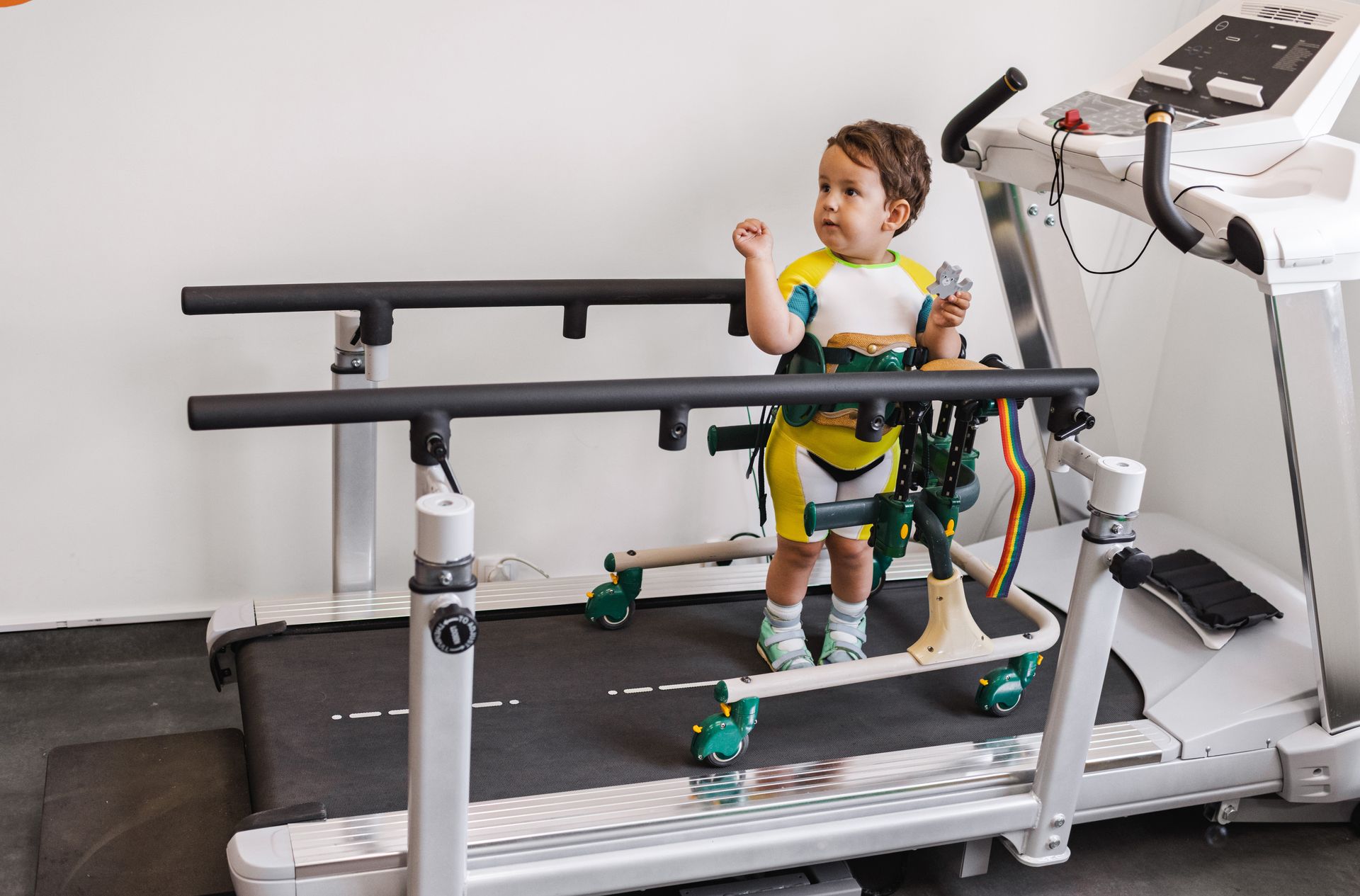
During this visit, our pediatric therapists take a whole-child look at how your child moves, plays, and responds to sensory experiences.
Families receive guidance on:
- Understanding their child’s
movement and sensory patterns
- Learning what development is
typical for their child’s age
- Identifying activities that support coordination and body awareness
- Introducing new types of play in
gentle, supportive ways
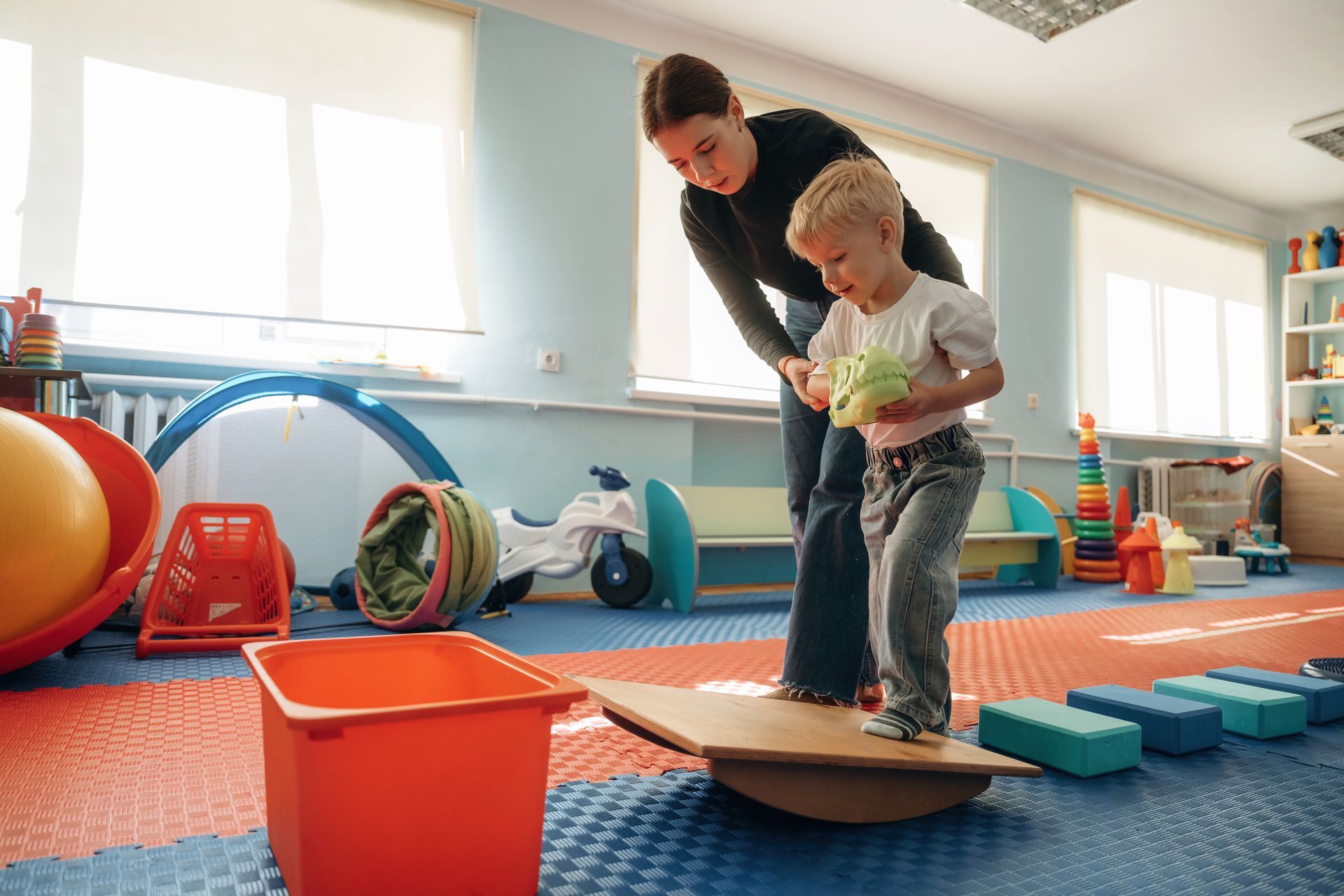
- Building confidence in climbing, balancing, and exploring
- Creating home and play routines that support sensory needs
Families leave with
clear strategies and play-based ideas they can start using right away.
Our Approach at Progressive Pediatric Therapy
At Progressive Pediatric Therapy, we believe sensorimotor development is not about perfection — it’s about
progress, exploration, and confidence.
When parents understand the meaning behind how their child moves, reacts, and explores the world, they can support development with curiosity and connection.
Our goal is to help families see movement as a powerful tool for learning, growth, and confidence.
“Helping families see the meaning behind movement — and use it to support lifelong growth.”
Ready to Support Your Child’s Movement and Confidence?
If you’ve ever wondered whether your child’s movement patterns or sensory preferences are typical, a
Sensorimotor Wellness Visit can provide helpful clarity and guidance.
Getting started is simple:
- Fill out the brief form
- Our admin team pairs you with the therapist best suited to your child’s needs
- We contact you to schedule your Sensorimotor Wellness Visit
With the right support, children can develop the confidence and coordination they need to explore their world fully.
Ready to get started?
Call us at
561-376-2573 to schedule your Sensorimotor Wellness Visit today.