As temperatures rise and summer approaches, families across South Florida flock to the water for fun, relaxation, and play. But alongside the excitement comes an important responsibility,
water safety. At Progressive Pediatric Therapy, we use this time of year not only to promote safe swimming habits but also to spotlight one of our most exciting specialty services:
Aquatic Therapy.
Why Water Safety Matters
In a state like Florida, where pools and beaches are part of daily life, water safety is essential, especially for families with
young children. Drowning is the
leading cause of unintentional injury-related death in children ages 1 to 4, and many of these incidents are preventable.
That’s why we encourage families to stay informed, stay alert, and stay proactive when it comes to water safety. Visit the
Drowning Prevention Coalition of Palm Beach County for essential safety tips, swim programs, and local resources.
What Is Aquatic Therapy?
Did you know that
physical,
occupational, and
speech therapy can take place in the water?
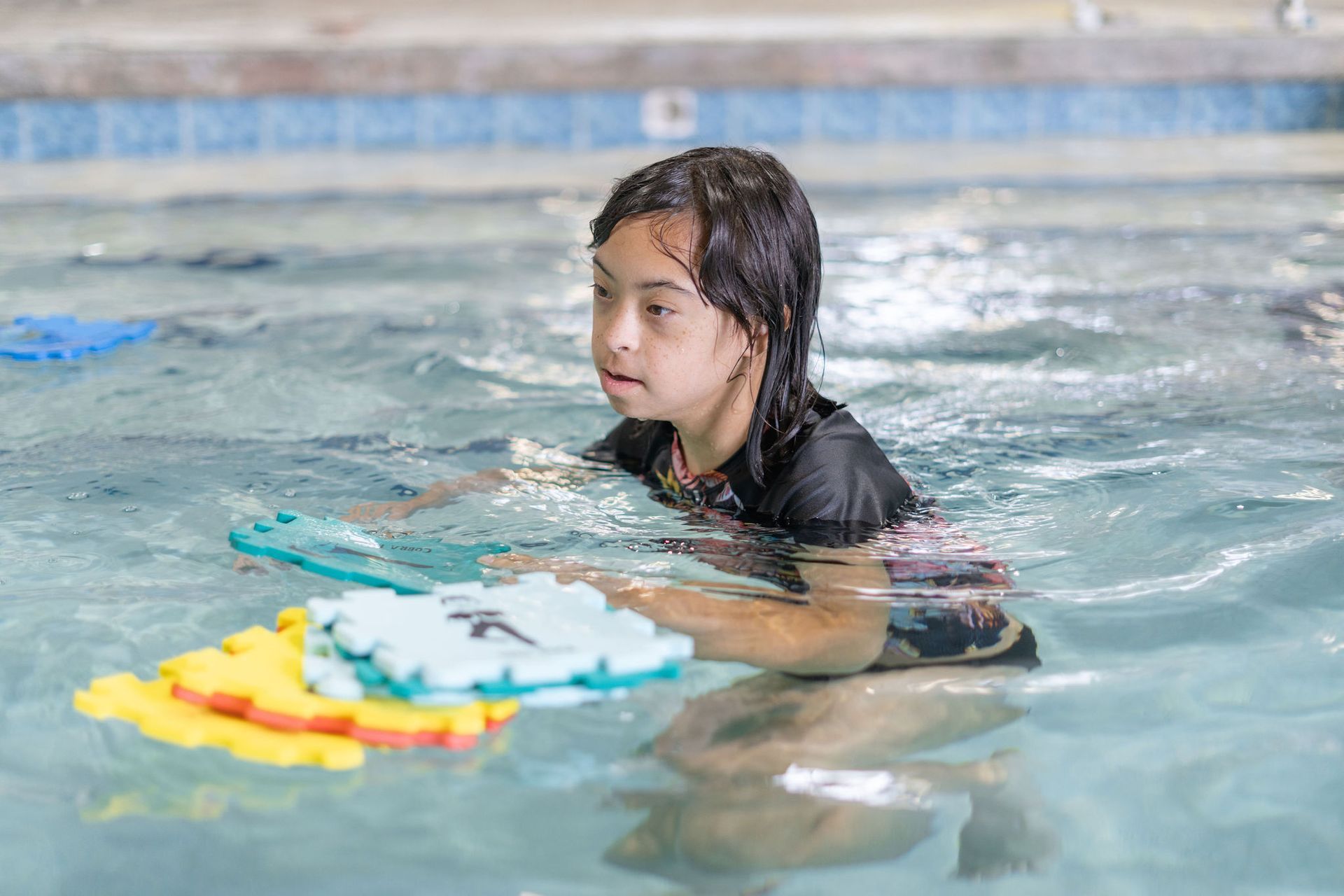
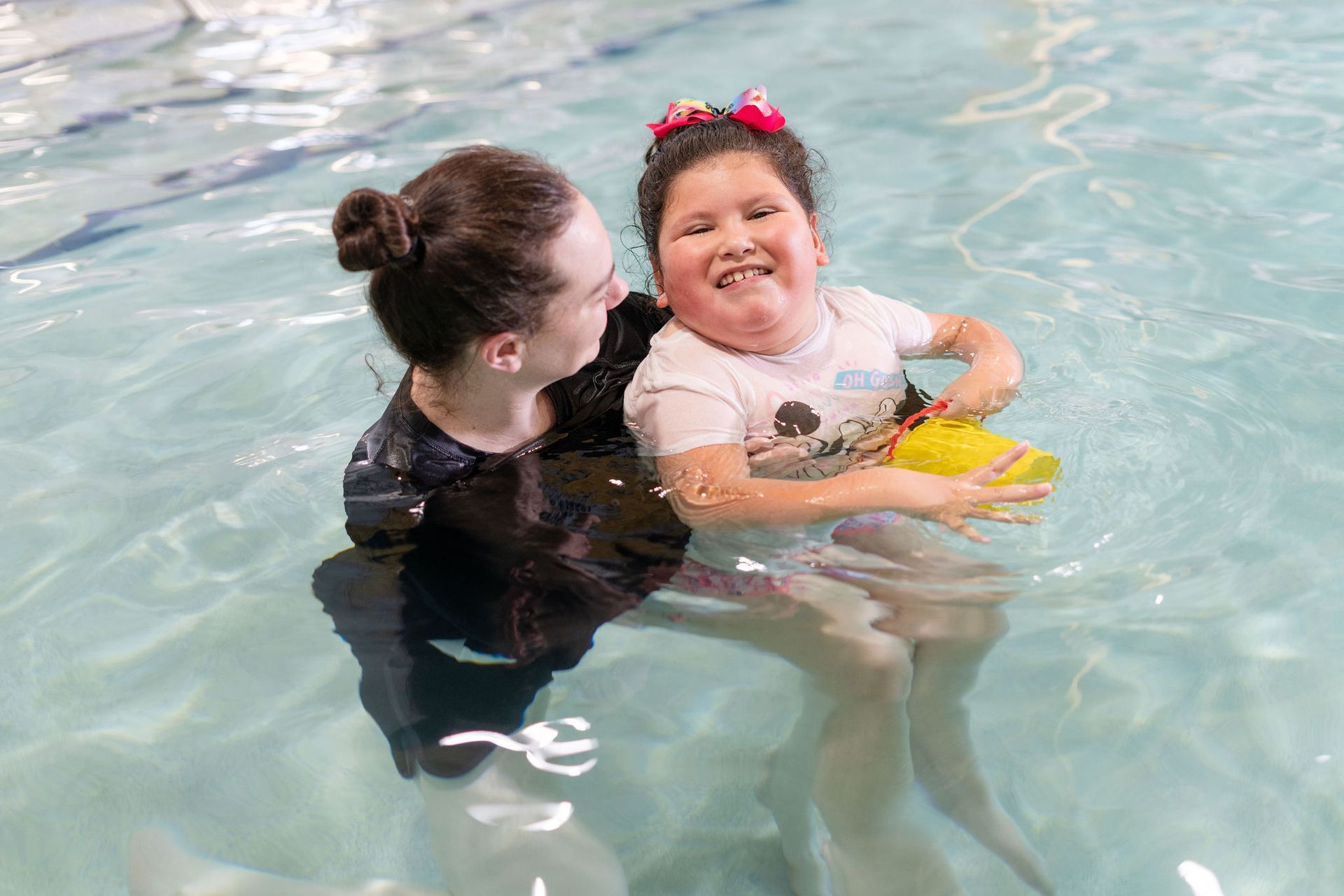
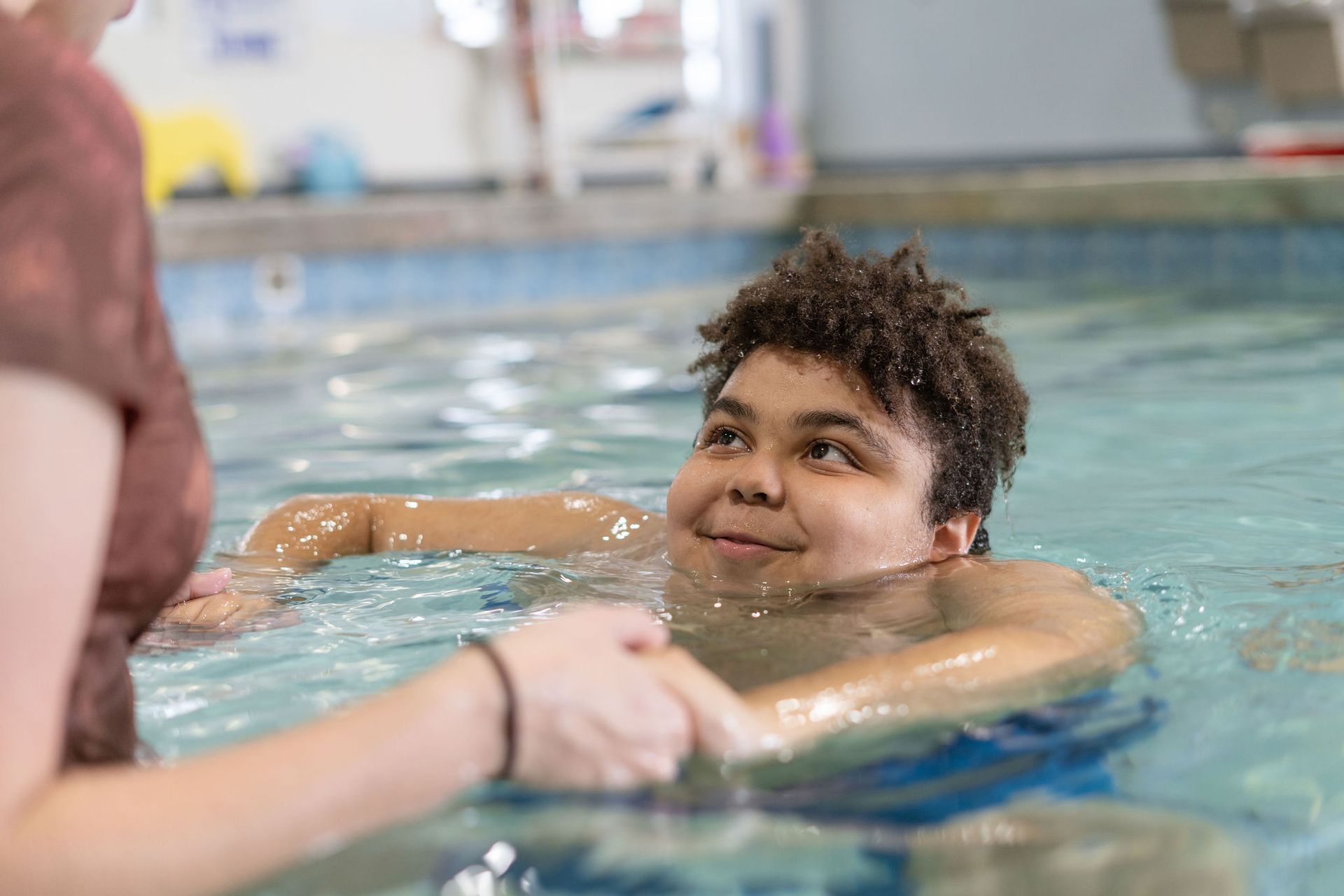
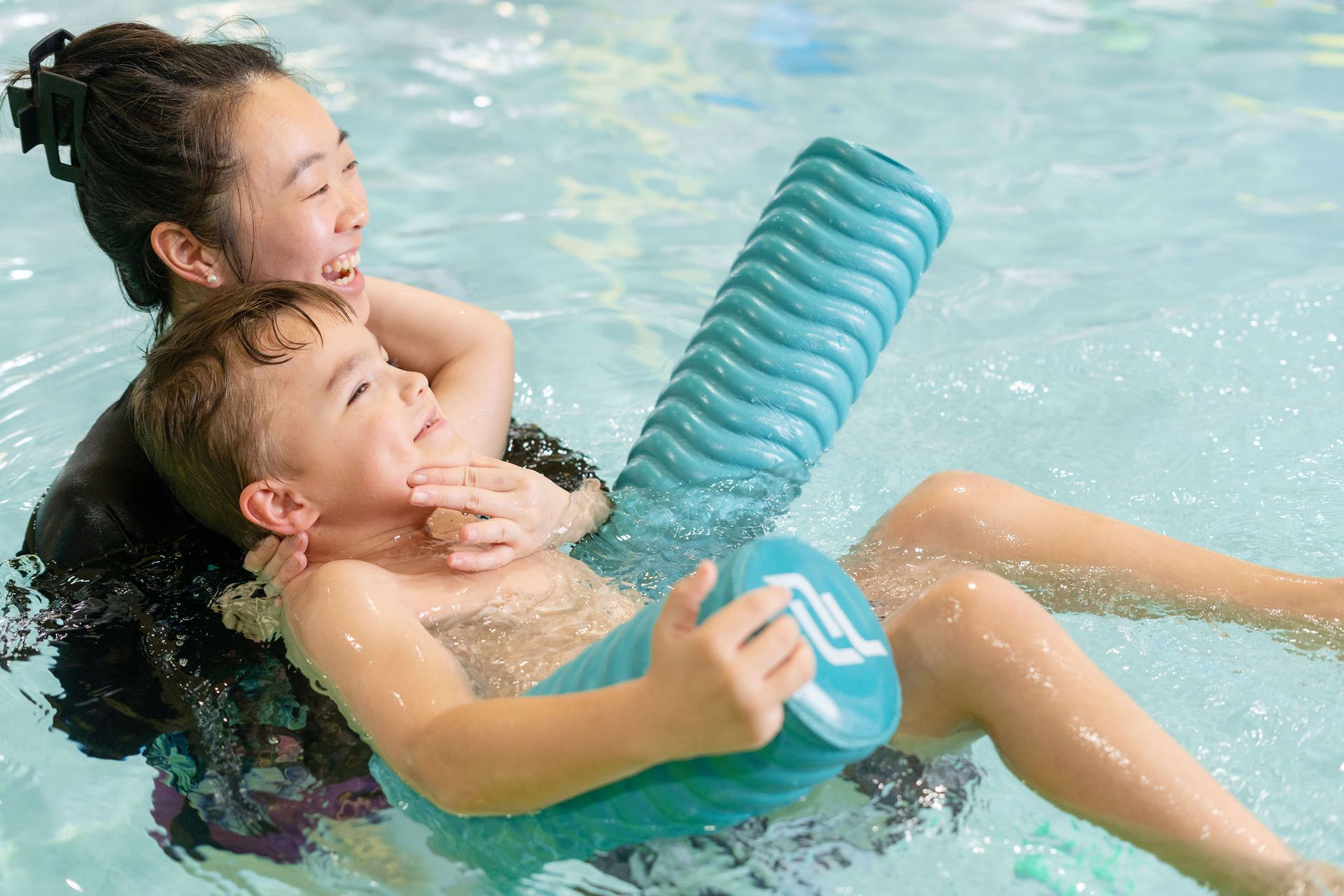
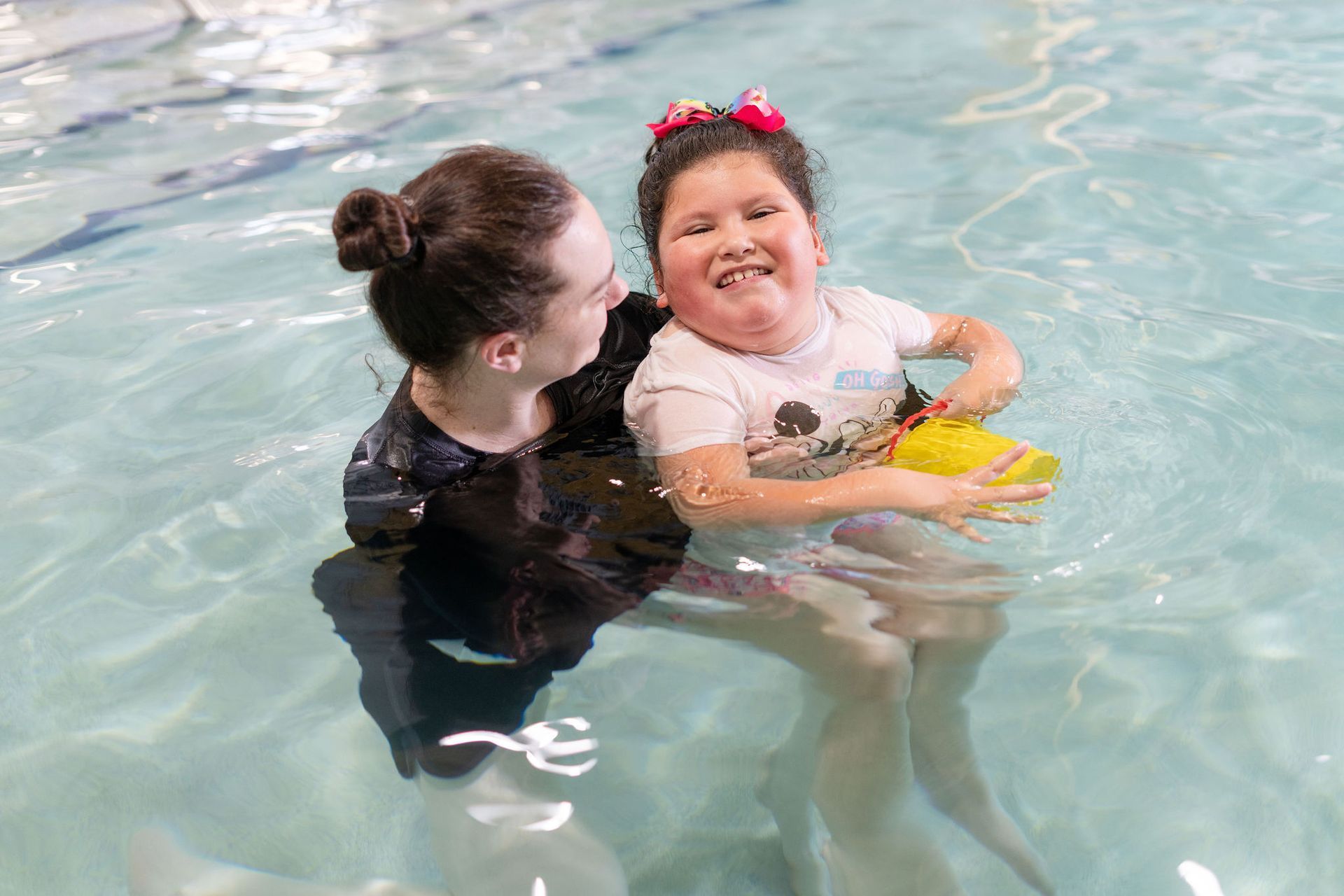
Aquatic Therapy is a specialized treatment approach that uses the natural properties of water to create a therapeutic environment for children. It’s a fun, engaging, and effective way for kids to work on therapy goals in a soothing setting.
Whether your child is building strength, developing coordination, or improving communication skills, Aquatic Therapy offers a dynamic way to support their progress.
Benefits of Aquatic Therapy for Children
Our aquatic sessions are about more than just splashing around. Here's how water-based therapy supports your child’s development:
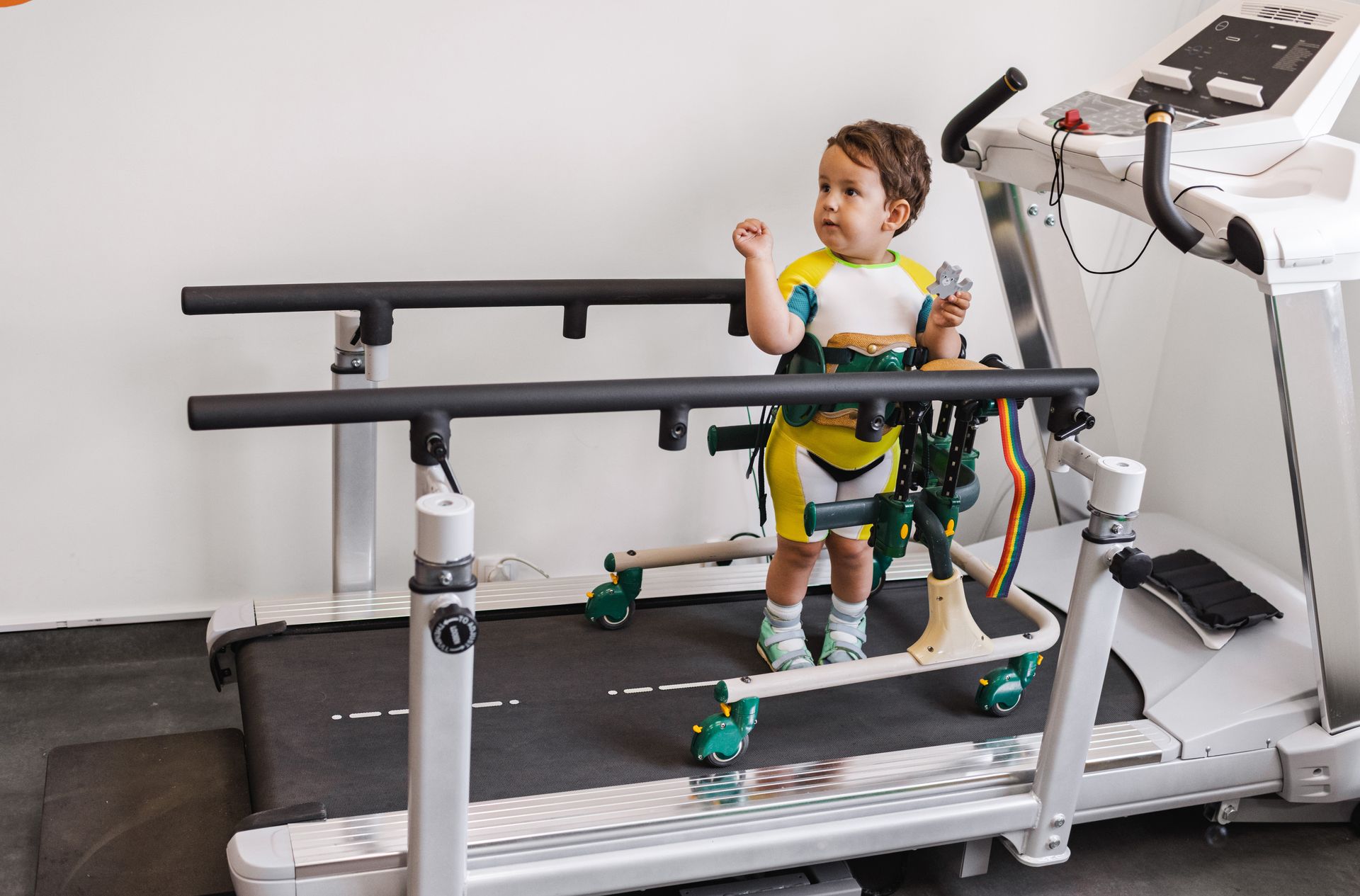
- Increased Mobility: Water reduces the pressure on joints, making it easier for children to move, stretch, and exercise.
- Improved
Balance & Coordination: Water’s natural resistance builds muscle strength and promotes better control.
- Sensory Regulation: For children with
Autism Spectrum Disorder (ASD) or sensory processing challenges, the water can be incredibly calming and supportive.
- Boosted Confidence: Many kids feel more confident moving in water, which can translate to greater success in land-based therapy.
Program Details: Aquatic Therapy with PPT
Our
Aquatic Therapy program is held weekly on Fridays at
Small Fish Big Fish Swim School in West Palm Beach. Each session is led by a licensed physical, occupational, or speech therapist trained in aquatic therapy techniques.
- Location: Small Fish Big Fish Swim School – 346 Pike Road, Units 3 & 4, West Palm Beach
- Schedule: Fridays only
- Partners: In collaboration with
Hope4Mobility, supporting therapy access for all families
- Therapy Areas:
Speech, Occupational, and Physical Therapy in a pool setting
Click here to learn more about our Aquatic Therapy program
Why Summer Is the Perfect Time to Start
As school winds down and summer routines begin, it's an ideal moment to introduce new therapeutic strategies. Aquatic Therapy allows children to continue working toward their developmental goals while enjoying the benefits of movement, play, and water-based fun.
It’s a great way to maintain therapeutic momentum while adding variety and excitement to their routine.
Water Safety + Therapy = A Powerful Combination
At Progressive Pediatric Therapy, we believe that water should be both
safe and therapeutic. That’s why we’re passionate about combining evidence-based therapy with essential water safety awareness.
We encourage every family to:
- Supervise children near water at all times
- Enroll kids in swim lessons and water safety programs
- Learn CPR and emergency response strategies
- Create a home pool safety plan
For more life-saving resources, visit the
Drowning Prevention Coalition of Palm Beach County.
Our Commitment at Progressive Pediatric Therapy
We are proud to offer innovative, compassionate care through our Aquatic Therapy program designed to support your child’s unique needs while keeping safety top of mind. From
sensory challenges to
motor delays, our expert team is here to help your child grow, one splash at a time.
Interested in enrolling your child in Aquatic Therapy?
Click here to sign up, or contact us to schedule an evaluation.
For more pediatric therapy tips and family-focused resources, follow us on social media and subscribe to our blog!