Top Shoes for Kids 2025 - Recommended by Pediatric Physical Therapists

Aimee Brueck • September 18, 2025
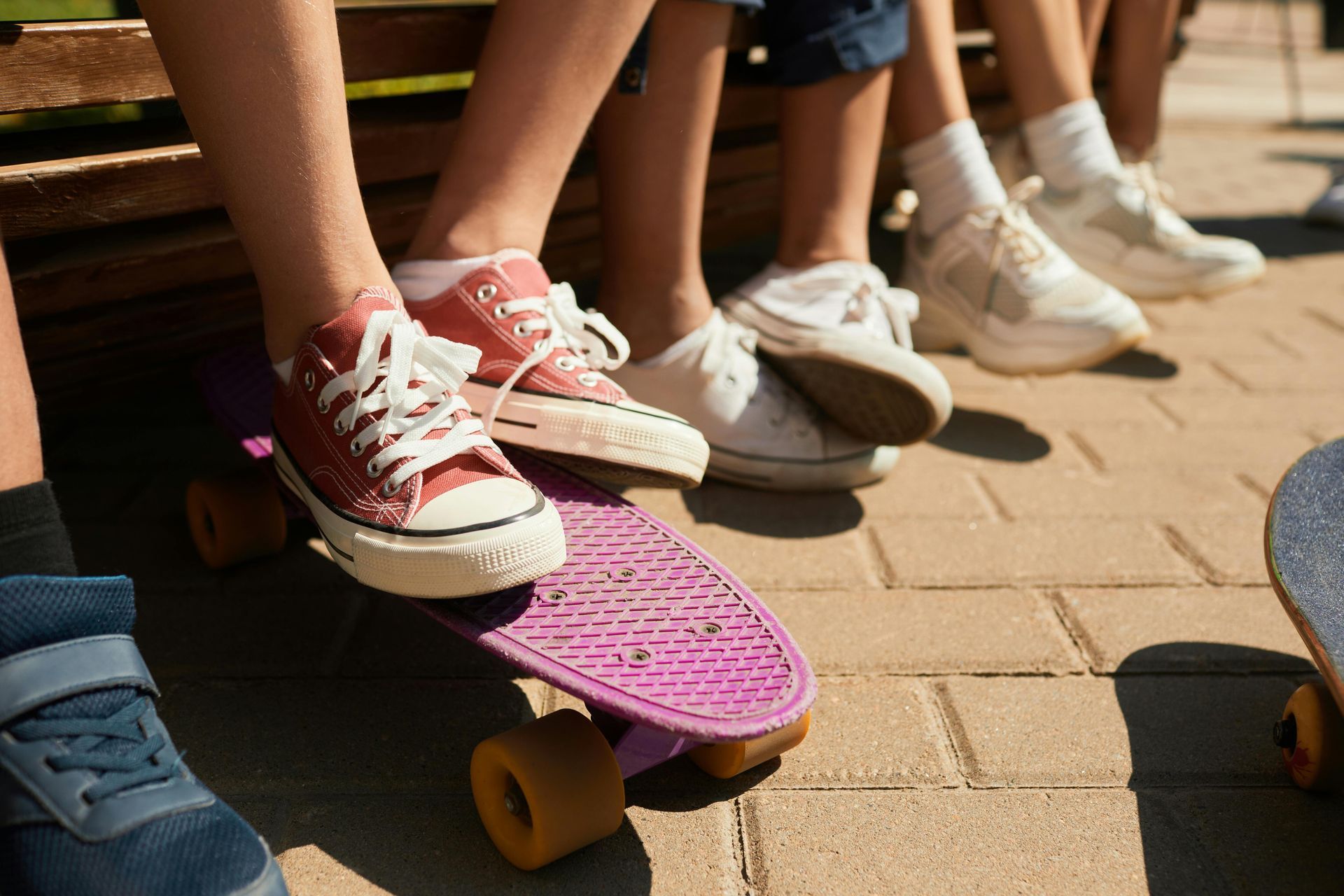
Feet in sneakers and skateboards on a brick surface.

Choosing the right pair of shoes for your child isn’t just about style, it’s about supporting their growing feet with the stability, comfort, and structure they need. Whether your child has orthotic needs, sensory sensitivities, or simply needs reliable footwear for school and play, finding pediatric therapist-recommended shoes can make all the difference.

To help, we asked pediatric physical therapists to share their top shoe recommendations for kids. From adaptive closures to orthopedic designs, these shoes are not only functional but also kid-friendly and stylish.

Here’s a curated list of the top 10 best shoes for kids approved by experts and loved by parents.

Top Picks from Pediatric Physical Therapists

All of the following shoes are recommended by pediatric professionals and selected for comfort, support, and ease of use.

1. Stride Rite Adaptive Footwear

Black and white toddler sneaker with two velcro straps.

Perfect for kids who wear orthotics or AFOs, these adaptive shoes feature extra-wide openings and removable insoles for maximum adjustability and comfort.

2. Billy Footwear

Black and iridescent high-top sneaker with a zipper, white sole, and black laces.

Designed with universal access in mind, Billy shoes open completely around the top and side, making them ideal for kids with mobility or sensory challenges.

3. Memo Orthopedic Shoes

Blue and green high-top child's shoe with velcro straps.

These orthopedic shoes are medically designed for foot correction and monitoring. They’re often recommended for children with developmental delays or gait concerns.

4. Mt. Emey Kids Orthopedic Shoes

Pink and white children's shoe with two velcro straps, yellow, black and rainbow accents.

These orthopedic shoes are built for children who need additional depth, width, and therapeutic support. Perfect for braces and orthotics.

5. Friendly Shoes

Green, black, and red camouflage athletic shoe with white sole.

Combining style with accessibility, Friendly Shoes are lightweight, easy to zip, and comfortable for kids with sensory sensitivities or motor challenges.

6. See Kai Run Ryder Adapt

Blue and green toddler sneaker with hook and loop closures and white sole.

Flexible and supportive, these shoes are ideal for active kids. The Adapt line features extra room for orthotics while maintaining a sporty look.

7. Keen Targhee Adaptive Shoes

Gray, blue, and pink toddler boot with zipper, strap, and lug sole.

Durable and rugged, these adaptive shoes are made for outdoor play. They feature a boundless alternative closure for easy on/off access.

8. Kids Ortho Tennis Shoes (Amazon)

Light blue and pink kids' sneaker with velcro strap and white sole.

Affordable and functional, these orthopedic tennis shoes offer shock-absorbing soles and are great for everyday use.

9. SureStep Shoes

White sneaker with gold glitter laces and accents.

Created for children with mobility and alignment issues, SureStep shoes are specially designed to work with orthotic devices and help stabilize walking patterns.

10. Amazon Adaptive Shoes – Lightweight Option

Blue and tan toddler shoe with a pug face design, hook-and-loop closure, and light-up sole.

Breathable, flexible, and budget-friendly — this option is a great choice for families needing a supportive shoe that’s easy to slip on.

Does Your Child's Toe Walking Really Need Surgery? What a 2025 Gait Analysis Study Found
By Aimee Brueck • October 27, 2026
A 2025 study of 47 children with idiopathic toe walking found that adding gait analysis moved about one in three from planned orthopedic treatment to conservative care. Progressive Pediatric Therapy explains what it means for families in Palm Beach County.
By Aimee Brueck • October 17, 2026
A 2026 randomized controlled trial found boys with dyspraxia (DCD) learned a throwing skill better when the target looked smaller. What the research means for parents and pediatric therapists.
By Aimee Brueck • October 16, 2026
A 2026 systematic review finds no consistent subtypes of dyspraxia (DCD). It's better understood as a spectrum of severity. Here's what that means for your child's therapy.
By Aimee Brueck • September 15, 2026
A 2026 systematic review and meta-analysis of 22 studies finds ARFID has a distinct clinical profile from anorexia and bulimia in children and teens. Progressive Pediatric Therapy explains what it means for feeding therapy in Palm Beach County. Schedule an evaluation today.
By Aimee Brueck • September 14, 2026
Is your child toe walking? Learn the causes of toe walking in children, how pediatric PT and OT help, and when to seek an evaluation. Progressive Pediatric Therapy provides individualized toe walking therapy in Palm Beach County, evaluating the whole child. Schedule an evaluation in Palm Beach County today.
By Aimee Brueck • September 8, 2026
A 2026 study found children with autism or sensory processing disorder were far more likely to return to toe walking after surgery than idiopathic toe walkers. Progressive Pediatric Therapy explains what that means for families in Palm Beach County and why identifying the sensory piece matters before treatment.
By Aimee Brueck • September 4, 2026
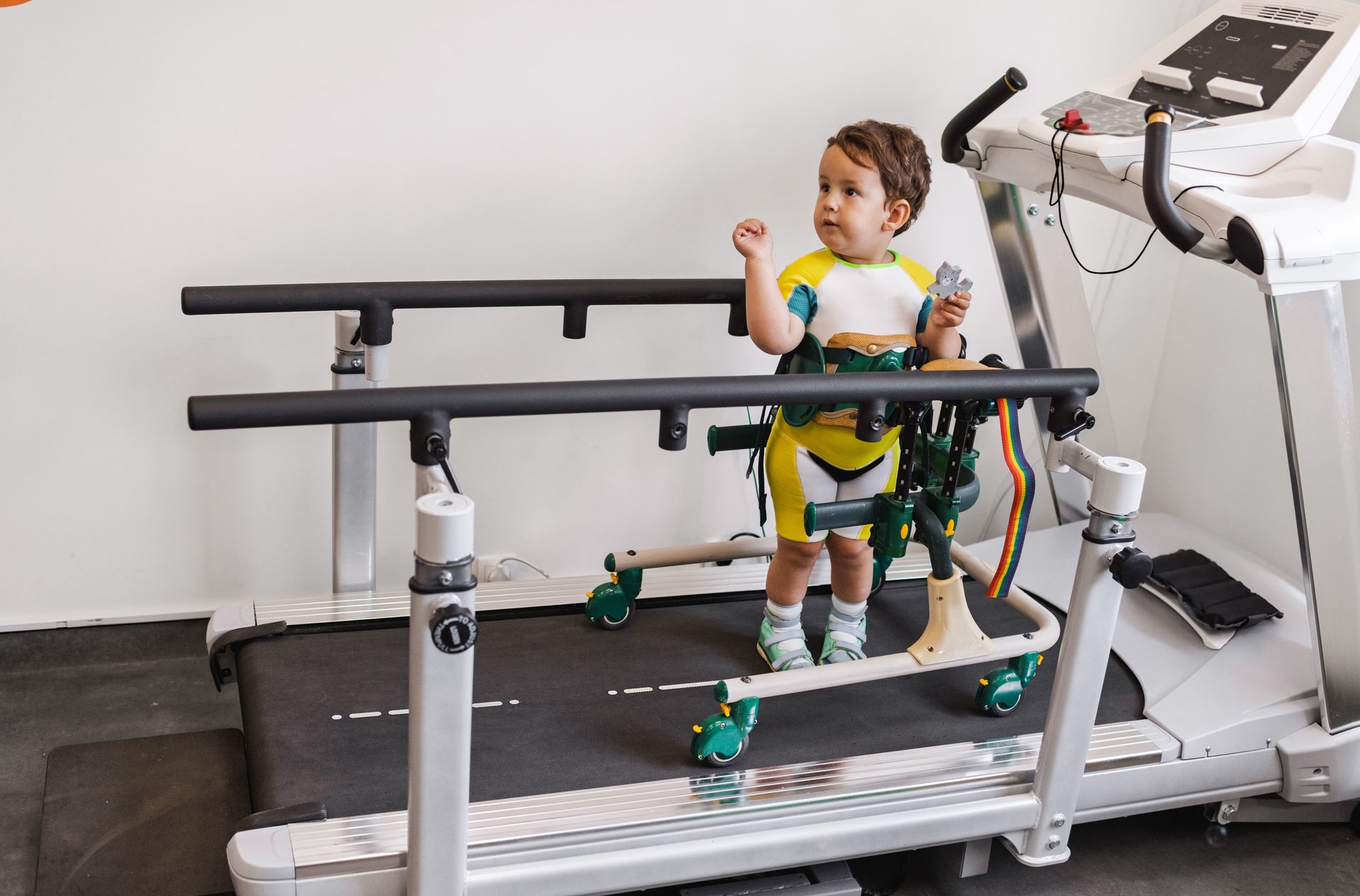
Does treadmill training help children with cerebral palsy walk better? South Florida families trust Progressive Pediatric Therapy for expert pediatric physical therapy in South Florida. Our licensed therapists break down a 2025 randomized trial. Schedule an evaluation today.
By Aimee Brueck • September 2, 2026
A 2025 peer-reviewed commentary examines the evidence behind Gestalt Language Processing (GLP) and the NLA protocol. Progressive Pediatric Therapy breaks down the concerns, the common ground, and what it means for families in Palm Beach County.
August 28, 2026
Does balance training help children with developmental delays? South Florida families choose Progressive Pediatric Therapy for expert pediatric physical therapy in South Florida. Our licensed therapists explain a new 2026 meta-analysis of 22 trials. Schedule an evaluation today.
By Aimee Brueck • August 28, 2026
When a baby arrives earlier than expected, the first weeks and months can bring both joy and uncertainty. Families often leave the NICU or hospital with important instructions — but also many questions about their baby’s development. Parents may find themselves wondering: “Should my baby be rolling, smiling, or eating more by now?” These questions are very common for families of premature infants. Many concerns fall into a gray area between needing formal therapy and simply needing expert reassurance and guidance. At Progressive Pediatric Therapy, our Guiding Growth Program provides proactive developmental support for premature and medically complex infants — helping families understand their baby’s development while building confidence during the first year.