Celebrating Better Hearing and Speech Month: How Speech-Language Pathologists Help Children Thrive

May 8, 2025

May is a month of blooming possibilities and brighter days, and for those of us at Progressive Pediatric Therapy, it also marks Better Hearing and Speech Month. A time to shine a spotlight on communication and the professionals who make a lifelong difference: Speech-Language Pathologists (SLPs).

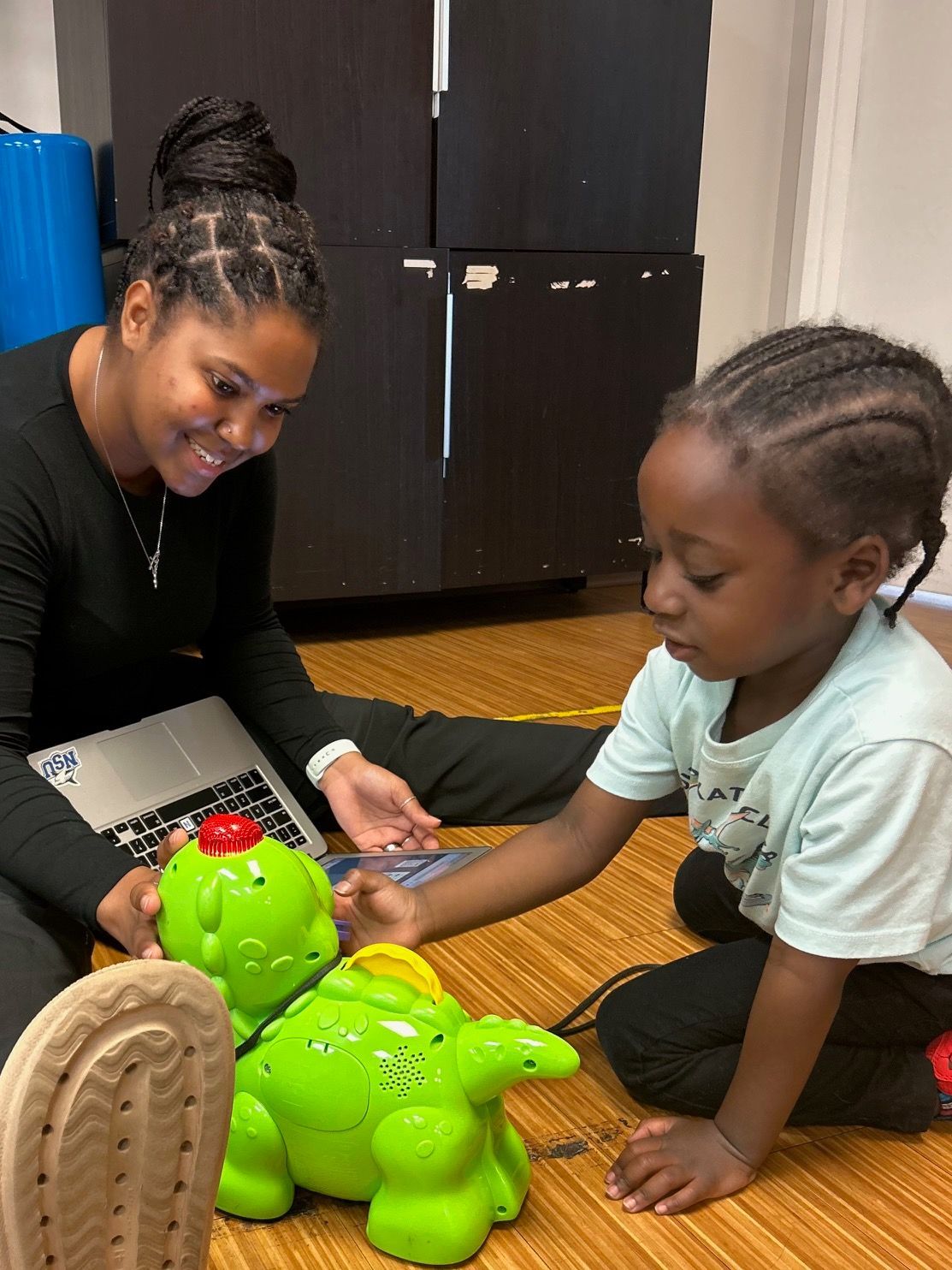
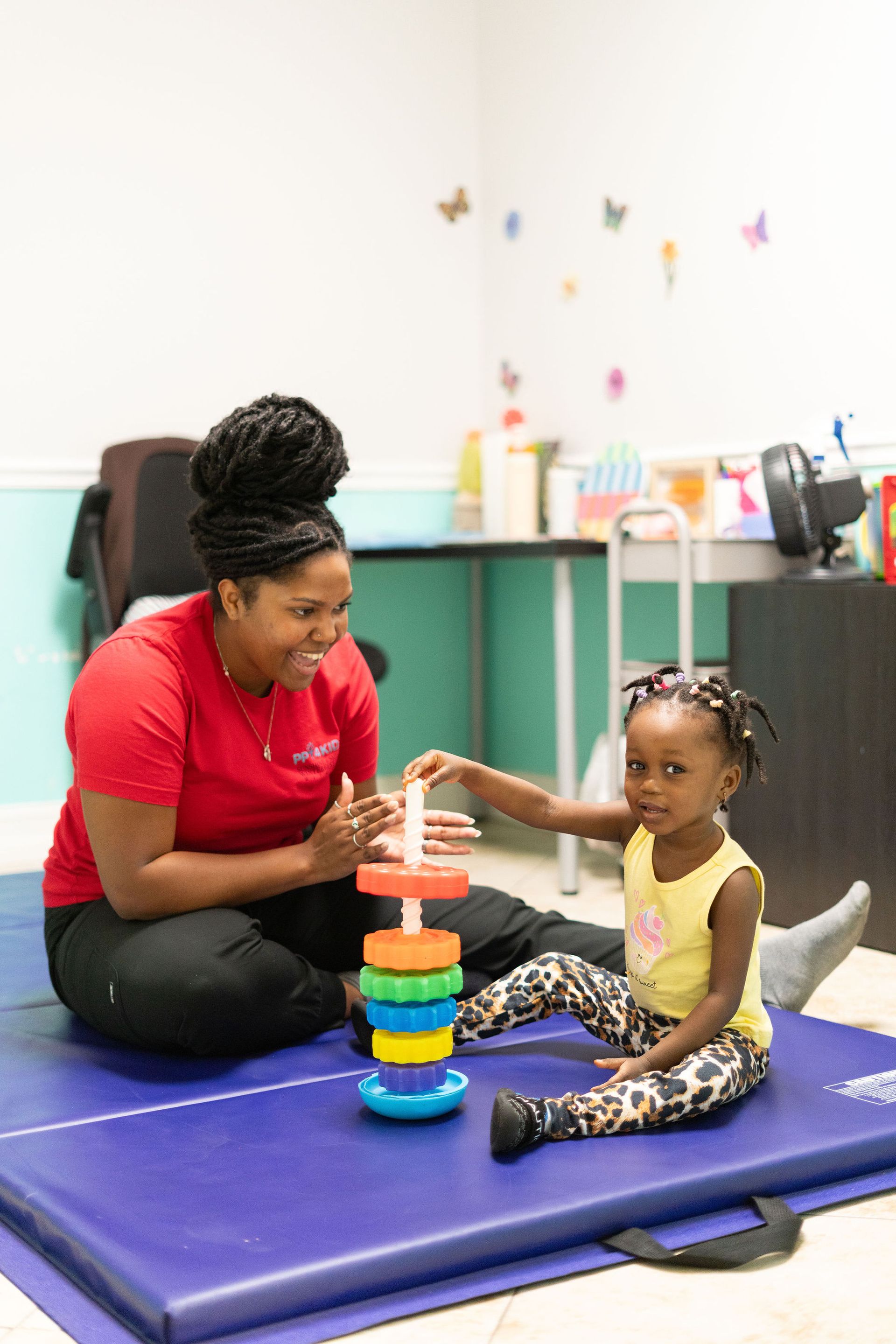
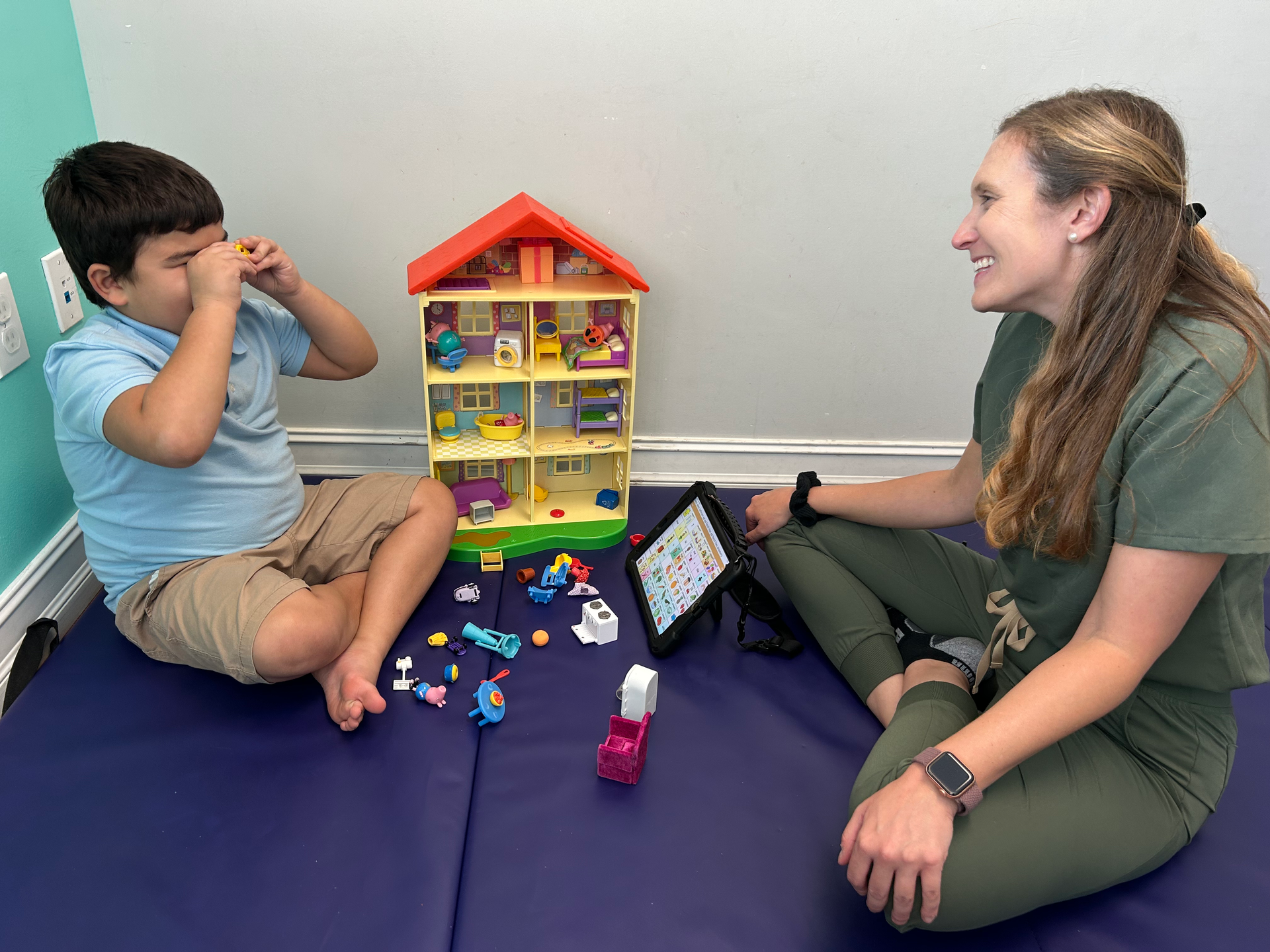
A woman is sitting on the floor next to a child playing with toys.

What Is Better Hearing and Speech Month?

Each May, we recognize the importance of healthy communication and raise awareness about speech, language, and hearing disorders that affect both children and adults. It’s also a time to celebrate the expertise of Speech-Language Pathologists, often called speech therapists who help individuals of all ages find their voice and connect more confidently with the world around them.


At Progressive Pediatric Therapy, we use this month to educate families, support early intervention, and honor the unique journey each child takes toward stronger communication.

What Do Speech-Language Pathologists Do?

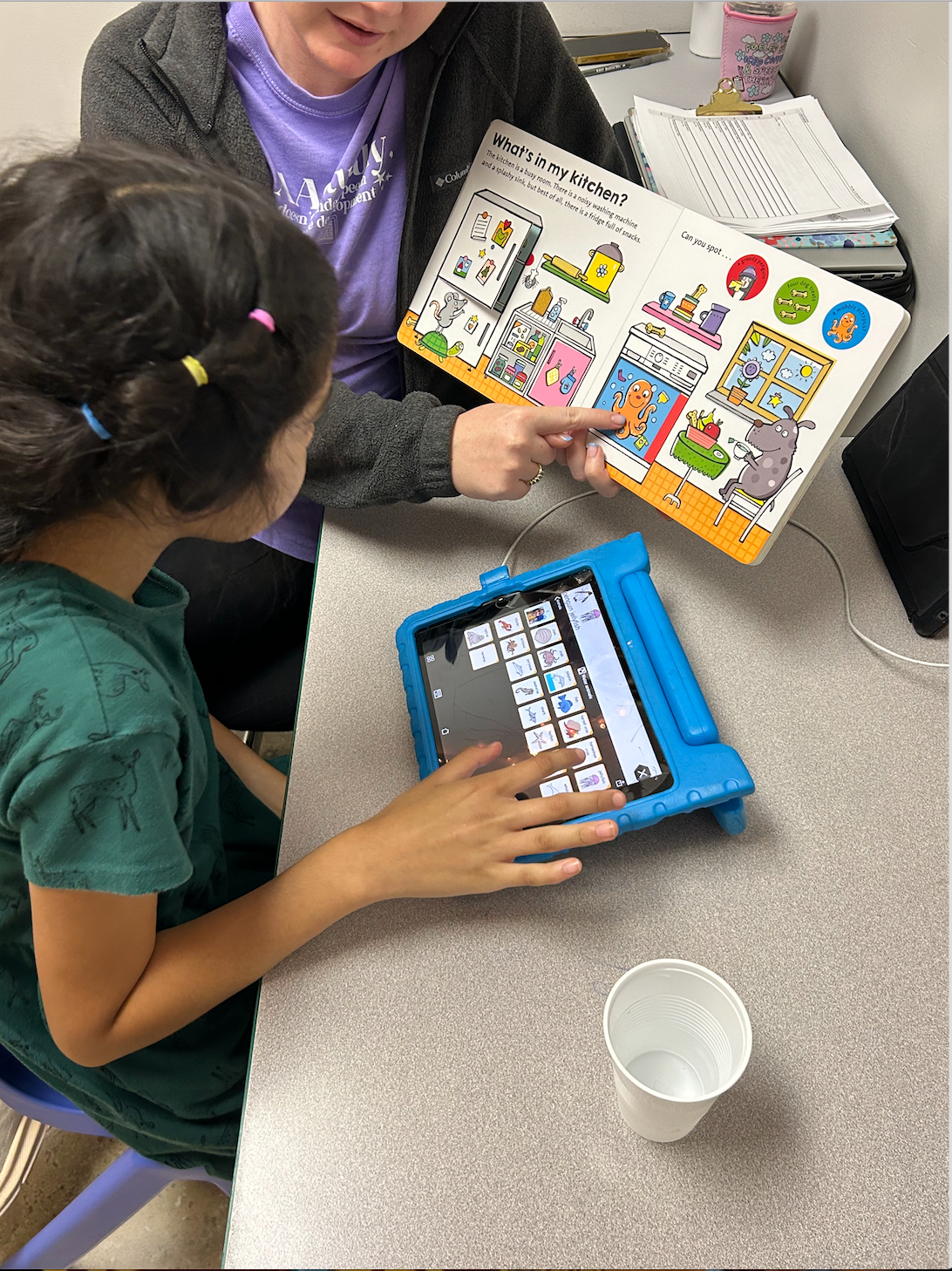
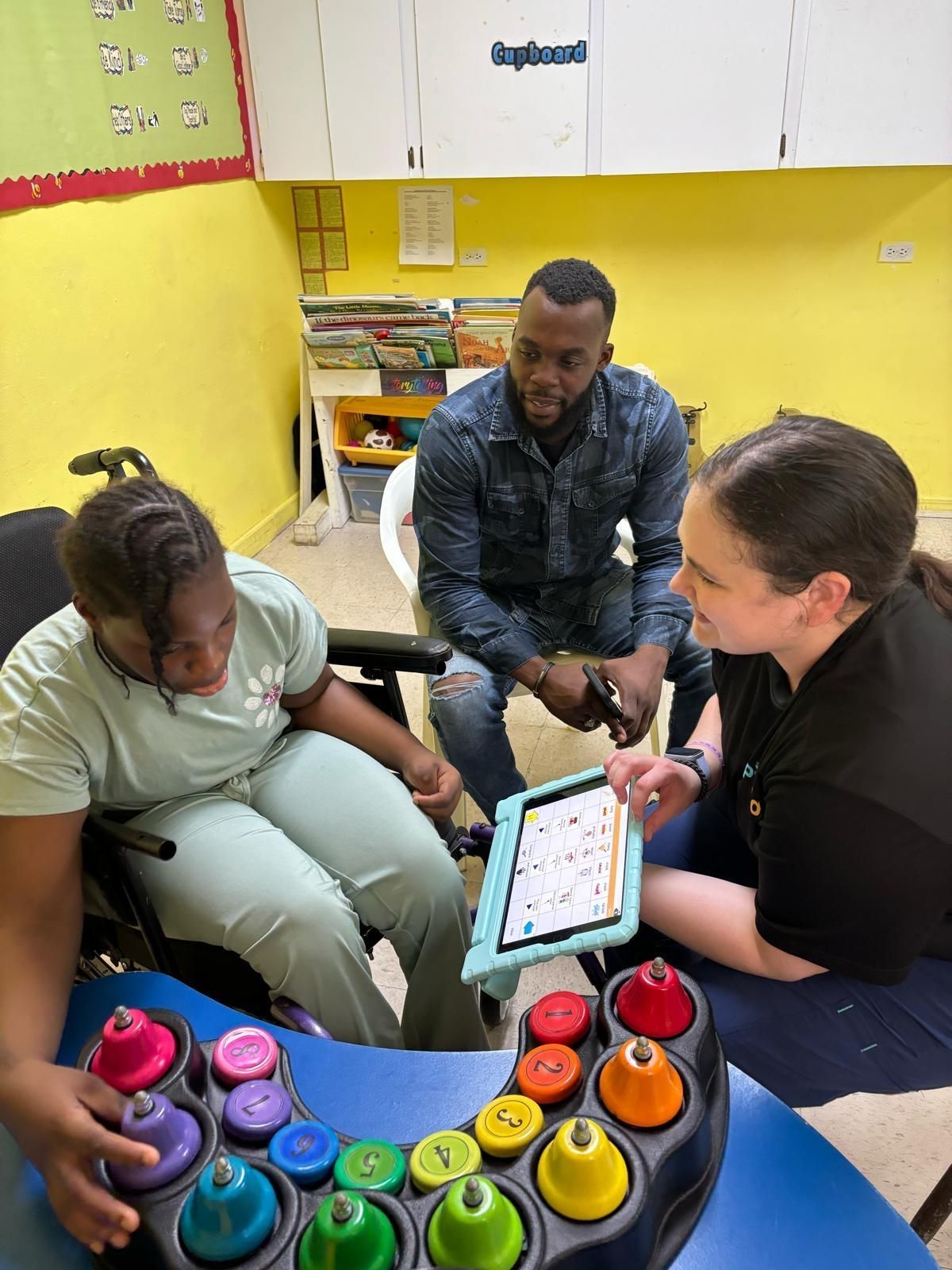
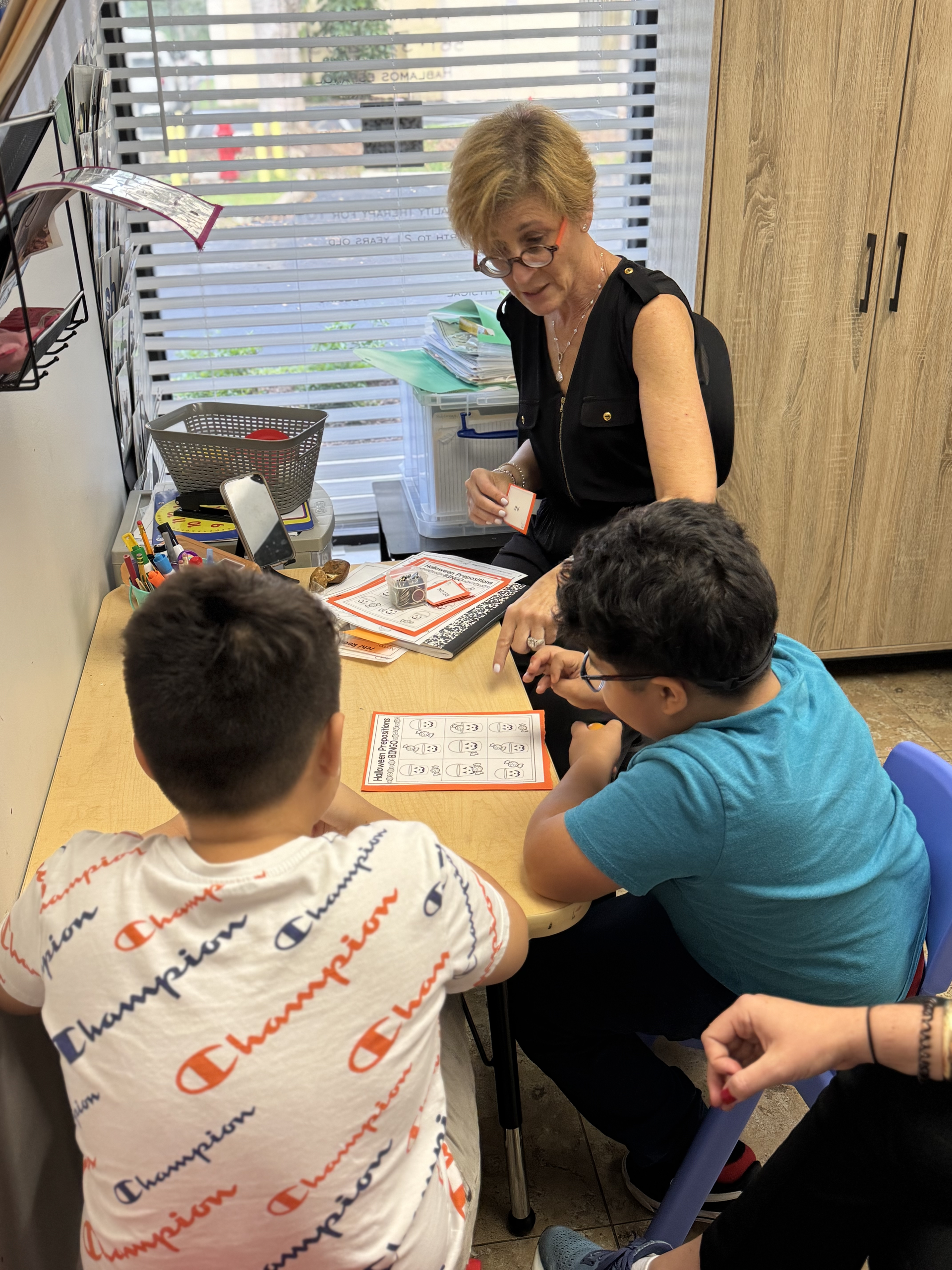
SLPs are highly trained professionals who assess, diagnose, and treat a wide range of communication and swallowing disorders. In a pediatric setting, they work with children who may experience challenges with:


  • Speech clarity and articulation
  • Language development (understanding and using words)
  • Social communication (such as making eye contact or staying on topic)
  • Voice or fluency (stuttering)
  • Feeding and swallowing difficulties


Whether your child is a late talker, has trouble expressing needs, or struggles with understanding directions, SLPs provide evidence-based strategies tailored to their developmental stage.

How SLPs Support Children and Families

Working with a speech-language pathologist is more than just practicing sounds, it’s about building confidence, independence, and connection.


Here’s how SLPs support your child’s growth:


  • Personalized Goals: Therapy is based on each child’s unique strengths and challenges, creating goals that support communication in everyday life.
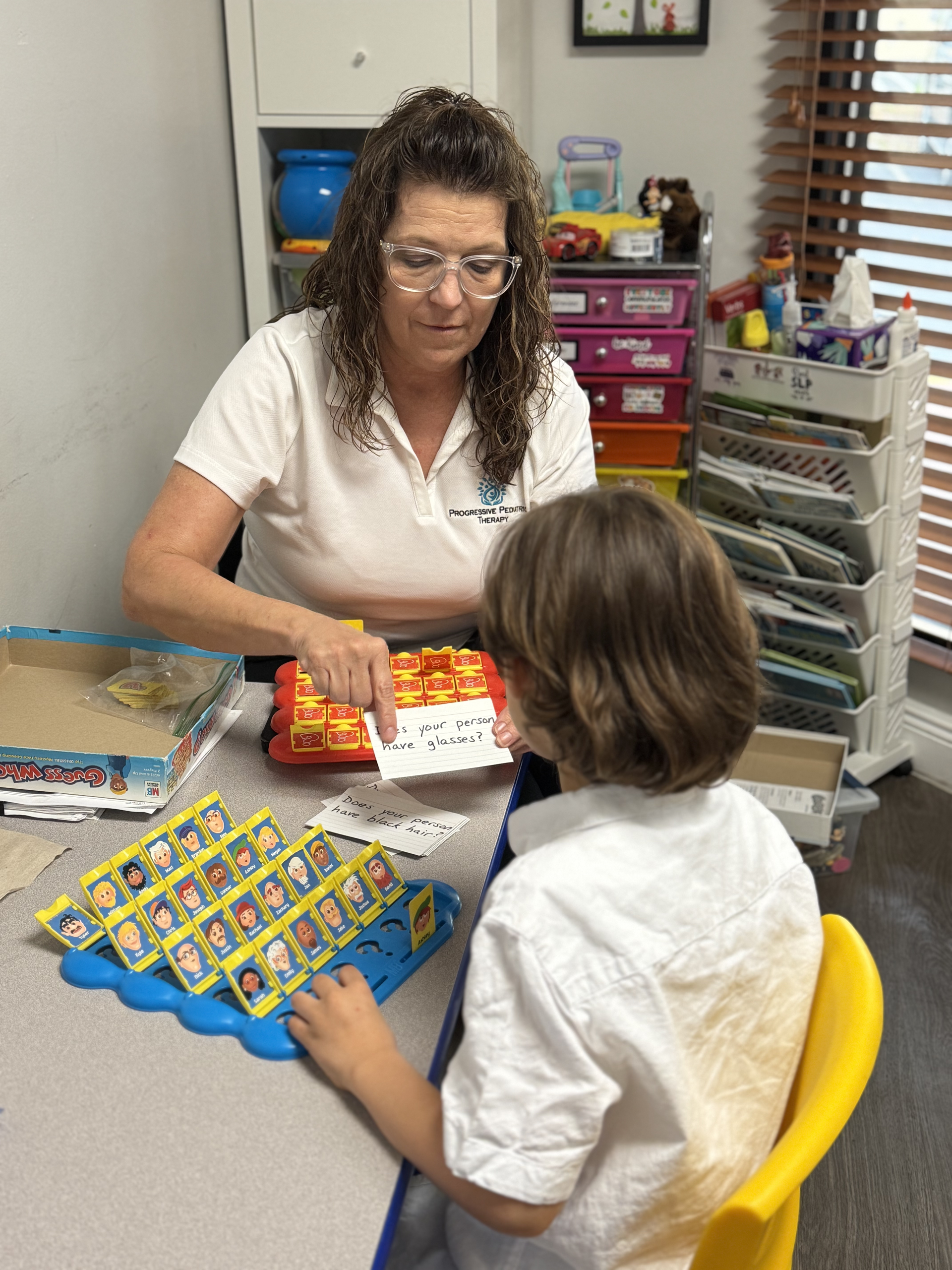
  • Play-Based Techniques: Young children learn best through play, so sessions are often fun, engaging, and filled with creativity.
  • Parent Involvement: SLPs partner with caregivers, sharing strategies that families can use at home, in school, and out in the community.
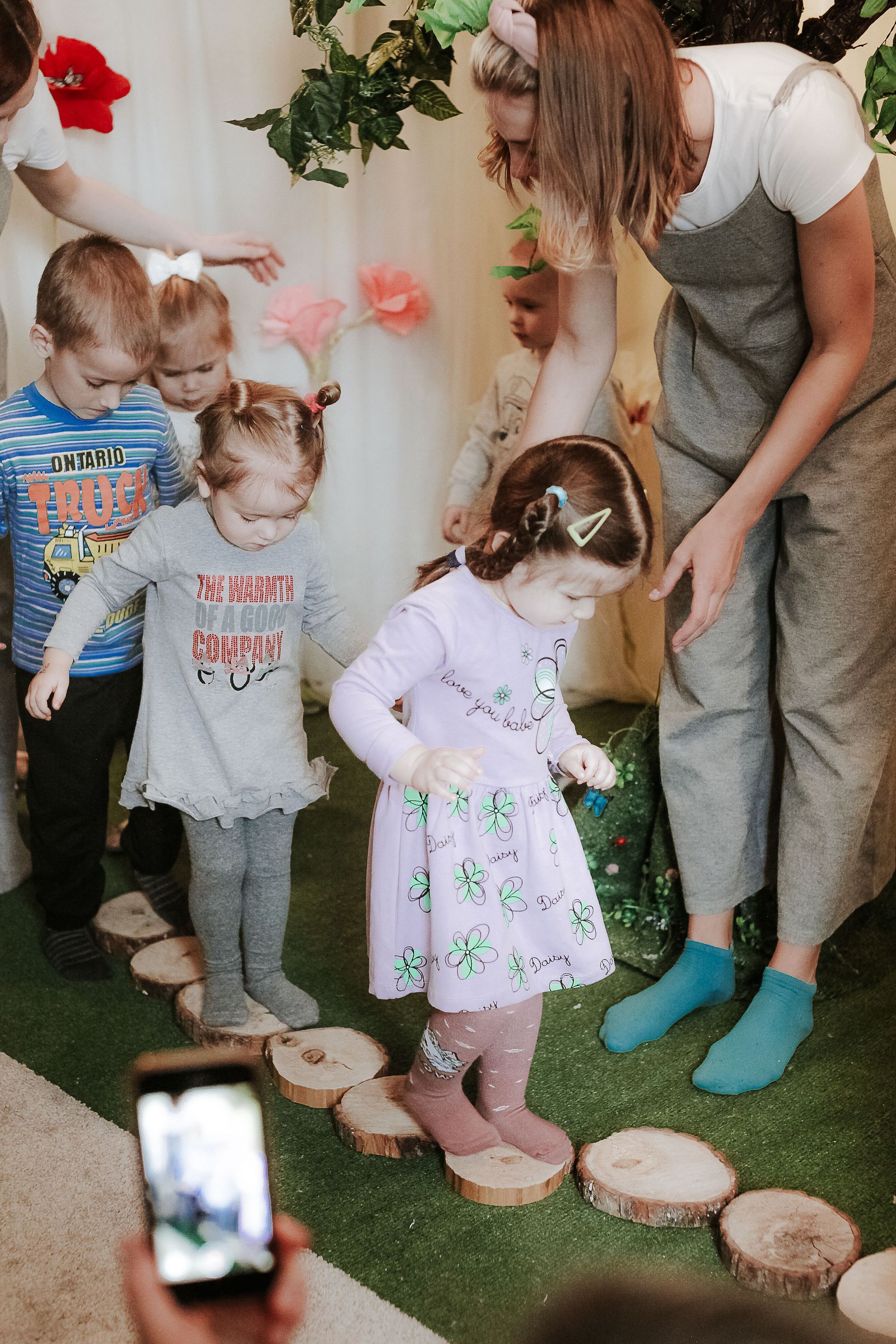
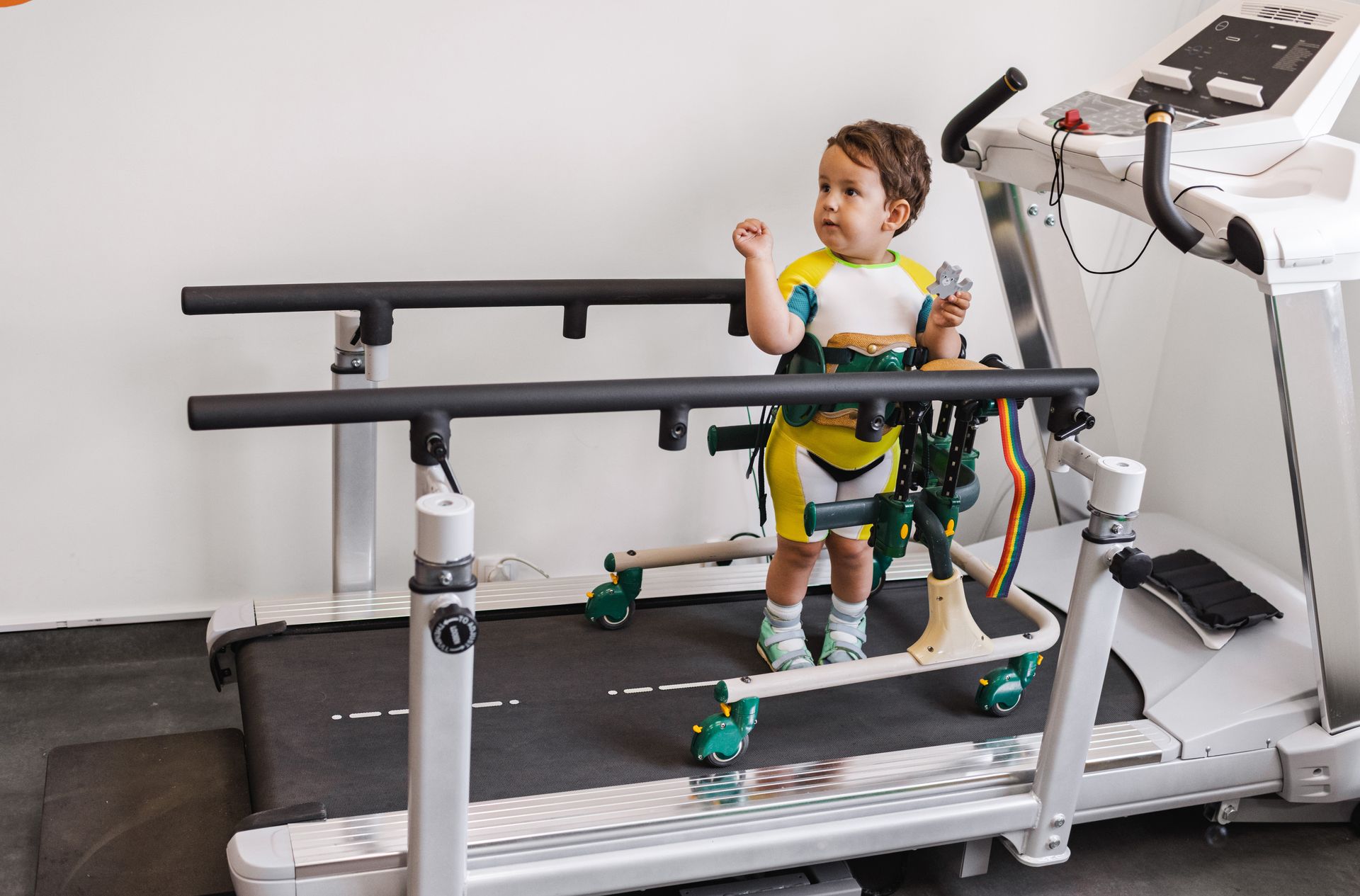
  • Holistic Support: Many children benefit from a collaborative approach, SLPs often work alongside occupational and physical therapists to support the whole child.

Why Early Intervention Matters

Did you know that communication disorders are among the most common childhood disabilities but also one of the most treatable? Early identification and therapy can greatly improve a child’s ability to communicate effectively, succeed in school, and build social relationships.


If you ever have concerns about your child’s speech or language development, don’t wait. Early support makes a big difference.

How to Celebrate Better Hearing and Speech Month

  • Observe and Support: Pay attention to your child’s communication milestones and seek help if you notice delays.
  • Get Involved: Participate in speech-friendly games and activities that encourage conversation and vocabulary-building.
  • Advocate for Access: Spread awareness about the importance of pediatric speech services and help other families find the support they need.
  • Thank an SLP! Take a moment to show appreciation to the professionals who help children grow their voices, literally and figuratively.

Our Commitment at Progressive Pediatric Therapy

At PPT, we’re proud to support children through their speech and language journeys every day. Our passionate team of Speech-Language Pathologists is here to empower your child with the tools and confidence they need to thrive.

We believe every child deserves the chance to be heard, understood, and celebrated, because communication is a cornerstone of connection and lifelong success.


Wondering if your child could benefit from speech therapy? Contact us today to schedule an evaluation. For more pediatric therapy insights, follow us on social media and subscribe to our blog!

By Aimee Brueck August 4, 2026
Many families today raise children in homes where more than one language is spoken. While this is a wonderful gift, it can also bring questions and concerns about speech and language development. Parents often wonder if learning multiple languages will confuse their child or delay speech. At Progressive Pediatric Therapy, our Bilingual Language Wellness Visit helps families understand what typical bilingual development looks like and provides practical strategies to nurture every language their child speaks with confidence.
By Aimee Brueck July 31, 2026
Every child experiences big emotions as they grow. Meltdowns, worries, sensory sensitivities, and difficulty with transitions are all part of learning how to navigate the world. For many parents, however, it can be hard to know what’s typical and when extra support might help. At Progressive Pediatric Therapy, our Social-Emotional Wellness Visit helps families better understand their child’s emotional development and provides practical strategies to support regulation, confidence, and calmer daily routines.
July 29, 2026
Many children with ADHD and dyslexia also have overlooked vision problems that make focus and reading harder. A 2026 research review examined whether virtual reality vision therapy for ADHD and dyslexia can help. Here is what the evidence shows, written for both parents and therapists, from the team at Progressive Pedi
Autism and Motor Skills: What New Exercise Research Shows
By Aimee Brueck July 24, 2026
A 2026 meta-analysis found structured exercise produced large gains in motor skills in autistic children. Here's what it means for parents and therapists.
By Aimee Brueck July 21, 2026
New research shows AAC can help young children build sentences, not just point to single words
Person in a motorized exoskeleton using a kiosk in a hospital hallway
By Mary B. Pengelley, PT, DPT, ATP July 18, 2026
Chapter 1: Why Do Some Children Use Standers?
By Aimee Brueck July 10, 2026
For many families, mealtime can feel more stressful than enjoyable. Parents often worry when their child suddenly refuses foods they used to love or insists on eating only a small handful of familiar items. At Progressive Pediatric Therapy, we understand how confusing and frustrating picky eating can feel. Our Feeding & Mealtime Wellness Visit helps families turn mealtime struggles into calm, confident routines where children can explore food without pressure and parents can feel supported.
By Aimee Brueck July 3, 2026
In today’s tech-filled world, many parents notice the same pattern at home: when there’s a quiet moment, children often reach for a screen. While technology can be helpful in moderation, play remains one of the most important ways children grow, connect, and learn about the world. At Progressive Pediatric Therapy, our Play Development Wellness Visit helps families understand how play develops and provides simple, practical strategies to encourage creativity, independence, and connection—without the daily battles over screen time.
By Aimee Brueck June 26, 2026
For many families, learning to ride a bike is one of childhood’s biggest milestones.It represents freedom, confidence, independence, and fun.But for some children, bike riding can also feel frustrating, scary, or overwhelming. Parents often wonder:
By Aimee Brueck June 24, 2026
In today’s digital world, children are spending more time typing, tapping, and swiping, and less time writing by hand. Many parents notice the effects quickly.