Supporting Growth with Turtle Bracing: Custom Orthotic Care for Kids

Aimee Brueck • August 7, 2025

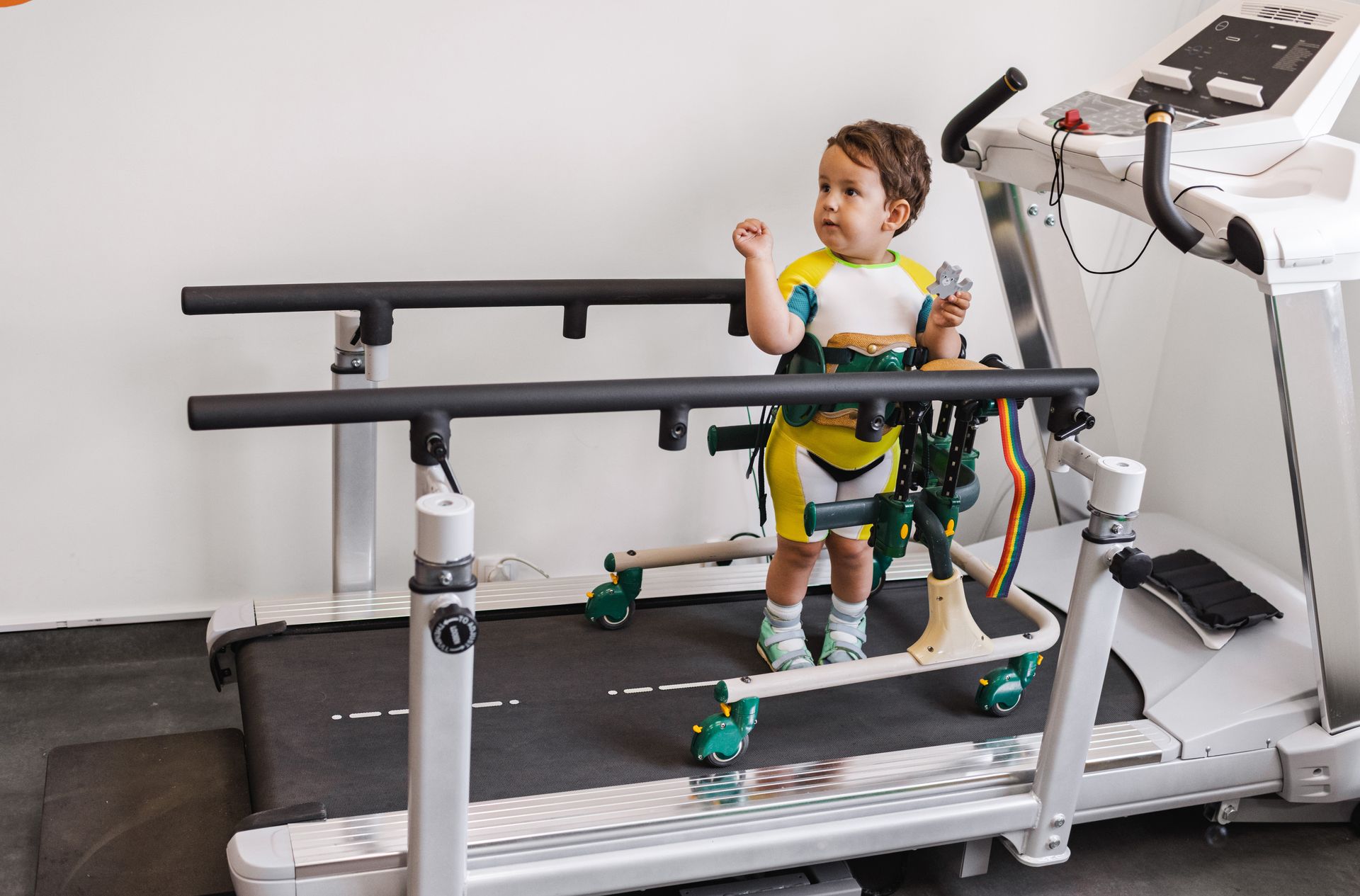
Children grow quickly, and with that growth come unique physical needs. Whether it’s posture, mobility, or muscle support, some children benefit from an extra layer of help to move, play, and thrive confidently. At Progressive Pediatric Therapy, we offer Turtle Bracing: a lightweight, flexible orthotic solution designed to support growing bodies in motion

Let’s explore how Turtle Bracing works and why it’s a game-changer for kids and families seeking comfort, movement, and independence.

Why Consider Orthotic Support?

Orthotic support isn't about limiting your child, it's about unlocking potential. For children with motor challenges, low or high tone, or postural imbalances, the right brace can make everyday tasks easier and more successful. The goal? Better alignment, more effective therapy, and improved participation in daily life.

That’s where Turtle Bracing comes in.

What Is Turtle Bracing?

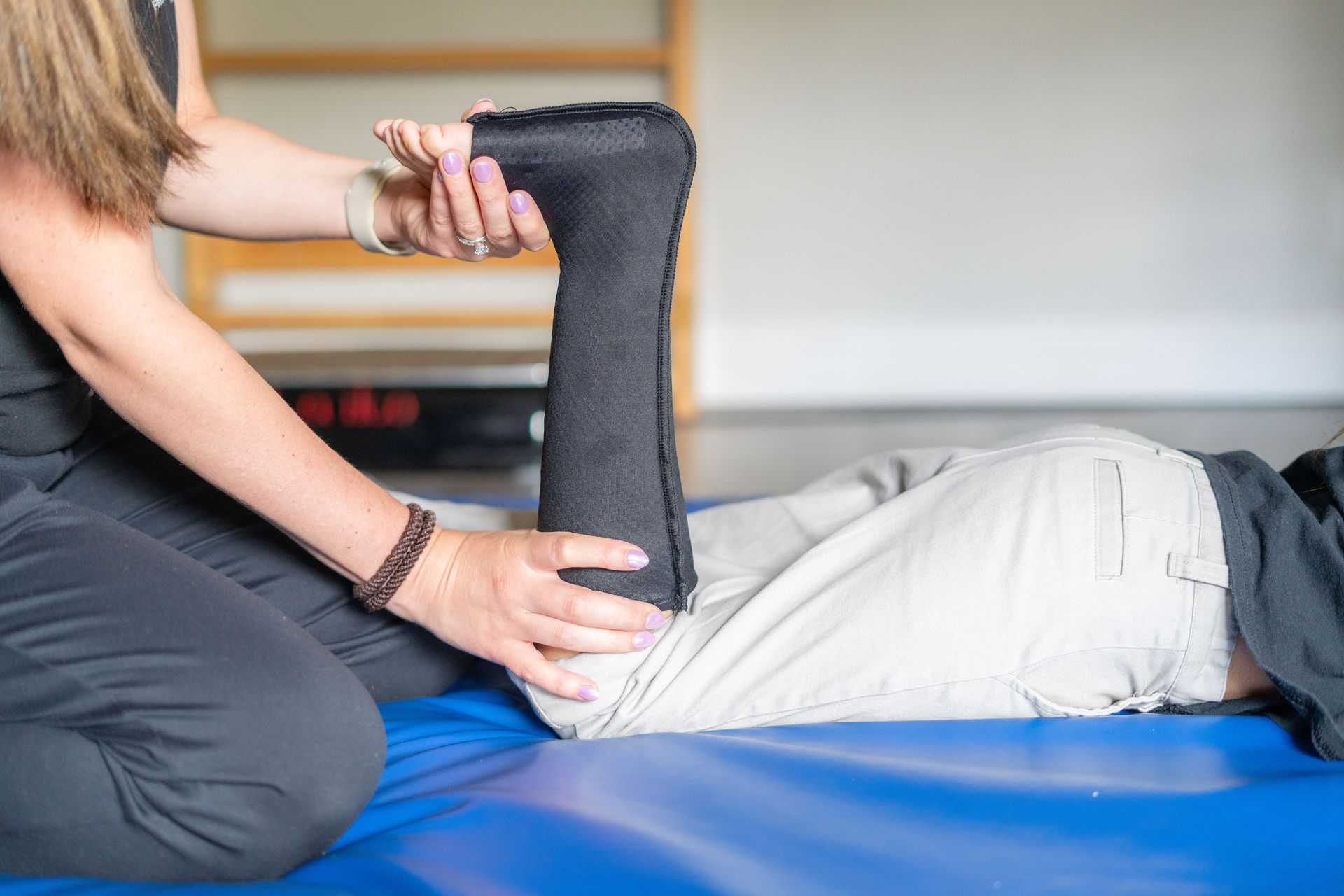
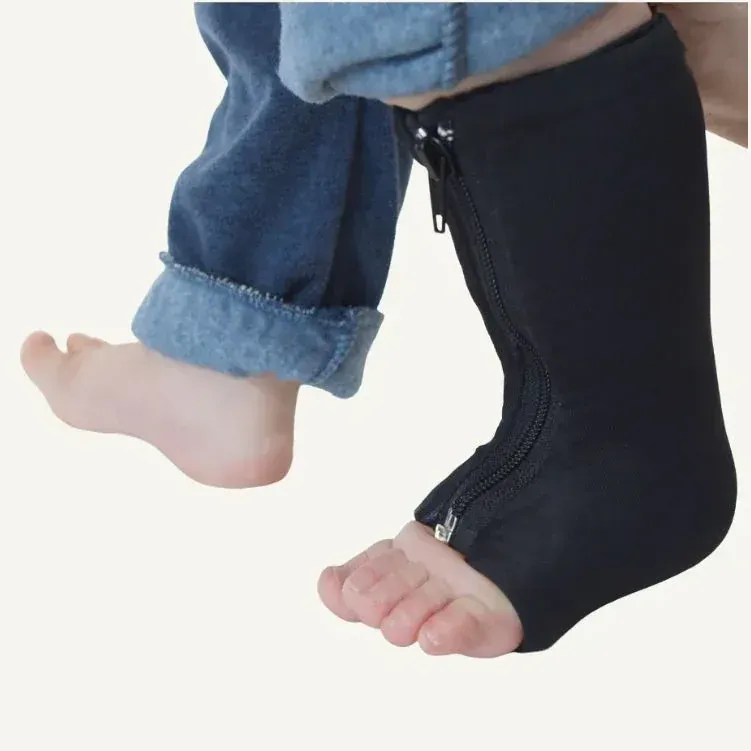
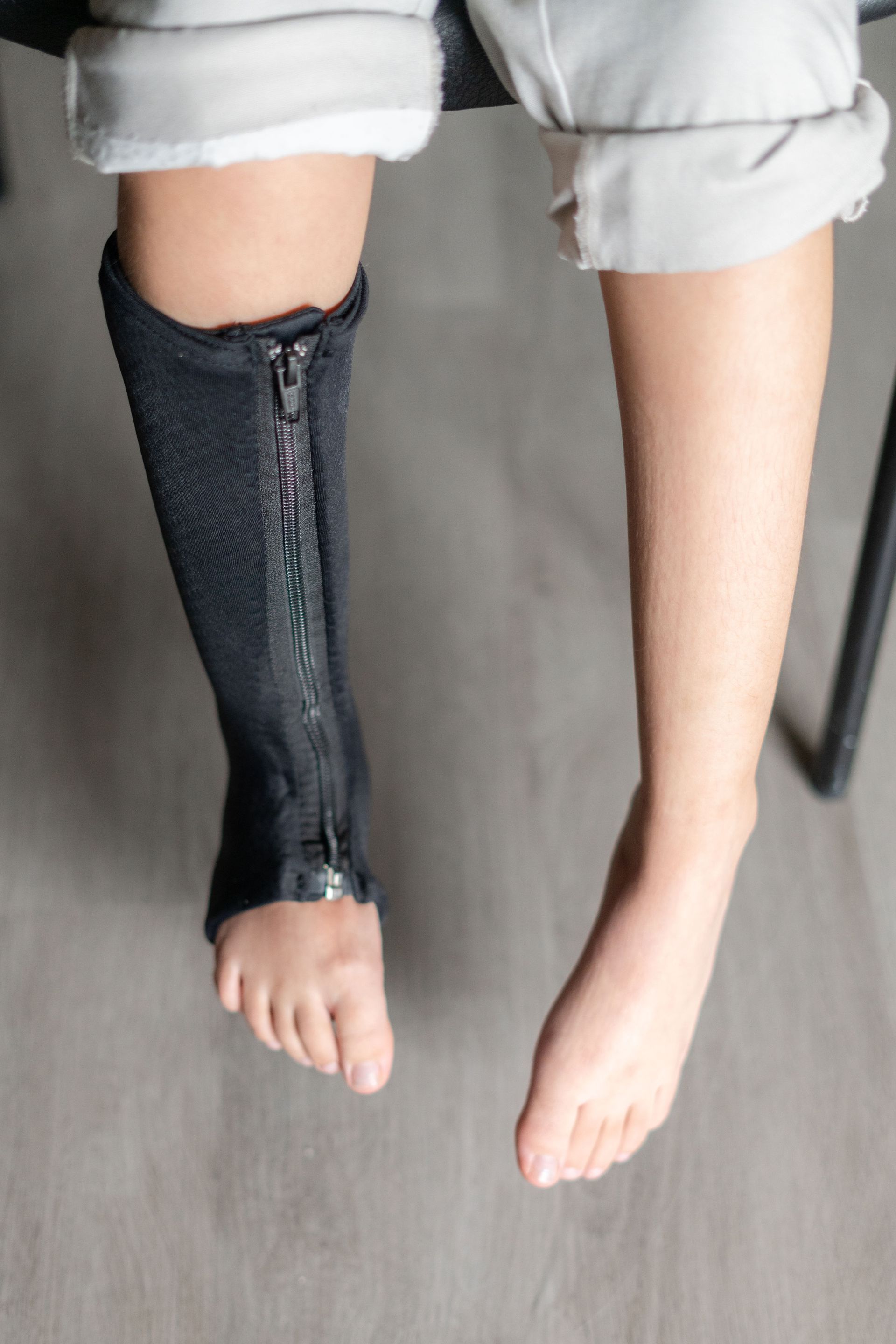
Turtle Bracing is a fully customizable pediatric orthotic system developed by Turtlebrace®. Unlike traditional rigid braces, Turtle Braces are designed to move with your child while still offering the structure they need.

Depending on your child’s needs, Turtle Braces can support:

  • Spine or trunk – for posture, scoliosis, or core alignment
  • Elbows and wrists – for joint positioning or neuromuscular support
  • Ankles – for mobility, tone management, or gait correction

Each brace is custom-molded to your child’s body to ensure both precision and comfort.

Benefits That Move With Your Child

Turtle Bracing is loved by therapists and families alike, and for good reason:

  • Lightweight and breathable for all-day comfort
  • Flexible fit that allows movement and play
  • Custom-molded to your child’s exact needs
  • Easy to adjust as your child grows or therapy goals change
  • Integrates seamlessly into therapy sessions and routines
  • Removable - great for hygiene and therapy breaks

The result? A brace your child actually wants to wear and one that supports real, functional progress.

Who Can Benefit?

Turtle Bracing may be recommended for children who:

Not sure if Turtle Bracing is right for your child? Our therapy team will help you explore the best fit based on your child’s needs and goals.

Turtle Bracing vs. Serial Casting: What’s the Difference?

Both Turtle Bracing and serial casting aim to improve alignment and movement—but they work differently.

Feature Turtle Bracing Serial Casting
Removability Yes - Removable for hygiene and therapy No - Stays on until replaced
Adjustability Easily remodeled by therapists Requires complete re-casting
Comfort Lightweight, breathable Rigid and enclosed
Best For Active kids, therapy integration Short-term ROM gains or muscle lengthening

What to Expect with Turtle Bracing

We believe orthotic success starts with a collaborative, therapy-led process. Here’s how it works at PPT:

  1. Comprehensive Evaluation
    Our therapy team assesses your child’s needs, movement patterns, and goals.

  2. Custom Fitting
    We work with trusted orthotists to mold the brace precisely to your child’s body.

  3. Therapy Integration
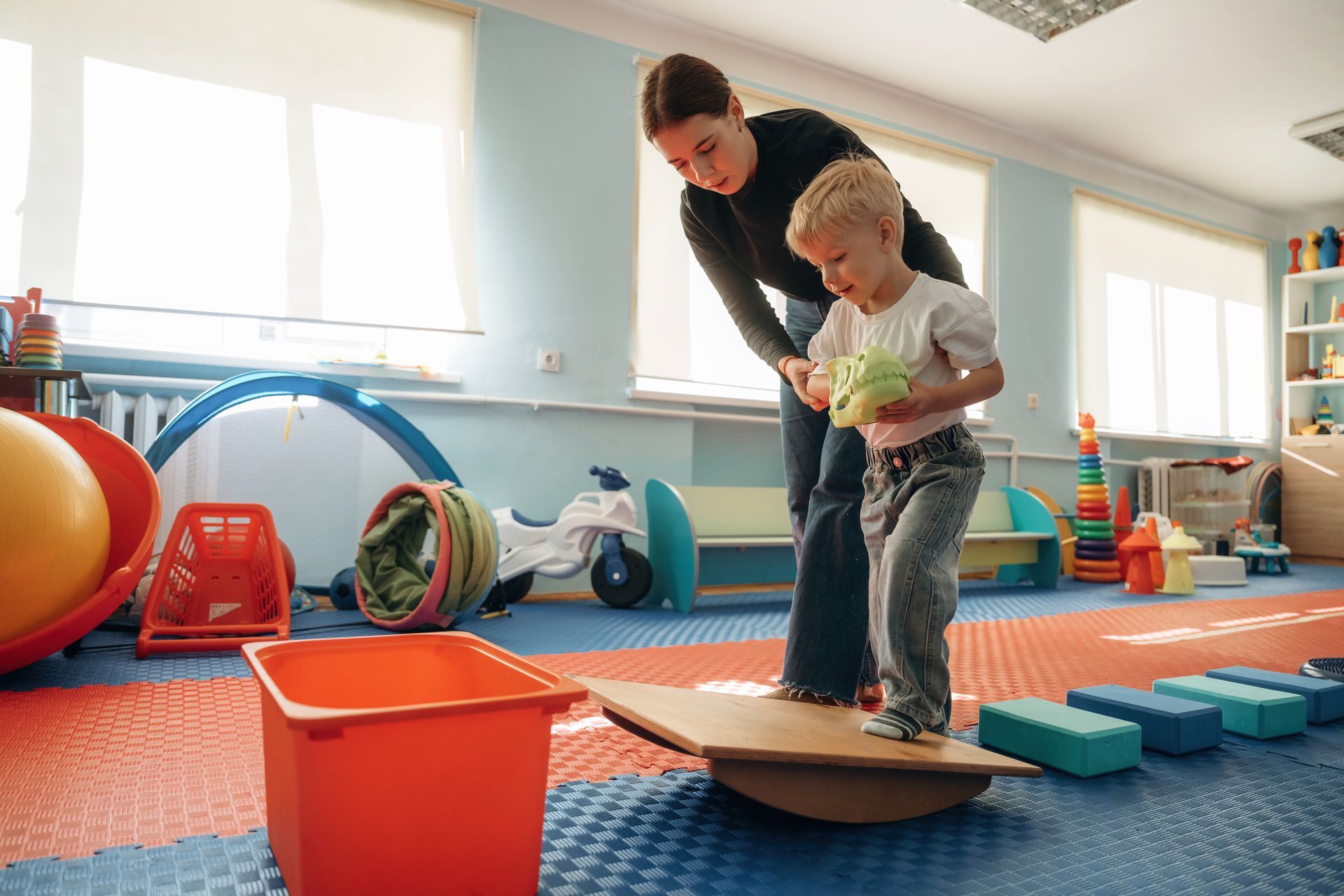
    The brace becomes part of therapy to promote alignment, mobility, and independence.

  4. Ongoing Support
    We provide education and adjustments to ensure your child continues to benefit as they grow.

Our goal is to make orthotic care not just effective but empowering.

Supporting Growth, One Step at a Time

When the right orthotic tool meets the right therapeutic approach, children can make meaningful progress in strength, posture, and confidence. Turtle Bracing is more than a device, it's part of a bigger plan to help your child move through the world with comfort and capability.

Want to learn more?

Visit our Turtle Bracing page to explore how we support growing bodies step by step.

Turtle Bracing
By Aimee Brueck August 4, 2026
Many families today raise children in homes where more than one language is spoken. While this is a wonderful gift, it can also bring questions and concerns about speech and language development. Parents often wonder if learning multiple languages will confuse their child or delay speech. At Progressive Pediatric Therapy, our Bilingual Language Wellness Visit helps families understand what typical bilingual development looks like and provides practical strategies to nurture every language their child speaks with confidence.
By Aimee Brueck July 31, 2026
Every child experiences big emotions as they grow. Meltdowns, worries, sensory sensitivities, and difficulty with transitions are all part of learning how to navigate the world. For many parents, however, it can be hard to know what’s typical and when extra support might help. At Progressive Pediatric Therapy, our Social-Emotional Wellness Visit helps families better understand their child’s emotional development and provides practical strategies to support regulation, confidence, and calmer daily routines.
July 29, 2026
Many children with ADHD and dyslexia also have overlooked vision problems that make focus and reading harder. A 2026 research review examined whether virtual reality vision therapy for ADHD and dyslexia can help. Here is what the evidence shows, written for both parents and therapists, from the team at Progressive Pedi
Autism and Motor Skills: What New Exercise Research Shows
By Aimee Brueck July 24, 2026
A 2026 meta-analysis found structured exercise produced large gains in motor skills in autistic children. Here's what it means for parents and therapists.
By Aimee Brueck July 21, 2026
New research shows AAC can help young children build sentences, not just point to single words
Person in a motorized exoskeleton using a kiosk in a hospital hallway
By Mary B. Pengelley, PT, DPT, ATP July 18, 2026
Chapter 1: Why Do Some Children Use Standers?
By Aimee Brueck July 10, 2026
For many families, mealtime can feel more stressful than enjoyable. Parents often worry when their child suddenly refuses foods they used to love or insists on eating only a small handful of familiar items. At Progressive Pediatric Therapy, we understand how confusing and frustrating picky eating can feel. Our Feeding & Mealtime Wellness Visit helps families turn mealtime struggles into calm, confident routines where children can explore food without pressure and parents can feel supported.
By Aimee Brueck July 3, 2026
In today’s tech-filled world, many parents notice the same pattern at home: when there’s a quiet moment, children often reach for a screen. While technology can be helpful in moderation, play remains one of the most important ways children grow, connect, and learn about the world. At Progressive Pediatric Therapy, our Play Development Wellness Visit helps families understand how play develops and provides simple, practical strategies to encourage creativity, independence, and connection—without the daily battles over screen time.
By Aimee Brueck June 26, 2026
For many families, learning to ride a bike is one of childhood’s biggest milestones.It represents freedom, confidence, independence, and fun.But for some children, bike riding can also feel frustrating, scary, or overwhelming. Parents often wonder:
By Aimee Brueck June 24, 2026
In today’s digital world, children are spending more time typing, tapping, and swiping, and less time writing by hand. Many parents notice the effects quickly.