Simple Backyard Games That Support Gross Motor Development

July 3, 2025

July brings long sunny days, school-free schedules, and endless opportunities for play, but for many families, it’s also a chance to focus on something essential: physical development through movement. Summer play isn’t just fun; it’s foundational. It helps children build strength, coordination, and confidence especially when it supports gross motor development.

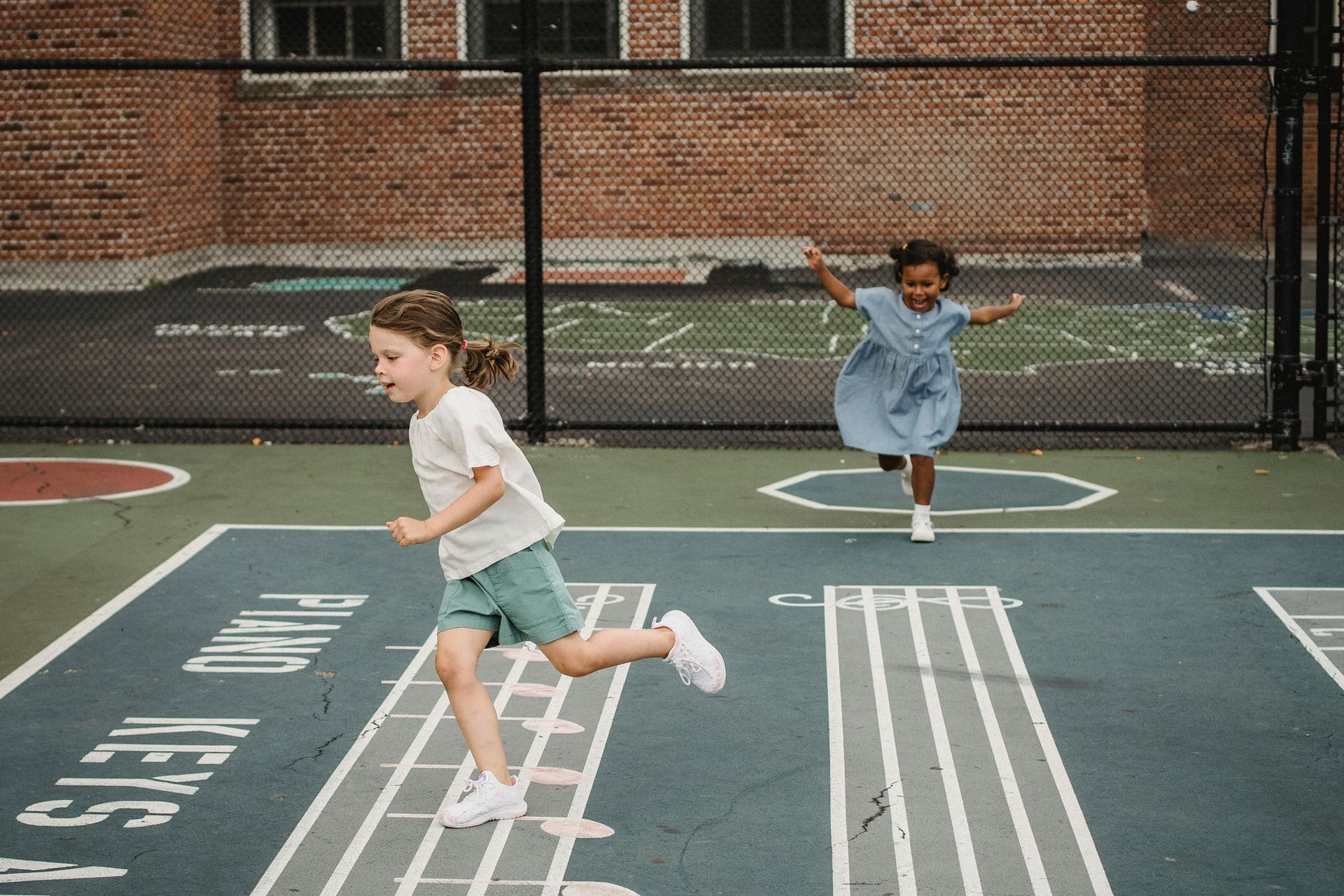
Two little girls are running on a basketball court.

What Is Gross Motor Development?

Gross motor development  refers to the growth and strengthening of the large muscles in the body that enable children to perform everyday functions such as walking, running, jumping, and climbing. These movements are key to a child’s physical health, coordination, and independence.

Over time, gross motor skills lay the foundation for more complex tasks like riding a bike, playing sports, and even sitting upright in class. Encouraging active outdoor play during the summer is one of the best ways to support these skills naturally.

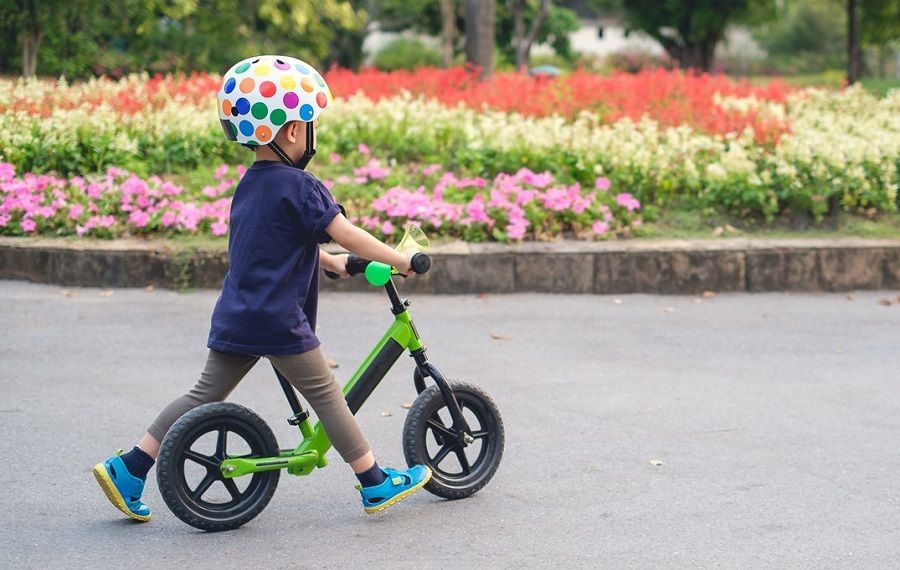
A young boy wearing a helmet is riding a balance bike.

The Power of Play: Why Backyard Games Matter

While structured exercise has its place, the beauty of childhood movement lies in its simplicity. Games like tag, hopscotch, and homemade obstacle courses turn basic motor skills into exciting adventures (no screens, no pressure, just movement and fun!)

These simple games challenge balance, coordination, agility, and strength all without kids even realizing they’re building essential developmental skills.

3 Easy Backyard Games That Boost Gross Motor Skills

1. Tag (Classic, Freeze, or Shadow Tag)

Tag is more than just a playground favorite it encourages sprinting, directional changes, and awareness of space and others. It’s a cardio workout disguised as fun, and it sharpens reflexes, too!

2. Hopscotch

This sidewalk game supports single-leg balance, coordination, and even early number recognition. Drawing it with chalk turns it into a mini art project first (bonus points for creativity).

3. Mini Obstacle Courses

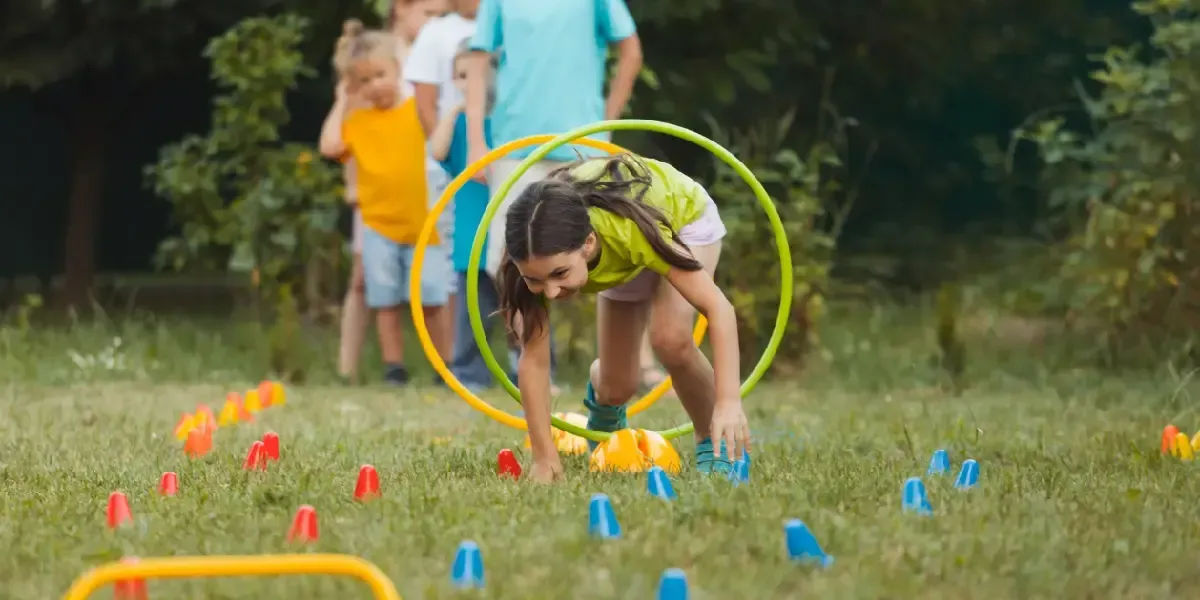
Use cones, pool noodles, hula hoops, or even household items to create a kid-friendly challenge. Crawling under, jumping over, or zig-zagging through obstacles builds core strength, spatial awareness, and confidence.

Movement That Builds More Than Muscles

Gross motor play doesn’t just support physical strength, it enhances brain development, improves focus, and fosters social skills. Taking turns, following rules, and working as a team all build emotional and cognitive growth.

Backyard play is a low-pressure environment where kids can make mistakes, try again, and succeed on their own terms.

How PPT Supports Gross Motor Growth

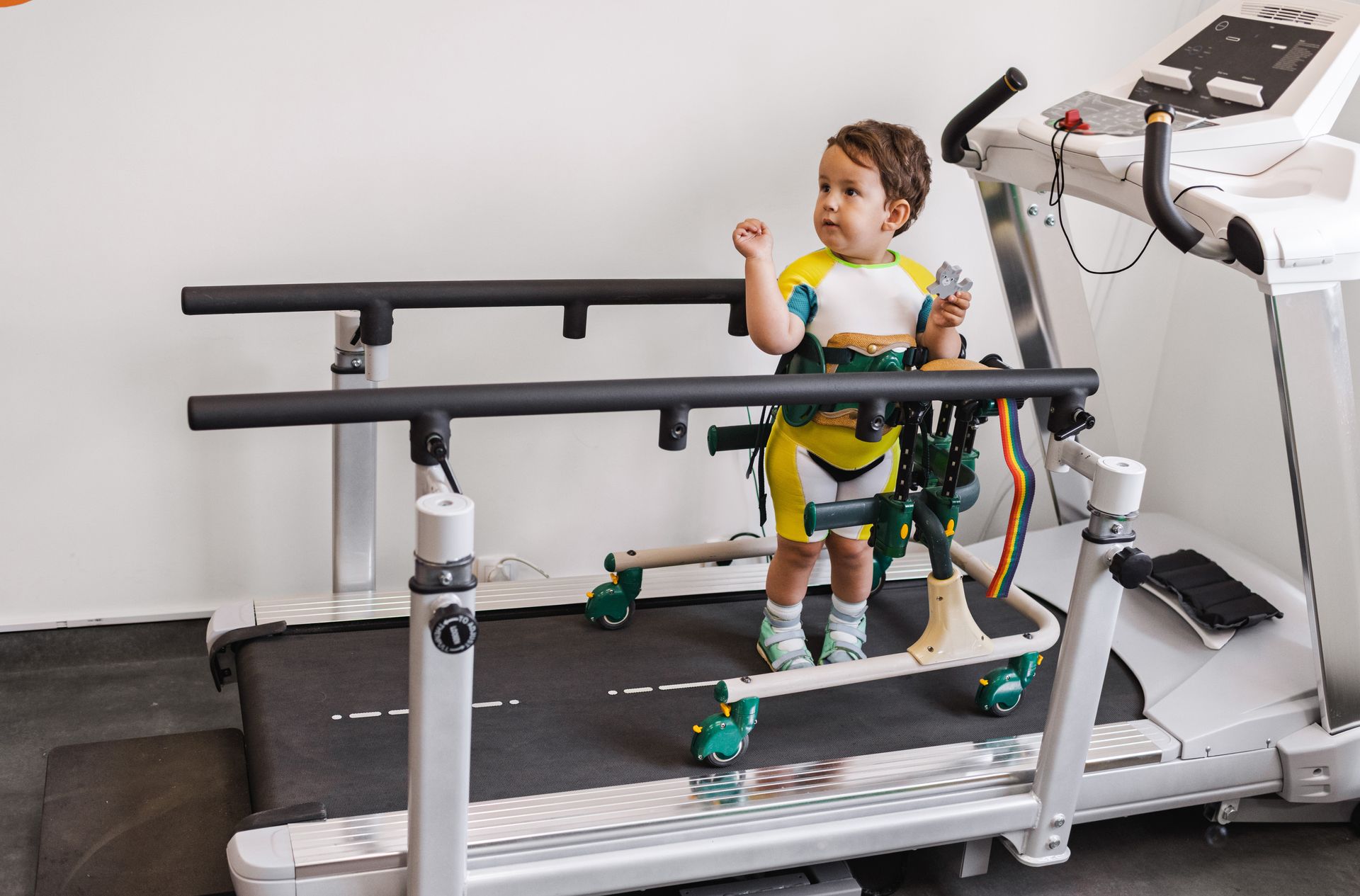
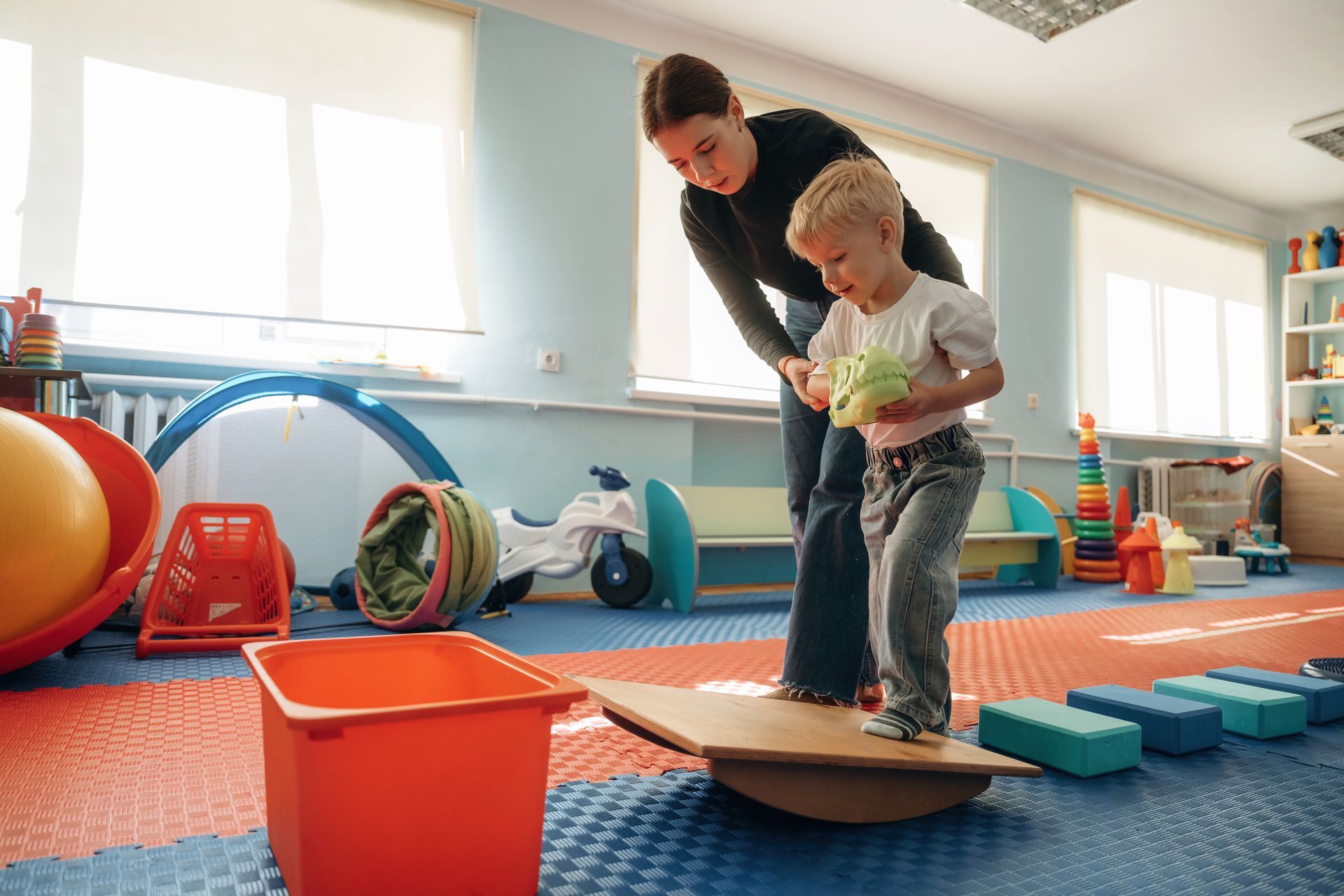
At Progressive Pediatric Therapy, we champion the power of movement to transform lives. Through physical and occupational therapy, we help children develop gross motor skills that improve their quality of life, both at home and in school.

Whether your child needs support with coordination, strength, or motor planning, our team builds individualized therapy plans to help every child thrive.

A girl is playing with a hula hoop in the grass.

How You Can Encourage Gross Motor Play at Home

  • Dedicate time for active outdoor play each day
  • Join in! Kids love when adults play too
  • Rotate games to keep things fresh and fun
  • Celebrate effort and progress, not just performance
  • Incorporate movement into daily routines (e.g., hopping to the dinner table)

Our Commitment at Progressive Pediatric Therapy

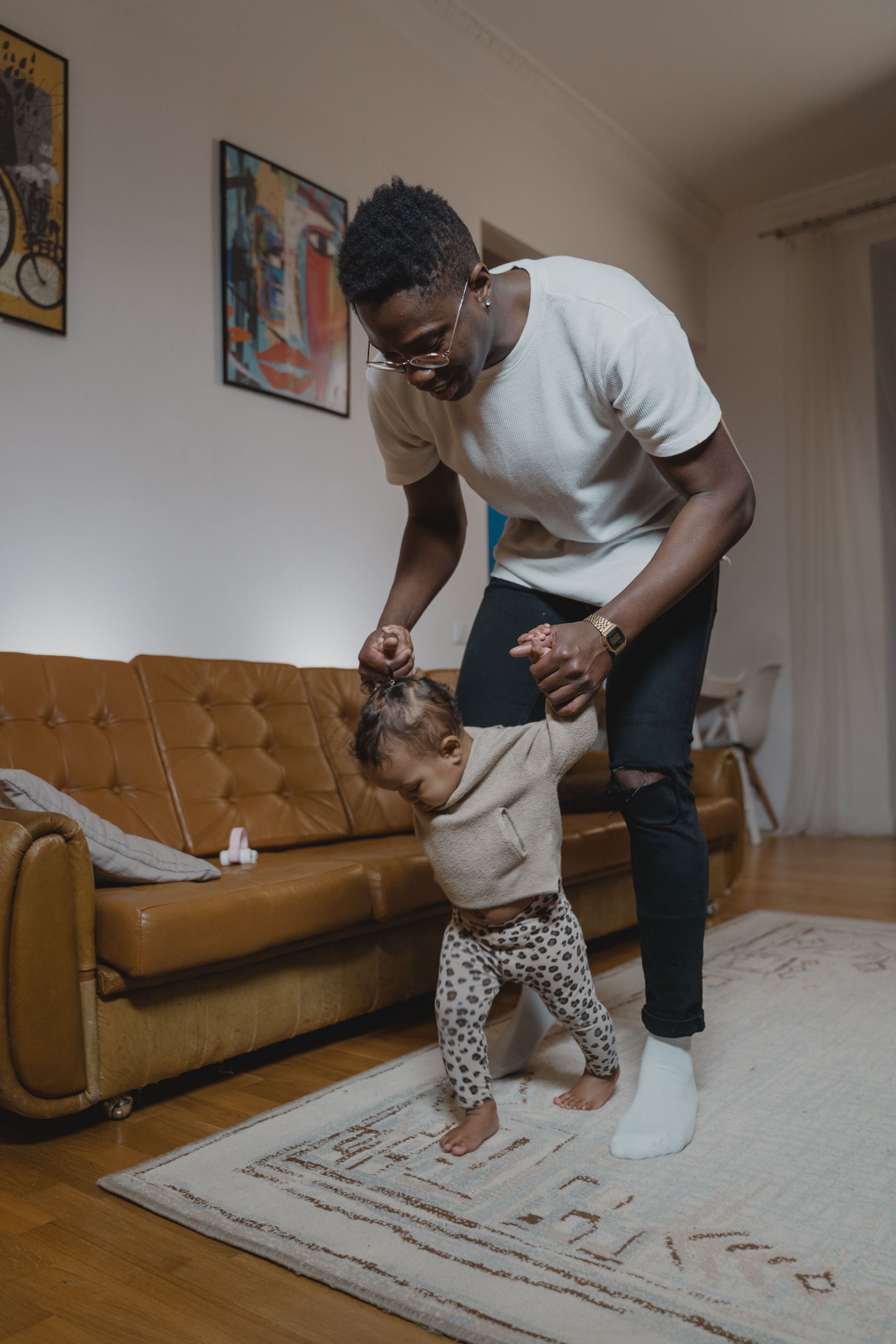
At PPT, we believe in using joyful, purposeful movement to empower kids. From helping a toddler take their first steps to supporting a young athlete’s recovery, we’re here for every stage of gross motor development.

Wondering if your child could benefit from gross motor support?

Contact us to schedule an evaluation with one of our experienced pediatric therapists.

For more therapy tips, kid-friendly activities, and developmental insights, follow us on social media!

By Aimee Brueck March 27, 2026
Continuing education is essential for pediatric occupational therapists who want to stay current with evidence-based practices, maintain licensure, and deliver the best outcomes for children and families.
By Aimee Brueck March 18, 2026
In today’s technology-driven world, many children are moving less than previous generations. While screens and busy schedules can make life easier in some ways, they also mean fewer opportunities for children to build the movement skills their bodies need.
February 25, 2026
At Progressive Pediatric Therapy, our commitment to helping families doesn’t stop at the therapy session door. Whether you’re seeking extra guidance as a current client or exploring ways to support your child’s development before pursuing therapy, we’re here to help. That’s where Parent Coaching and Wellness Visits come in. Two supportive, expert-led programs created to empower families with clarity, confidence, and practical strategies for real life.
By Aimee Brueck November 14, 2025
Every baby’s journey is unique, but for families of premature infants, early development often looks and feels a little different. If your baby was born before 37 weeks of pregnancy, they’re considered “preterm” — and you’re not alone. Nearly 1 in 10 babies worldwide are born prematurely each year.
By Aimee Brueck October 22, 2025
Continuing education is essential for pediatric therapists to stay current with best practices, support licensure renewal, and deliver the best outcomes for their young clients. But with so many CEU options online, it can be hard to know which ones are worth your time, and your budget.
By Aimee Brueck October 10, 2025
At Progressive Pediatric Therapy, we know that every child’s feeding journey is unique. Some children may struggle with sensory issues, oral motor delays, or behavioral challenges that affect how they eat. That’s why feeding therapy isn’t a one-size-fits-all solution, instead it involves a blend of specialized approaches tailored to each child’s specific needs.
By Aimee Brueck September 18, 2025
Choosing the right pair of shoes for your child isn’t just about style, it’s about supporting their growing feet with the stability, comfort, and structure they need. Whether your child has orthotic needs, sensory sensitivities, or simply needs reliable footwear for school and play, finding pediatric therapist-recommended shoes can make all the difference.
By Aimee Brueck August 25, 2025
This is a lesser-known eating disorder compared to anorexia or bulimia. It is known by its English acronym ARFID (Avoidant/Restrictive Food Intake Disorder). ARFID is characterized by very limited eating, either due to avoidance of certain tastes, textures, colors, smells, or an intense fear of the consequences of eating (such as choking or vomiting). ARFID is not related to body image or a desire to lose weight. ARFID affects the child’s social life—it’s not simply a phase of being a “picky eater.”
By Aimee Brueck August 25, 2025
Esto es un trastorno menos conocido como la anorexia o la bulimia. Esto es conocido por sus siglas en inglés como ARFID (Avoidant/Restrictive Food Intake Disorder). El ARFID es caracterizado por una alimentación muy limitada, ya sea por la evitación de ciertos sabores, texturas, colores, olores o por un miedo intenso a las consecuencias de comer (como atragantarse o vomitar). ARFID no está relacionado con la imagen corporal ni el deseo de adelgazar. EL ARFID afecta la vida social del niño, no es simplemente una etapa de "comer selectivo"
By Aimee Brueck August 7, 2025
Children grow quickly, and with that growth come unique physical needs. Whether it’s posture, mobility, or muscle support, some children benefit from an extra layer of help to move, play, and thrive confidently. At Progressive Pediatric Therapy, we offer Turtle Bracing : a lightweight, flexible orthotic solution designed to support growing bodies in motion