July brings warm days, end-of-summer excitement, and for many families, the first signs of back-to-school prep. If your child is heading to kindergarten this fall, now is the perfect time to start building their confidence with handwriting. At Progressive Pediatric Therapy, we use the
Handwriting Without Tears program to support early writers in a fun, low-pressure way that’s grounded in child development and
occupational therapy expertise.
Why Handwriting Readiness Matters for Kindergarten
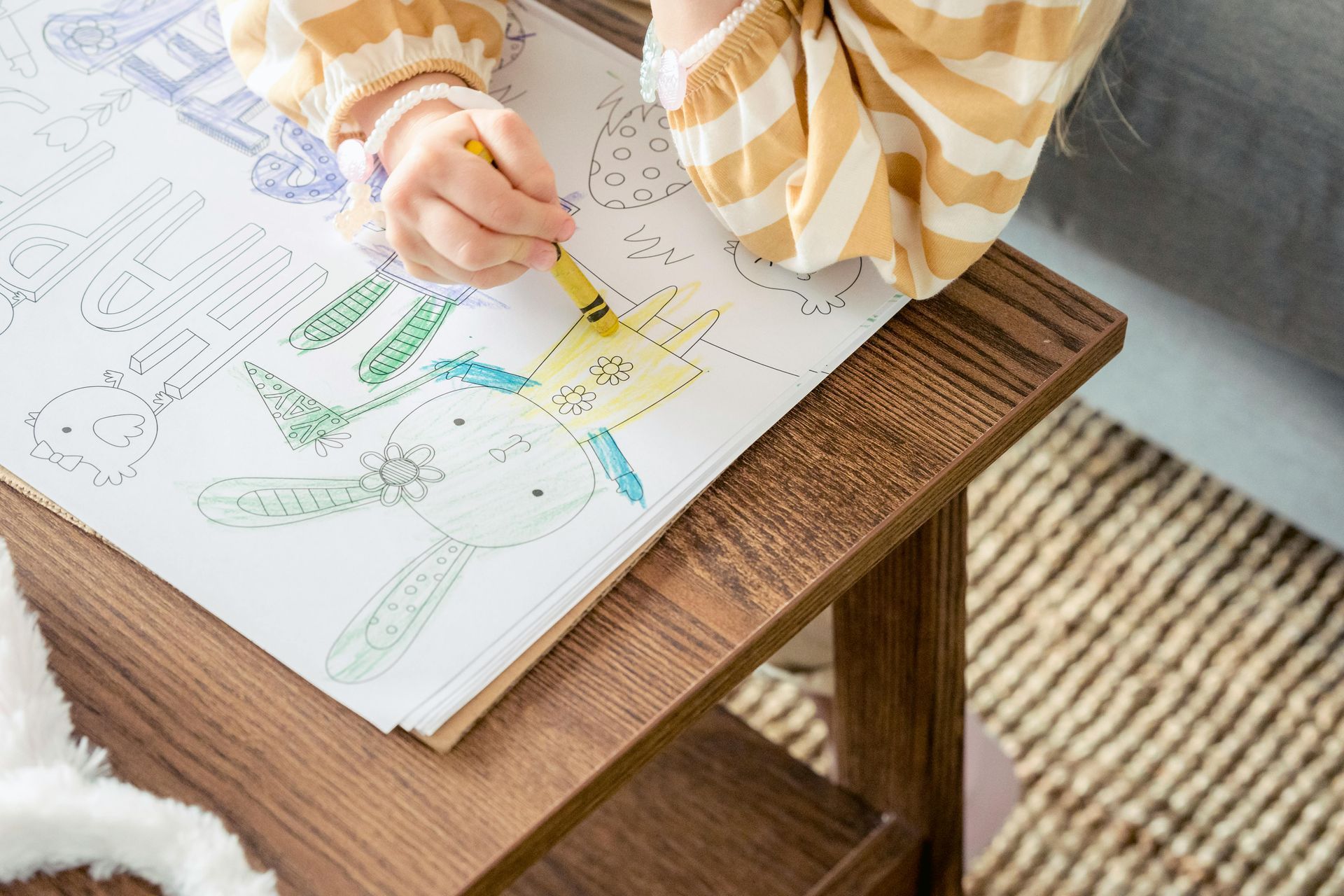
Handwriting isn’t just about forming letters, it’s about developing
fine motor strength, coordination, visual-motor skills, posture, and confidence. These skills set the stage for success in the classroom, especially as young learners are asked to draw, color, and write more frequently.
When children feel capable and confident in their writing, they’re more likely to engage in learning activities and feel successful from day one.
What Is Handwriting Without Tears?
Handwriting Without Tears is a hands-on, multi-sensory curriculum designed to make handwriting easy to learn and fun to teach. It’s a wonderful complement to
occupational therapy and is especially effective for children who may struggle with:
The program uses a combination of
visual, tactile, auditory, and kinesthetic activities to help children build skills like proper letter formation, posture, pencil grasp, and neatness, all in a developmentally appropriate way.
Our therapists at PPT4Kids are certified and trained in
Handwriting Without Tears and personalize lessons to each child’s needs and strengths.
Signs Your Child Might Benefit from Support
- Struggles to hold a crayon or pencil correctly
- Fatigues easily during fine motor tasks
- Avoids drawing or writing activities
- Produces illegible or inconsistent letter shapes
- Has difficulty sitting upright or focusing on writing tasks
They may benefit from handwriting-focused occupational therapy. These challenges could also be signs of
dysgraphia, a learning disability that impacts writing ability, spelling, and the organization of written thoughts.
July Activities to Support Writing Skills at Home
You don’t need to replicate a classroom to build strong pre-writing skills this summer. Try these easy, playful activities:
- Play Dough Letters – Roll and shape letters to build
hand strength
- Chalkboard Tracing – Write with wet sponges and chalk to engage tactile learning
- Vertical Writing – Use an easel or tape paper to the wall to improve posture and control
- Wood Piece Letters – Create letters using sticks or craft sticks to mimic the Handwriting Without Tears approach
These low-stress activities keep kids engaged and build the foundations for writing fluency.
Our Approach at Progressive Pediatric Therapy
At PPT, we tailor handwriting support to each child’s individual needs and learning style. Whether we’re working on trunk control, pencil grasp, or developing confidence, we use certified Handwriting Without Tears methods to make progress feel natural and rewarding.
- Increase
fine motor development
- Improve letter recognition and formation
- Support age-appropriate grasping techniques
- Develop good posture and sitting habits
- Enhance social participation through
classroom readiness
A Note for Parents: Progress Over Perfection
Your child doesn’t need to master handwriting before the first day of school. What matters most is that they feel
comfortable, curious, and empowered to try. Every scribble, drawing, and chalk line is a step forward.
Is Your Child Starting Kindergarten This Fall?
Our occupational therapists use the
Handwriting Without Tears program to help young learners develop handwriting skills that are fun, functional, and frustration-free.
Contact us today to schedule a handwriting screening or therapy session this summer.
Follow us on social media for more pediatric therapy tips and tools!