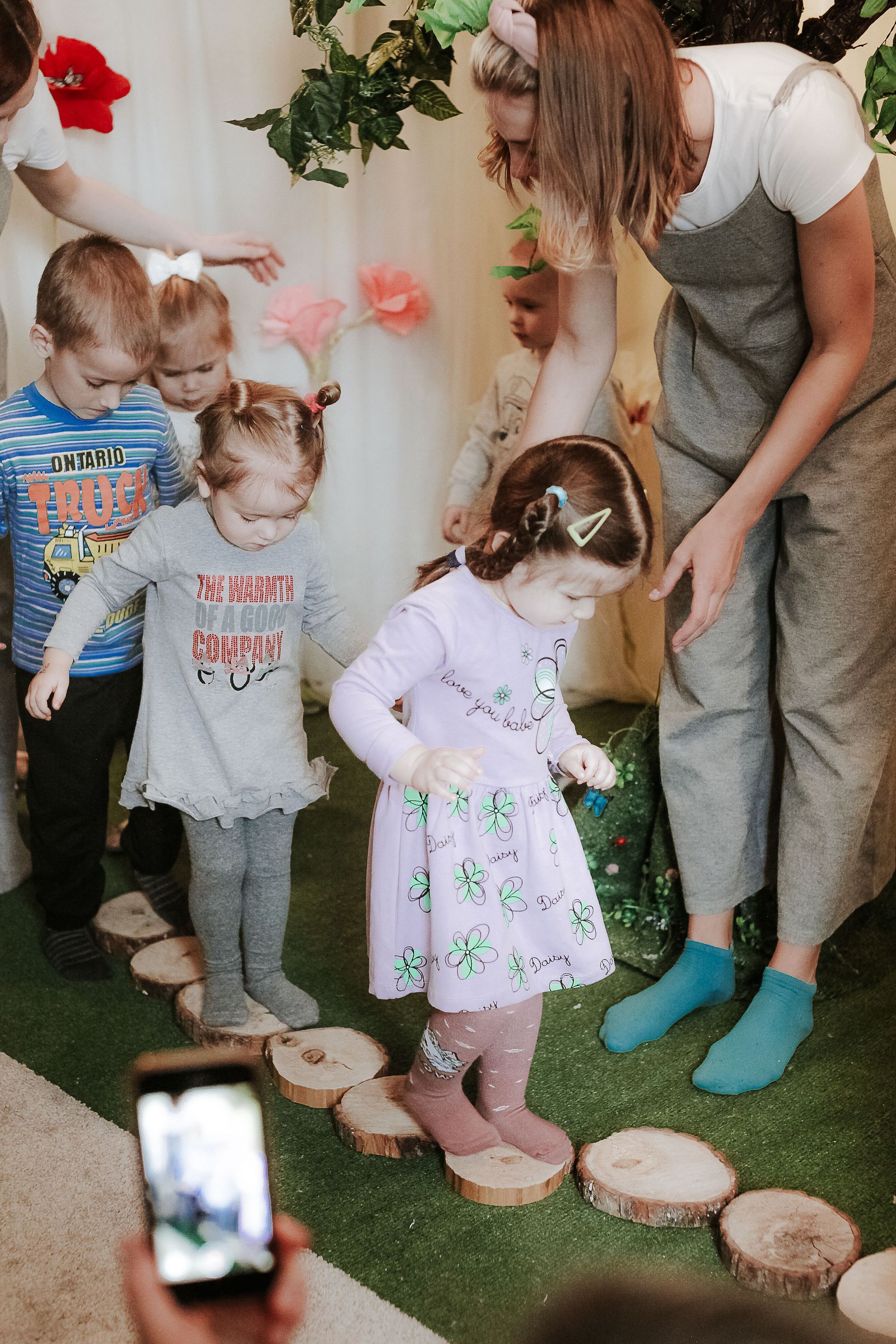
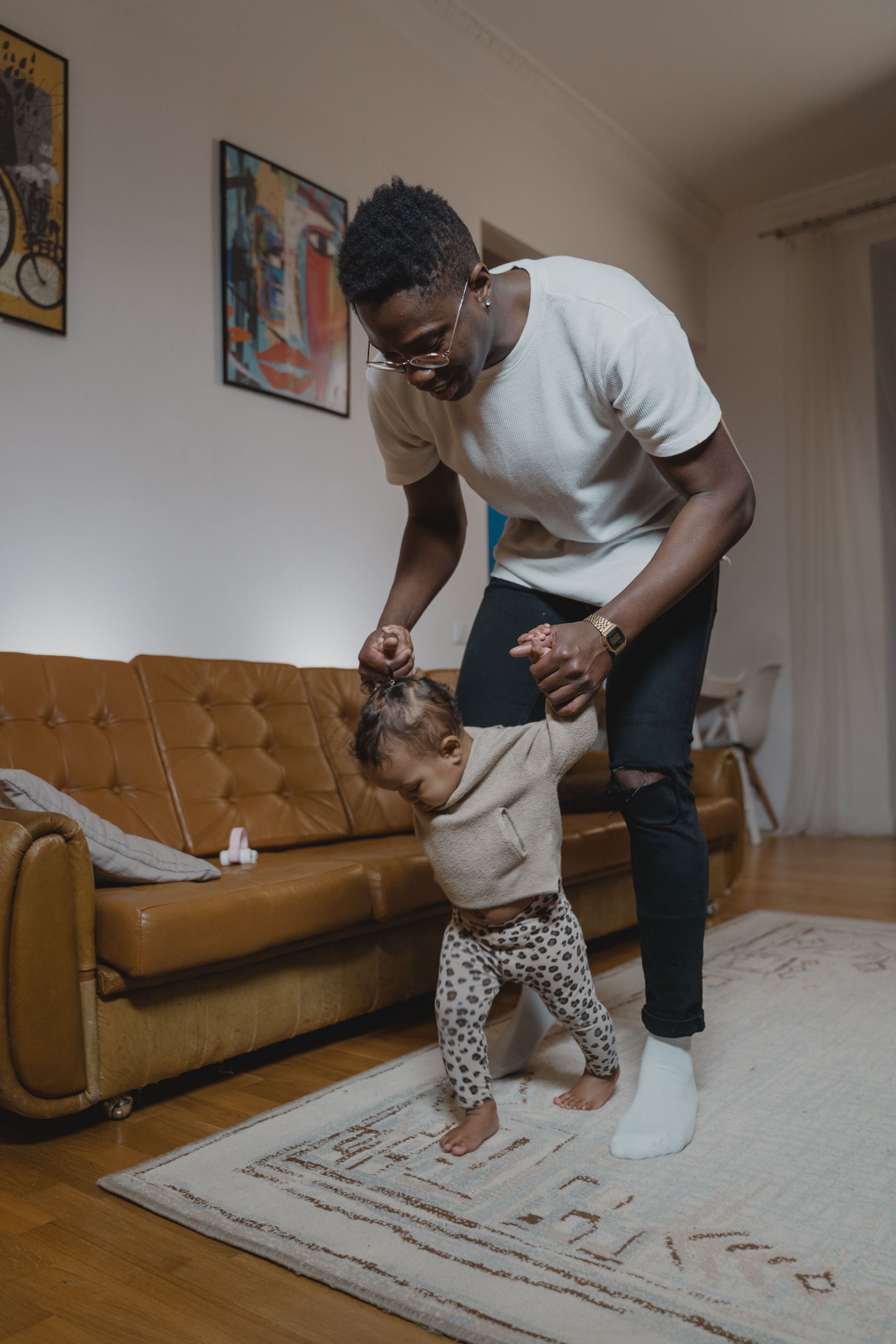
Every child toe walks for different reasons, which is why a thorough evaluation is important. At Progressive Pediatric Therapy, our team works to identify the underlying cause of your child's toe walking and develop an individualized treatment plan that supports safe, efficient movement.
How Physical Therapy Helps
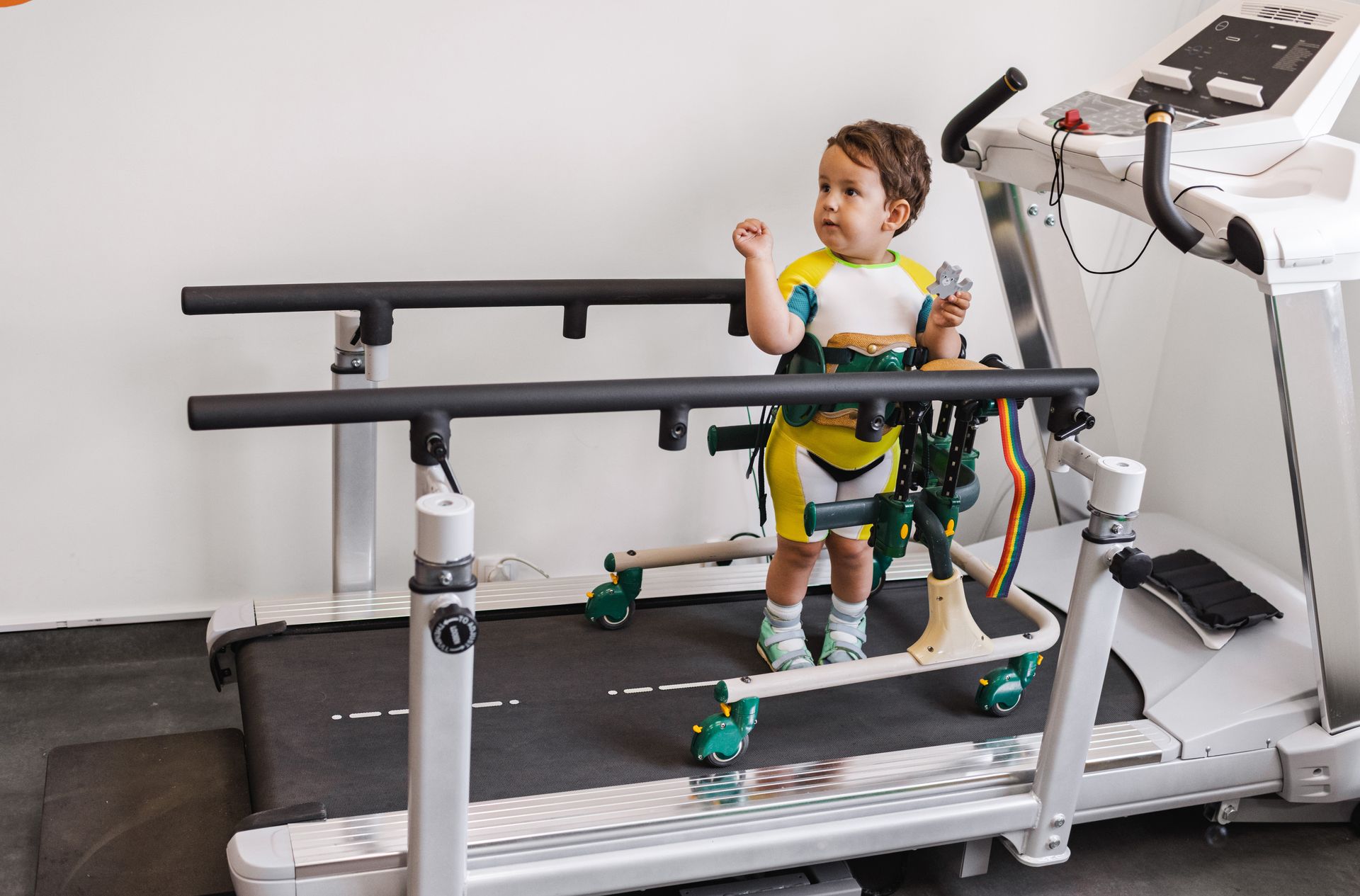
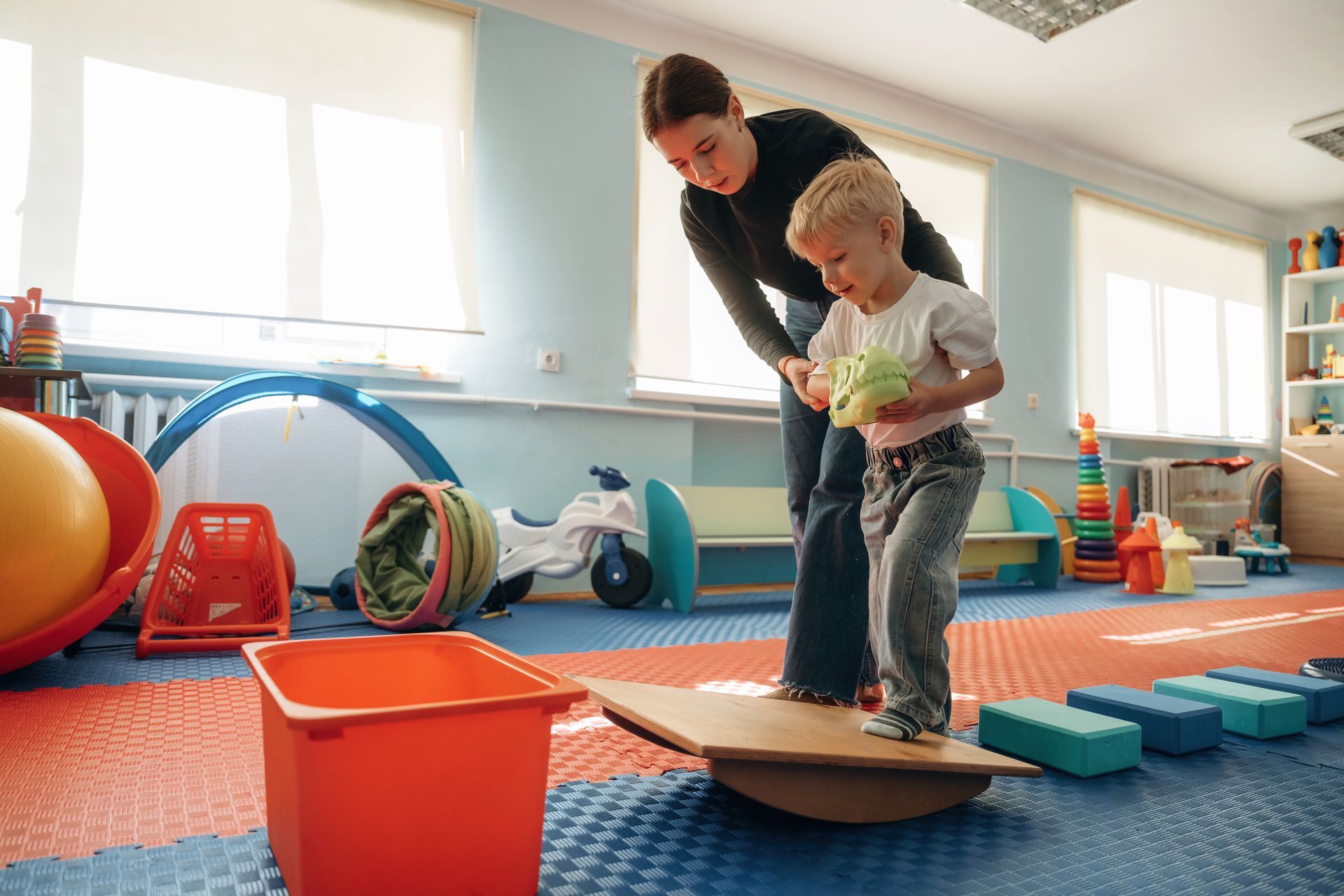
Physical therapy focuses on improving walking mechanics, strength, flexibility, balance, and overall mobility. Treatment may include:
- Stretching tight calf muscles and Achilles tendons
- Strengthening muscles that support heel-toe walking
- Gait training to encourage a more typical walking pattern
- Balance and coordination activities
Functional exercises that support age-appropriate motor development
For some children, physical therapists may also recommend orthotics or serial bracing to support proper foot positioning and improve walking mechanics.
The Role of Occupational Therapy
Occupational therapy can be especially beneficial when sensory processing differences contribute to toe walking.
Occupational therapists may address:
- Sensory seeking or sensory avoidance behaviors
- Body awareness and motor planning skills
- Functional participation in play and daily routines
- Environmental adaptations that support movement and regulation
When appropriate, physical and occupational therapists collaborate to provide a comprehensive treatment approach that addresses both the physical and sensory factors contributing to toe walking.
Specialized Treatment Tools
Depending on your child's needs, therapy recommendations may include specialized interventions such as:
Orthotics Evaluations and Fittings
Custom orthotics can help support proper alignment, encourage heel contact, and improve overall walking mechanics. Our team works closely with families to determine if orthotics may benefit their child.
Turtle Braces
For some children, Turtle Braces may be recommended to help promote a more consistent heel-toe gait pattern while maintaining comfort and mobility.
Therapeutic Vibration
Therapeutic vibration may be incorporated into treatment sessions to improve body awareness, sensory processing, muscle activation, and overall movement quality.
Each recommendation is individualized based on your child's strengths, challenges, and developmental goals.
Why Early Intervention Matters
While occasional toe walking is common in young toddlers, persistent toe walking can become more difficult to address over time.
Early intervention can help prevent:
- Tightness and loss of ankle range of motion
- Balance and coordination challenges
- Pain or discomfort with activity
- Altered movement patterns throughout the legs and body
- Long-term mobility limitations
Most importantly, early intervention helps children build confidence in their movement while supporting healthy motor development.
When Should Parents Seek an Evaluation?
Consider scheduling an evaluation if your child:
- Toe walks most of the time
- Continues toe walking beyond age 2
- Cannot easily walk with their heels down when asked
- Frequently trips or falls
- Has noticeable calf tightness
- Complains of foot, ankle, or leg discomfort
- Has sensory, developmental, or motor concerns
The earlier concerns are addressed, the more options are available to support healthy movement patterns.
Supporting Confident Movement
Toe walking is often treatable, especially when families receive the right guidance and support early on.
Our specialized team of pediatric physical and occupational therapists provides individualized treatment plans designed to improve mobility, balance, coordination, and functional independence. Through evidence-based interventions and family-centered care, we help children develop the skills they need to move confidently and participate fully in everyday activities.
If you have concerns about your child's walking pattern, we're here to help.
Contact Us Today
Schedule a
pediatric toe walking evaluation to learn how physical therapy, occupational therapy, orthotics, and other specialized interventions can support your child's development and mobility.