Toy Recommendations from our Therapists!

Progressive Pediatric Therapy • December 12, 2022

Written By: Amanda Beckert, SLPA, & Karol Owens, SLP

Best Toys Guideline

It’s a wonderful time of the year for gift giving! 

As beautiful as twinkling lights are, family get-togethers are, and pictures of snow-covered mountains are, there is no denying that the holidays can also be a stressful season; there are too many things to do, people to see, things to buy yet not enough time to do it. Add to it the ever-pressing question “what do I get as gifts?” and it’s enough to make even the most seasoned of therapists sigh in frustration. 

Many of the toys on children’s wish lists are also not only fun and engaging but also great to target their therapy goals, but searching for Best Toys of 2022 or Top Toys of the Year will give you a myriad of search results that may not all be the best fit for your child’s specific needs. 

That’s why we have compiled a quick guideline to help you choose not just the Best Toy, but the perfect toy for YOUR child. 

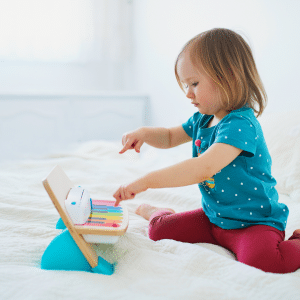
For children with sensory deficits , consider toys with lots of lights, such as play pianos, light up wands, and bouncy balls. Sensory bins featuring kinetic sand or play-doh are also great time-tested options. Want an additional tip? Consider combining some of these options with items you may already own for a brand new experience! For example, adding stickers to play pianos can help add further sensory input that your child may need. 

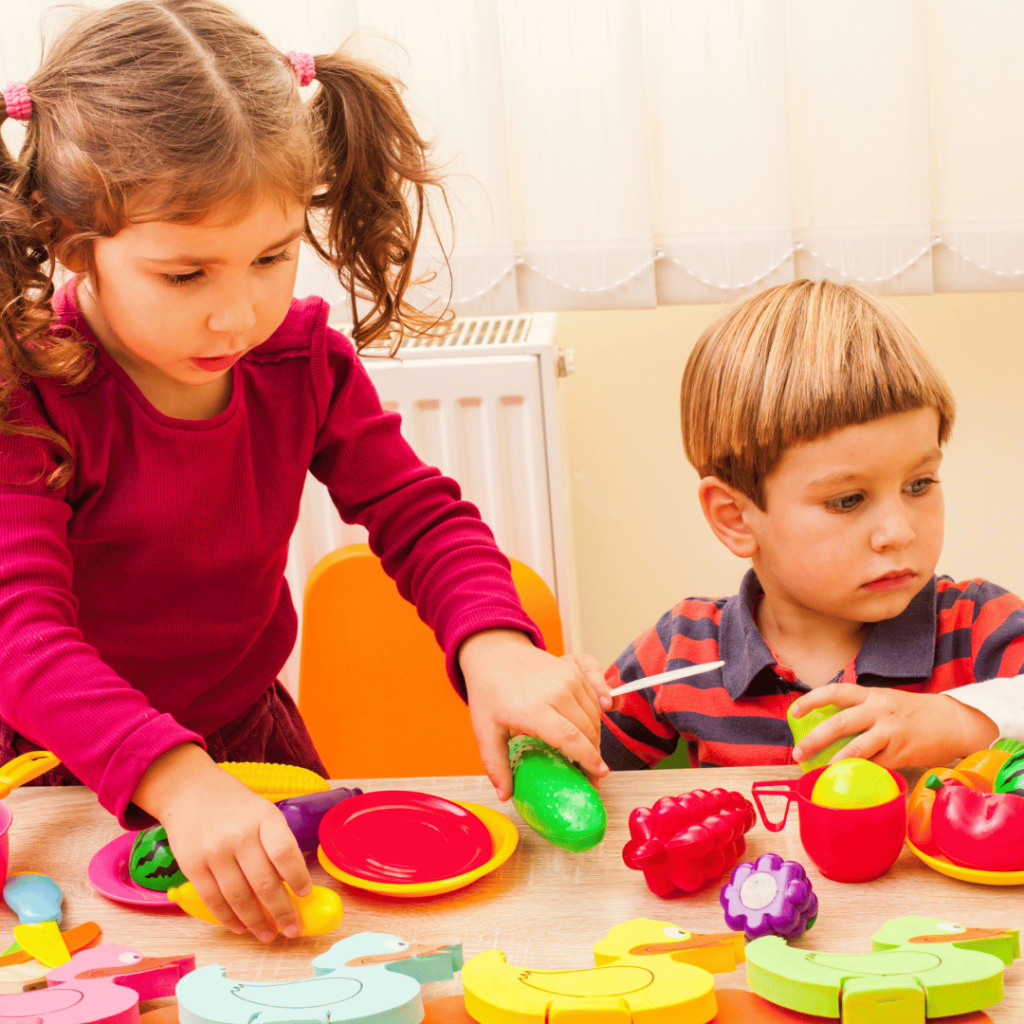
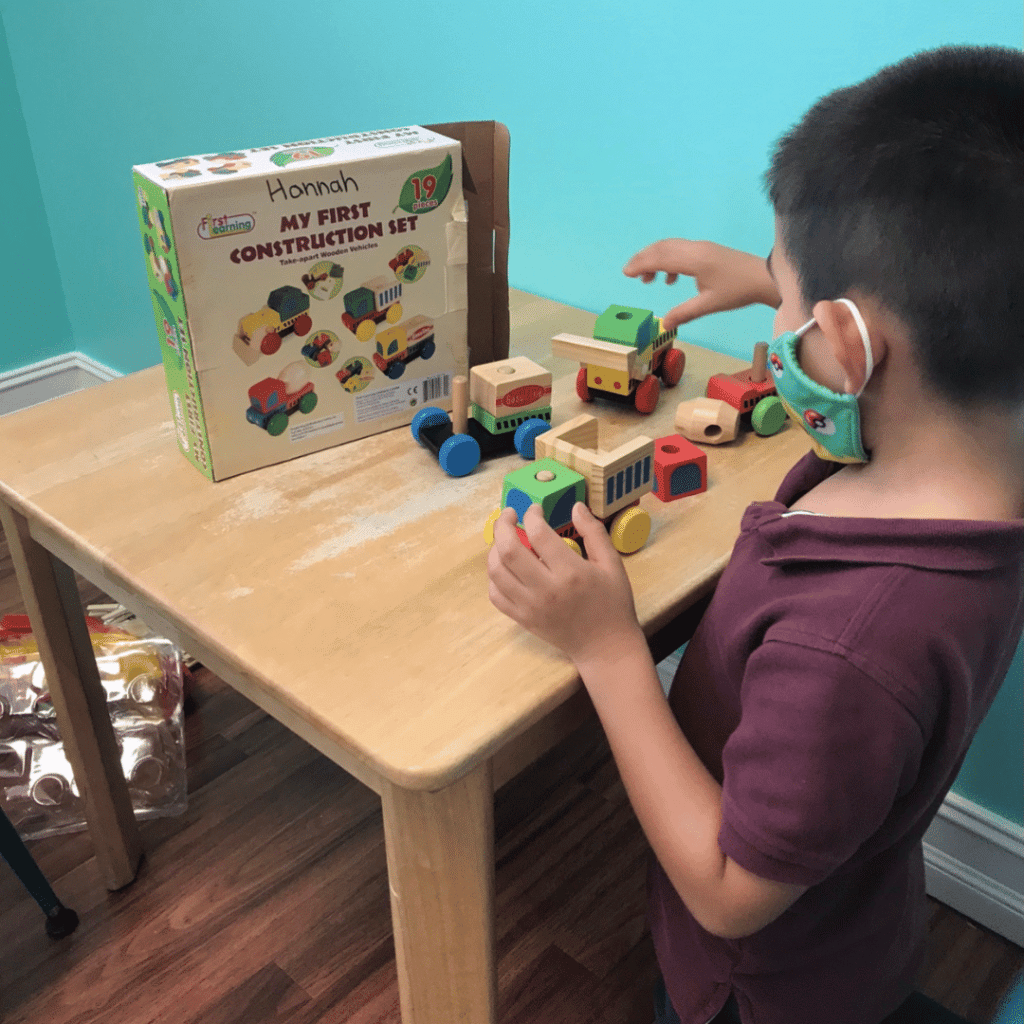
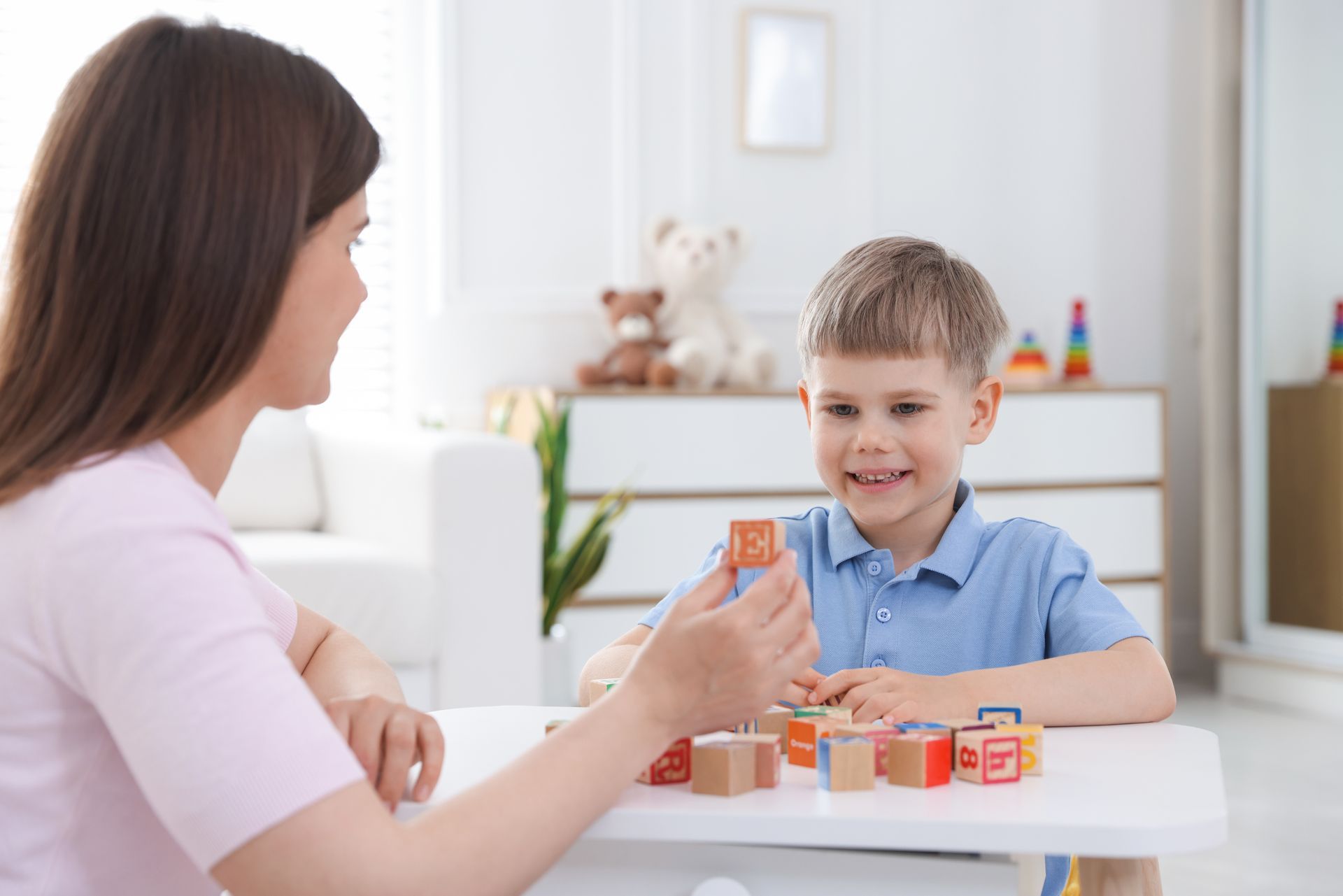
For children with language delays , research has shown that traditional toys provide the best opportunities for parents and other caregivers to promote language use when compared to high tech toys. Mr. Potato Head, farms with animals, blocks, kitchen sets, doll houses, and books are all great gifts that can help with abilities such as labeling, eliciting early speech language sounds, working spatial concepts and directions, and many more things. Want an additional tip? Consider limiting your child’s access to the toys, this will help practice and encourage skills such as requesting and commenting. 

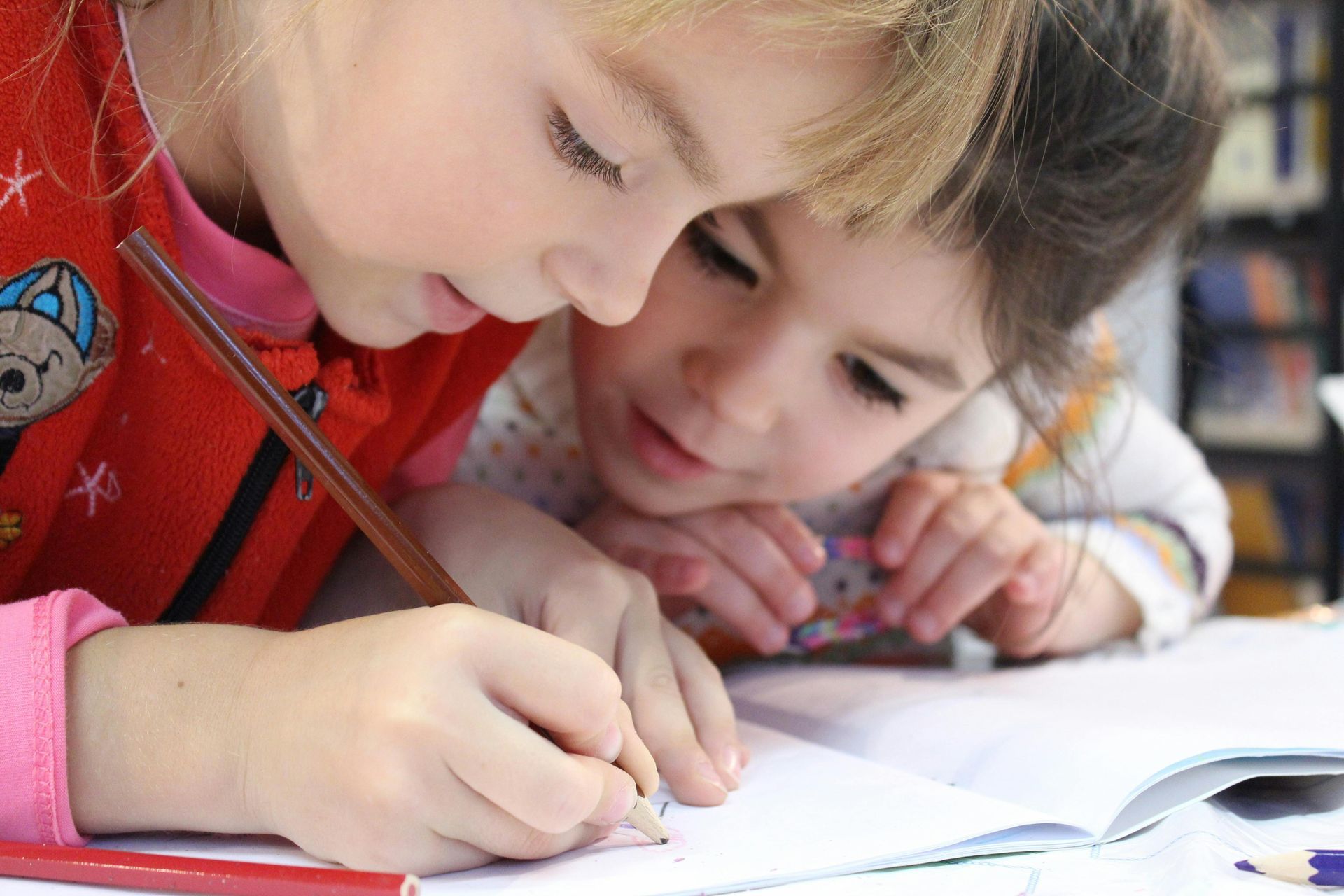
A boy and a girl are playing with toys on a table.
Play food and Kitchen Sets work great for Emerging Language learners!

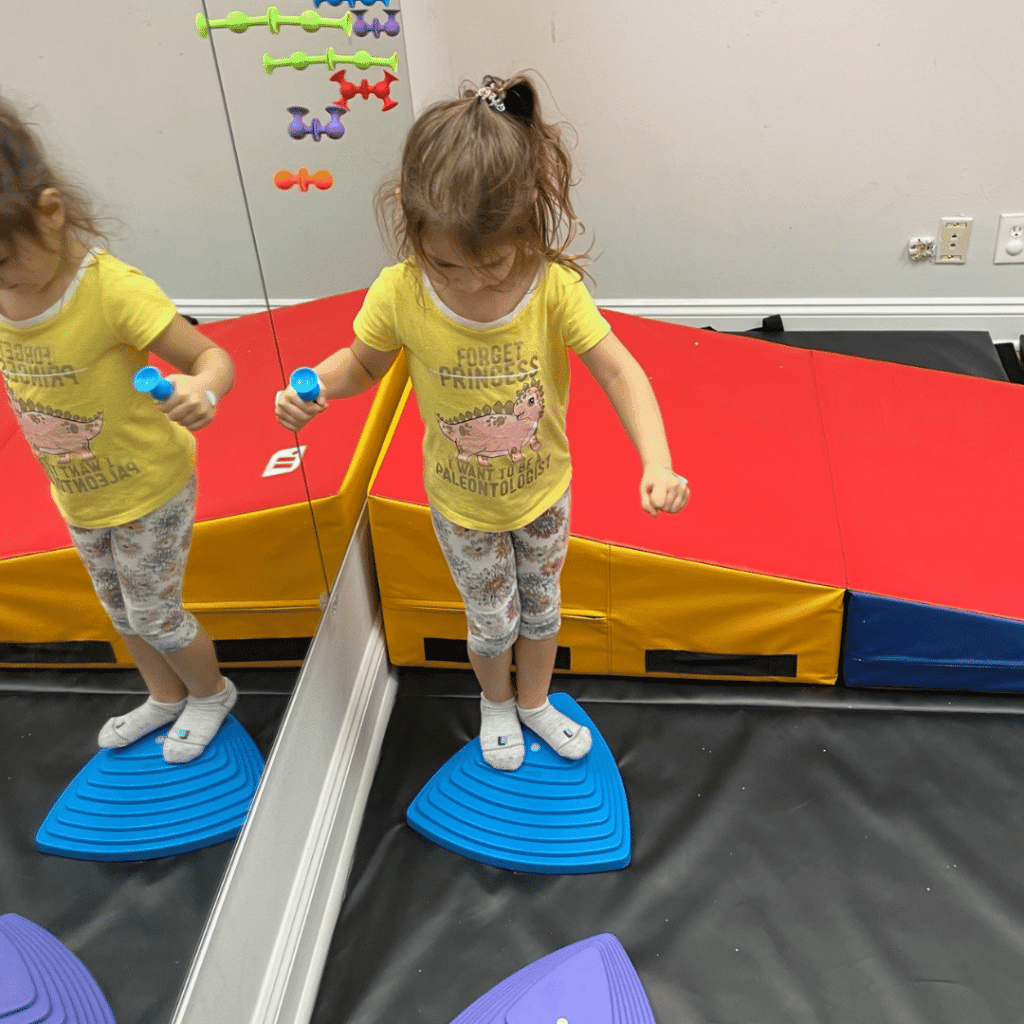
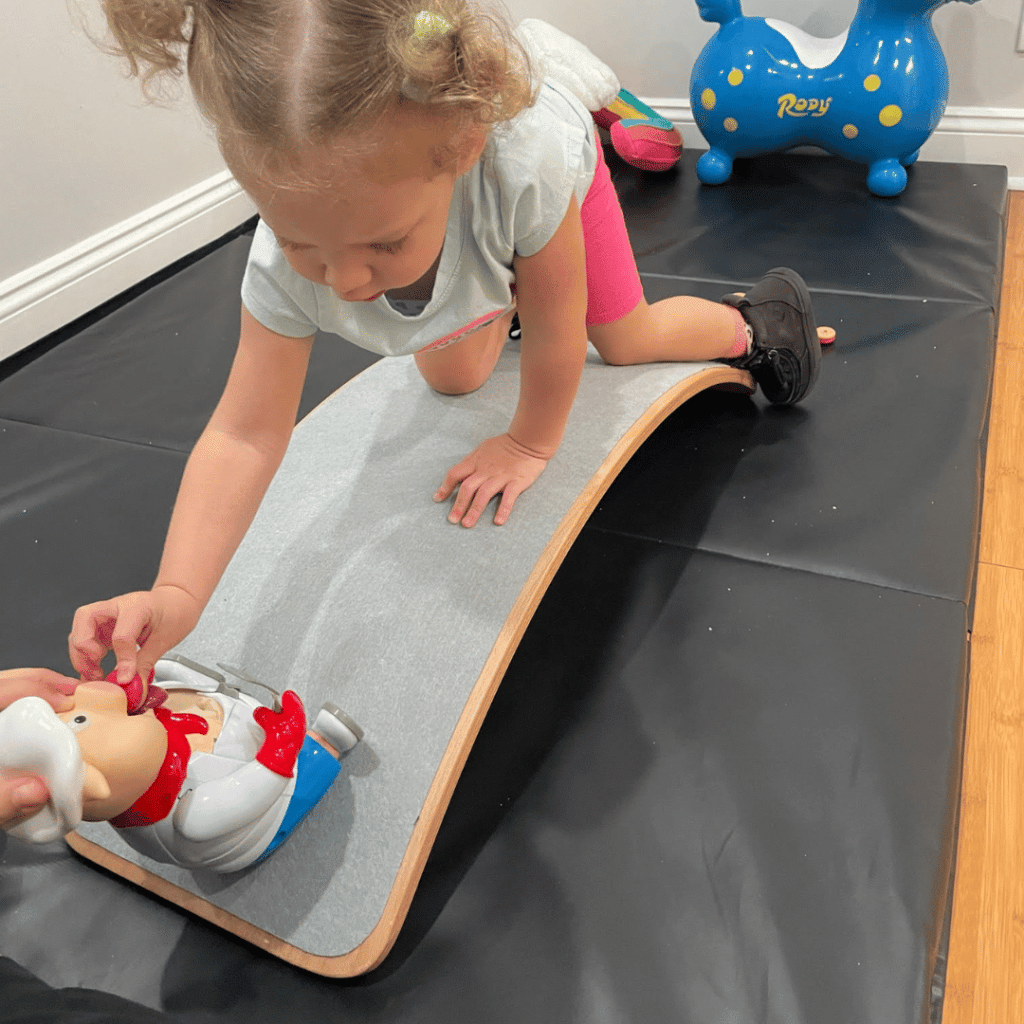
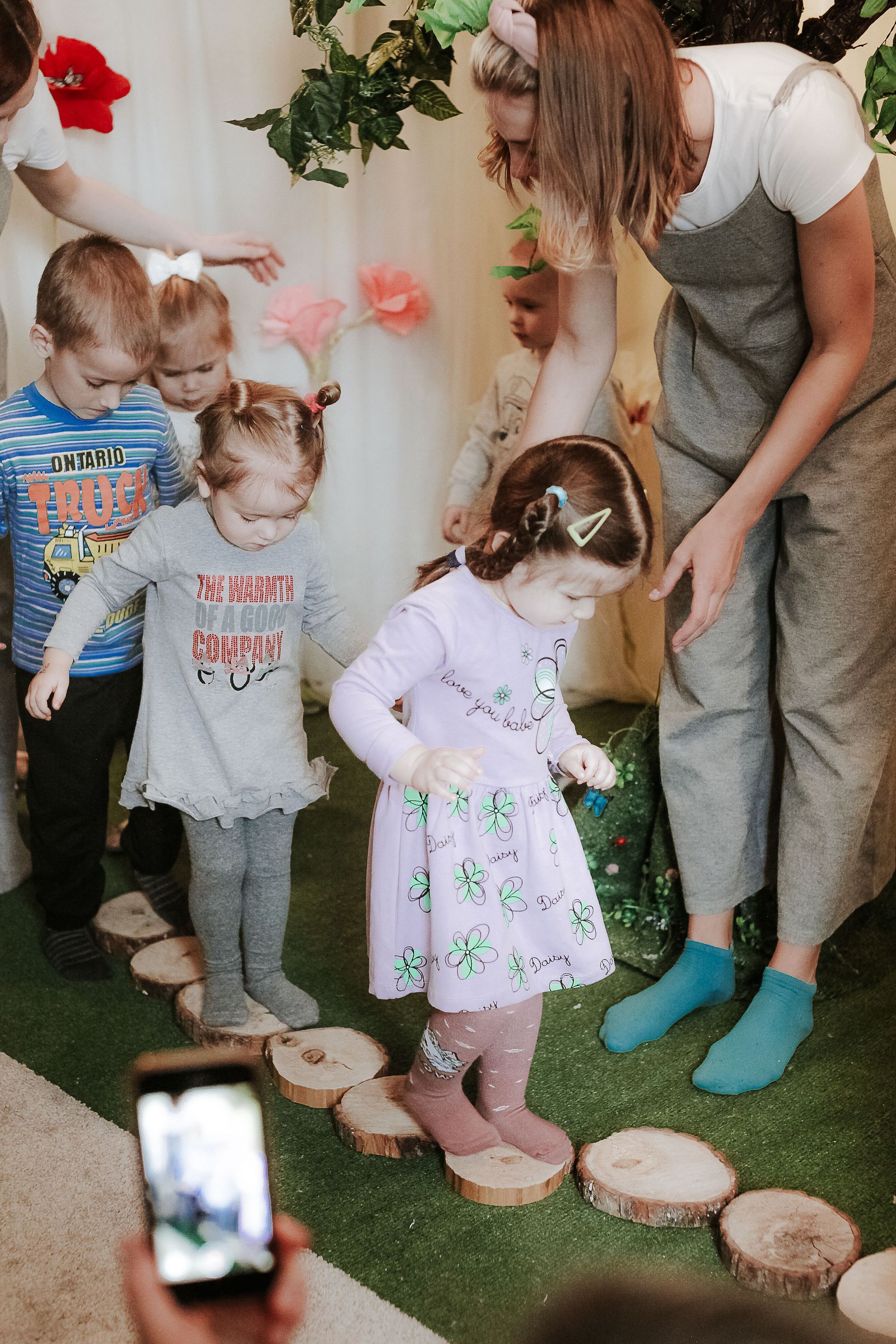
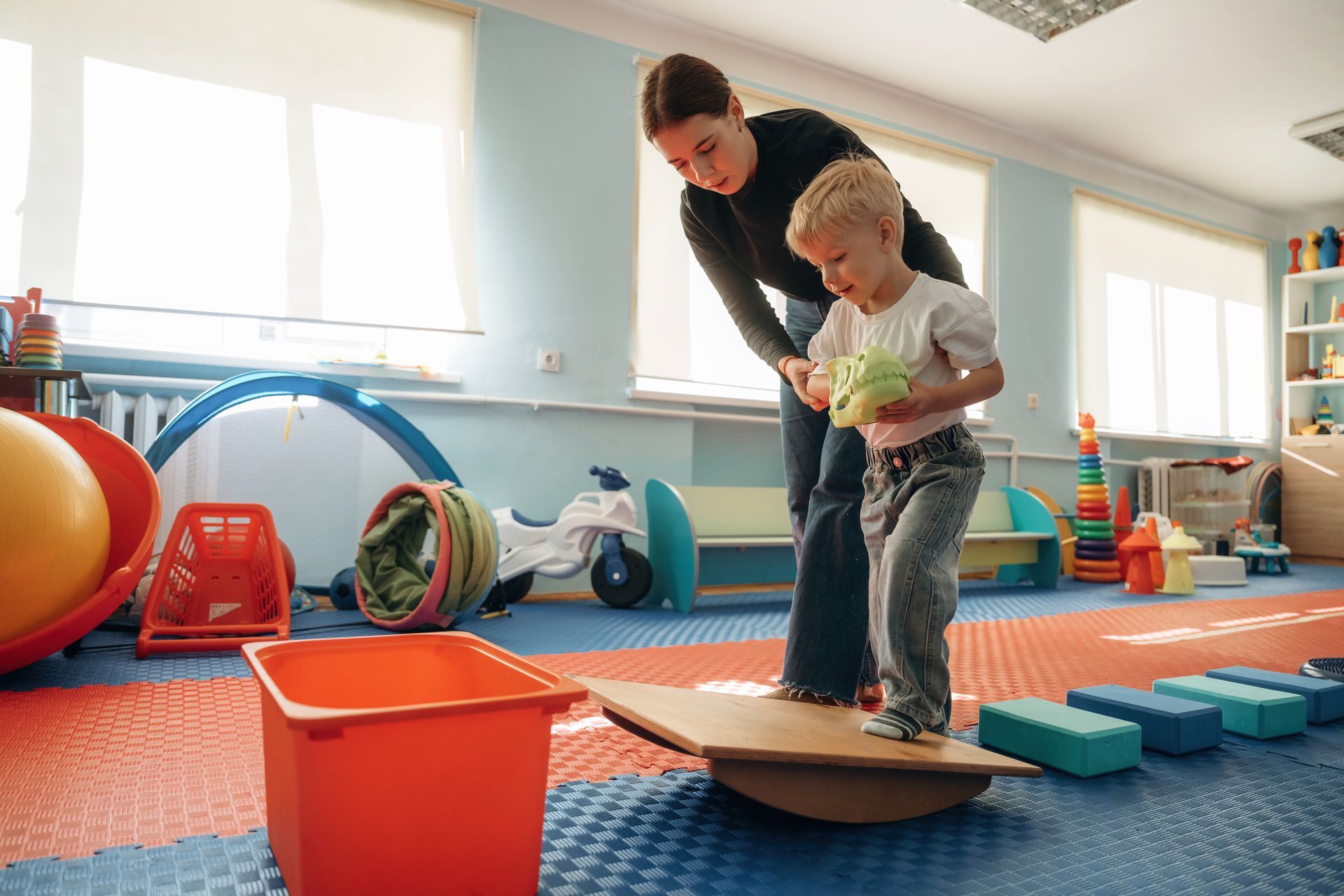
For children with balance or coordination deficits , stepping stones are a great way to practice balance. Play tunnels, Water jet hovering t-ball set, and sports ball sets are also motivating toys that can get your kids moving while also working on gross motor skills, hand-eye coordination, and social play. Want an additional tip? Get two or more of these toys and make a fun obstacle course! This increases the challenge and the fun for both kids and adults alike. 

Looking for toys based on age rather than a specific therapeutic need?  We can also help with that! 

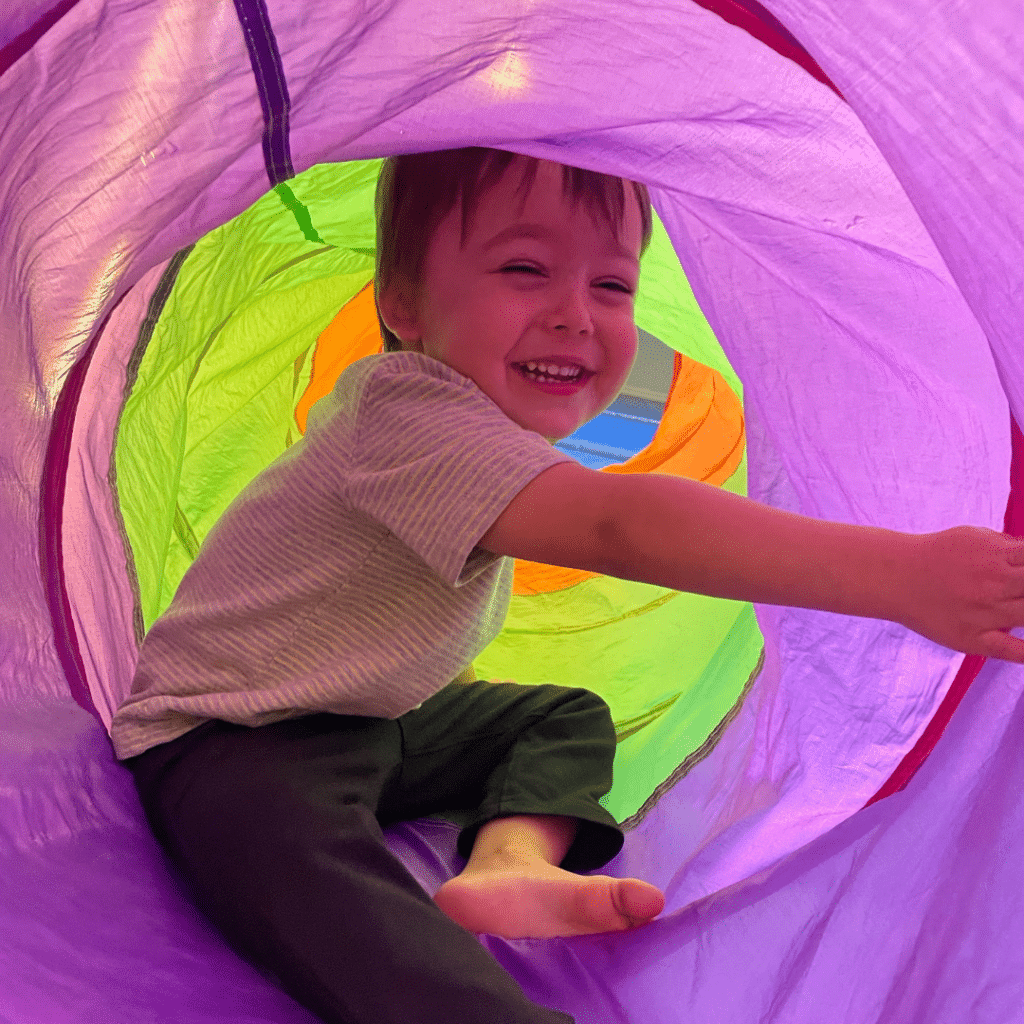
For infants and toddlers , an option that both therapists and children alike LOVE is collapsible tunnels. These can help with consonant-vowel sounds through simple games such as peek-a-boo and address sensory and movement goals by moving and grooving through them. Other items such as EZPZ Mini Mats and food stamps can also be great gifts that can help make feeding time more fun and help with session carry-over. 

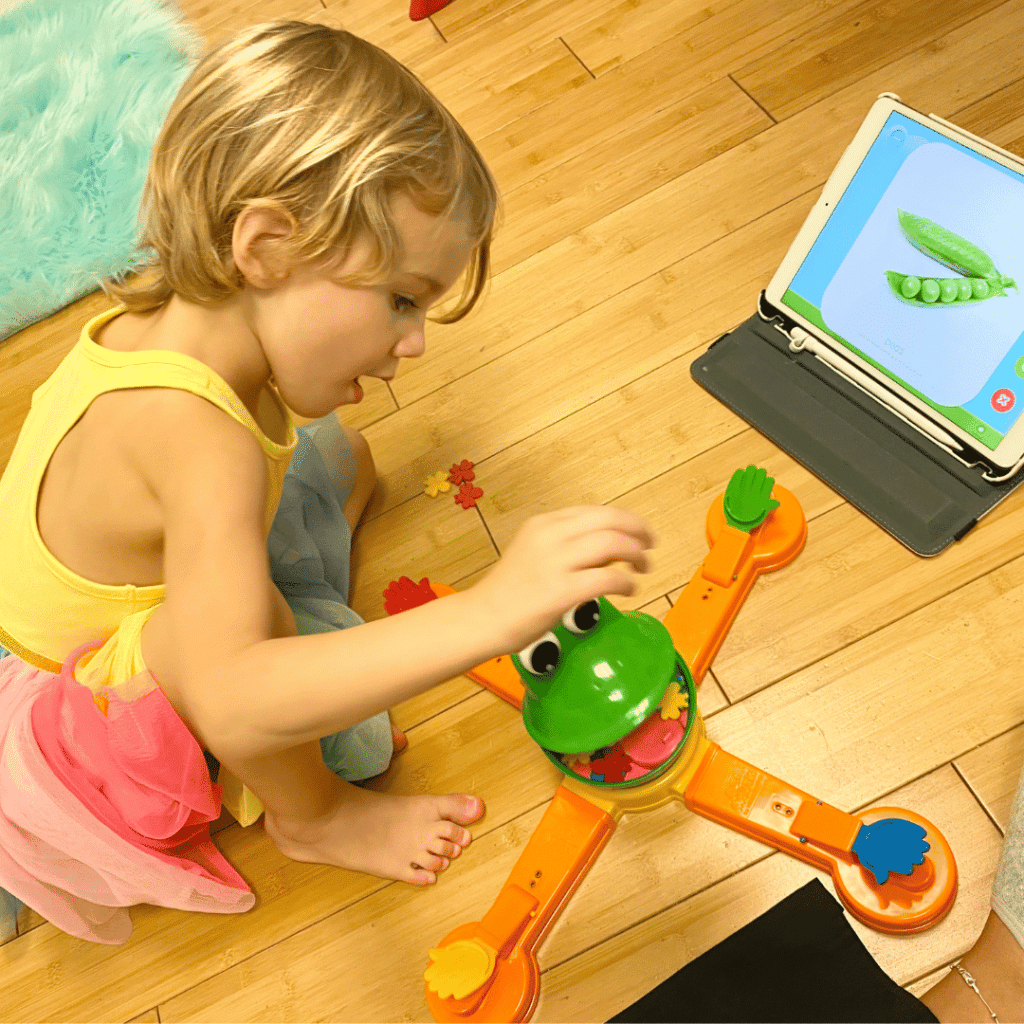
For preschool-aged children , toys that promote pretend, interactive play are great options. Baby dolls, play food, and many of the Melissa & Doug play sets can encourage expressive language and functional play skills. Lite-Brite is a classic, fun game that assists with fine motor skills and all sorts of imaginative play that can assist with expressive language like requesting and commenting. Shark attack, Let’s Go Fishing, Pop-Up Pirate, and Pop the Pig are great for peer play and turn taking. 

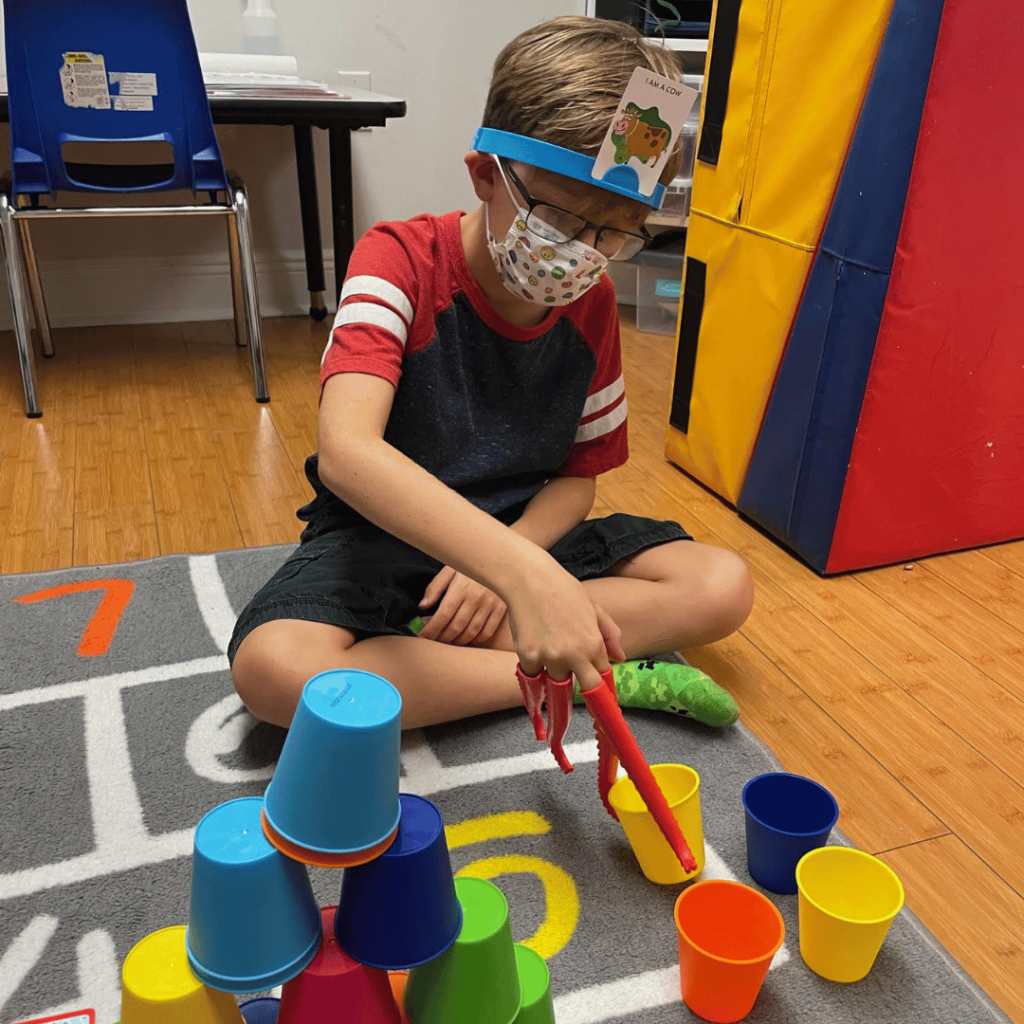
For school-age children , board games such as Chutes and Ladders, Headbandz, Guess Who?, Uno, The Sneaky Snacky Squirrel, Jenga, and Throw Throw Burrito are great for working on social emotional skills, following directions, symbol recognition and so much more! Mad Libs is also a great option for working on writing and language skills. If your child is one who prefers to play outside instead of inside, consider games like AeroDisk Max for hand-eye coordination and motor planning. 

A young boy wearing a mask is playing with cups on the floor.
“Stacktopus” Game played with HeadBandz

Want more ideas? Ask your therapist (or even join in with your therapist one session!) and see what toys and activities they use!

Check out other entries in our blog for more comprehensive lists:

By Aimee Brueck August 4, 2026
Many families today raise children in homes where more than one language is spoken. While this is a wonderful gift, it can also bring questions and concerns about speech and language development. Parents often wonder if learning multiple languages will confuse their child or delay speech. At Progressive Pediatric Therapy, our Bilingual Language Wellness Visit helps families understand what typical bilingual development looks like and provides practical strategies to nurture every language their child speaks with confidence.
By Aimee Brueck July 31, 2026
Every child experiences big emotions as they grow. Meltdowns, worries, sensory sensitivities, and difficulty with transitions are all part of learning how to navigate the world. For many parents, however, it can be hard to know what’s typical and when extra support might help. At Progressive Pediatric Therapy, our Social-Emotional Wellness Visit helps families better understand their child’s emotional development and provides practical strategies to support regulation, confidence, and calmer daily routines.
July 29, 2026
Many children with ADHD and dyslexia also have overlooked vision problems that make focus and reading harder. A 2026 research review examined whether virtual reality vision therapy for ADHD and dyslexia can help. Here is what the evidence shows, written for both parents and therapists, from the team at Progressive Pedi
Autism and Motor Skills: What New Exercise Research Shows
By Aimee Brueck July 24, 2026
A 2026 meta-analysis found structured exercise produced large gains in motor skills in autistic children. Here's what it means for parents and therapists.
By Aimee Brueck July 21, 2026
New research shows AAC can help young children build sentences, not just point to single words
Person in a motorized exoskeleton using a kiosk in a hospital hallway
By Mary B. Pengelley, PT, DPT, ATP July 18, 2026
Chapter 1: Why Do Some Children Use Standers?
By Aimee Brueck July 10, 2026
For many families, mealtime can feel more stressful than enjoyable. Parents often worry when their child suddenly refuses foods they used to love or insists on eating only a small handful of familiar items. At Progressive Pediatric Therapy, we understand how confusing and frustrating picky eating can feel. Our Feeding & Mealtime Wellness Visit helps families turn mealtime struggles into calm, confident routines where children can explore food without pressure and parents can feel supported.
By Aimee Brueck July 3, 2026
In today’s tech-filled world, many parents notice the same pattern at home: when there’s a quiet moment, children often reach for a screen. While technology can be helpful in moderation, play remains one of the most important ways children grow, connect, and learn about the world. At Progressive Pediatric Therapy, our Play Development Wellness Visit helps families understand how play develops and provides simple, practical strategies to encourage creativity, independence, and connection—without the daily battles over screen time.
By Aimee Brueck June 26, 2026
For many families, learning to ride a bike is one of childhood’s biggest milestones.It represents freedom, confidence, independence, and fun.But for some children, bike riding can also feel frustrating, scary, or overwhelming. Parents often wonder:
By Aimee Brueck June 24, 2026
In today’s digital world, children are spending more time typing, tapping, and swiping, and less time writing by hand. Many parents notice the effects quickly.