Screen-Free Summer: Activities that Build Language, Strength, and Coordination

June 19, 2025

As the days get longer and the sun shines brighter, summer invites children to explore, play, and grow. But with screens so easily accessible, it can be tempting to turn to tablets or TVs for entertainment. At Progressive Pediatric Therapy, we believe summer is a golden opportunity to engage kids in meaningful, screen-free activities that support their development—in both body and mind.

A family is laying on a blanket in the grass reading a book.

Why Choose a Screen-Free Summer?

Limiting screen time isn’t about eliminating fun, it’s about expanding it. Excessive screen use has been linked to decreased physical activity, reduced attention span, and missed opportunities for language and social development. In contrast, real-world play encourages creativity, movement, communication, and problem-solving.

With the right activities, you can help your child build critical life skills while still having fun.

Summer Activities That Build Language Skills

Language develops best through interaction and experience. These activities promote vocabulary, conversation, and expression:

1. Nature Walks with a Twist

Bring along a scavenger hunt sheet with pictures or words. Ask open-ended questions: “What do you see?”, “How does it smell?”, “Why do you think that bird is making noise?”

2. Storytelling in the Shade

Set up a cozy blanket outside and take turns creating stories. Use puppets, dolls, or just your imagination to encourage dialogue and narrative thinking.

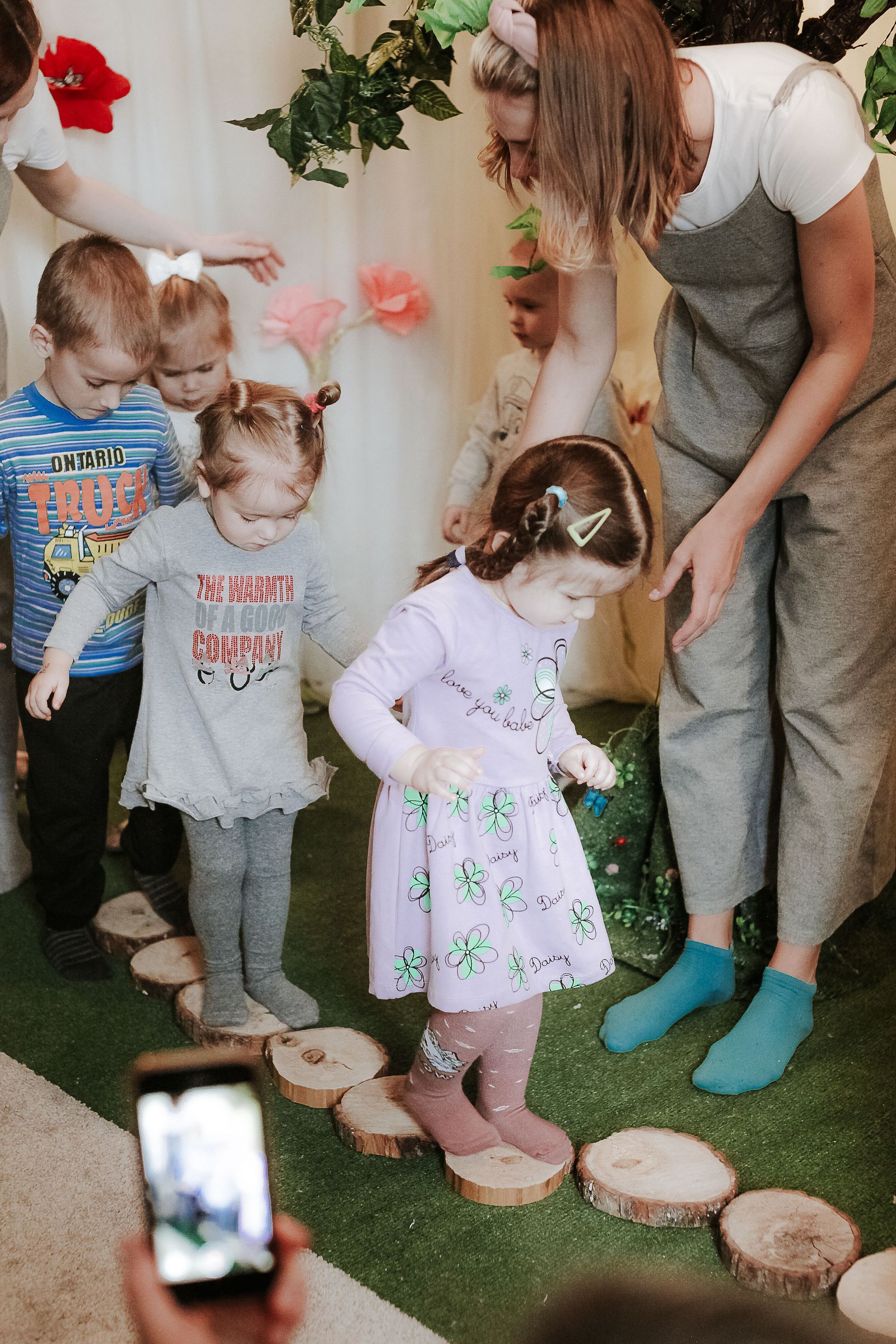
3. Outdoor Obstacle Course Instructions

Have your child help set up an obstacle course, then explain the steps to you or a sibling. This encourages sequencing and descriptive language.

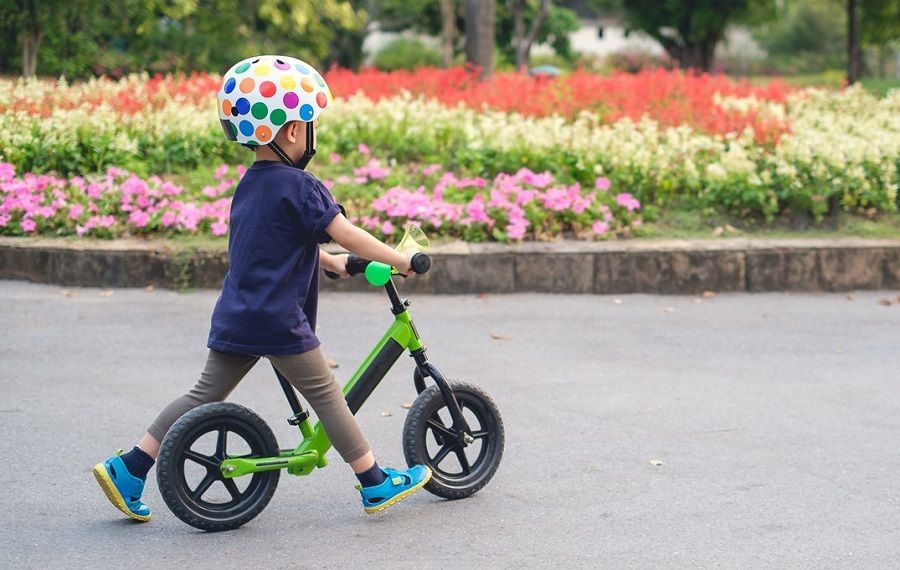
A young boy wearing a helmet is riding a balance bike.

Activities That Build Strength and Coordination

Kids don’t need a gym to get strong, just a safe space to move, climb, and play. Try these:

1. Chalk Mazes and Hopscotch

Drawing and navigating chalk games improves fine motor control and balance.

2. Water Play

From sponge tosses to carrying buckets, water activities build upper body strength and provide sensory fun.

3. Animal Walk Races

Bear crawls, crab walks, or frog jumps help develop core muscles and coordination in a fun, silly way.

4. Bike or Scooter Rides

Riding helps with gross motor skills, balance, and confidence. Bonus: narrate the experience to build receptive language!

Coordinating It All: Whole-Child Benefits

When children engage in hands-on, movement-rich, and interactive activities, they’re developing more than just muscles or vocabulary. They’re also learning to:

  • Follow directions
  • Solve problems
  • Express themselves
  • Collaborate with others
  • Self-regulate emotions and energy

These foundational skills are key for school readiness and social success.

Our Role at Progressive Pediatric Therapy

At PPT, we support children in reaching their fullest potential by integrating speech, occupational, and physical therapy. Our goal is to help families create everyday routines that nurture language, movement, and independence.

Need ideas for a screen-free summer tailored to your child’s needs? Our therapists can guide you with home strategies and summer goals that fit your child’s developmental level.

Let’s Unplug and Reconnect

This summer, swap screen time for shared time. Whether it's splashing in a pool, walking in the park, or building a fort in the backyard, every moment is a chance to strengthen your child’s body, mind, and connection to the world around them.

We’re here to help you make it a summer of smiles, growth, and discovery.

By Aimee Brueck March 27, 2026
Continuing education is essential for pediatric occupational therapists who want to stay current with evidence-based practices, maintain licensure, and deliver the best outcomes for children and families.
By Aimee Brueck March 18, 2026
In today’s technology-driven world, many children are moving less than previous generations. While screens and busy schedules can make life easier in some ways, they also mean fewer opportunities for children to build the movement skills their bodies need.
February 25, 2026
At Progressive Pediatric Therapy, our commitment to helping families doesn’t stop at the therapy session door. Whether you’re seeking extra guidance as a current client or exploring ways to support your child’s development before pursuing therapy, we’re here to help. That’s where Parent Coaching and Wellness Visits come in. Two supportive, expert-led programs created to empower families with clarity, confidence, and practical strategies for real life.
By Aimee Brueck November 14, 2025
Every baby’s journey is unique, but for families of premature infants, early development often looks and feels a little different. If your baby was born before 37 weeks of pregnancy, they’re considered “preterm” — and you’re not alone. Nearly 1 in 10 babies worldwide are born prematurely each year.
By Aimee Brueck October 22, 2025
Continuing education is essential for pediatric therapists to stay current with best practices, support licensure renewal, and deliver the best outcomes for their young clients. But with so many CEU options online, it can be hard to know which ones are worth your time, and your budget.
By Aimee Brueck October 10, 2025
At Progressive Pediatric Therapy, we know that every child’s feeding journey is unique. Some children may struggle with sensory issues, oral motor delays, or behavioral challenges that affect how they eat. That’s why feeding therapy isn’t a one-size-fits-all solution, instead it involves a blend of specialized approaches tailored to each child’s specific needs.
By Aimee Brueck September 18, 2025
Choosing the right pair of shoes for your child isn’t just about style, it’s about supporting their growing feet with the stability, comfort, and structure they need. Whether your child has orthotic needs, sensory sensitivities, or simply needs reliable footwear for school and play, finding pediatric therapist-recommended shoes can make all the difference.
By Aimee Brueck August 25, 2025
This is a lesser-known eating disorder compared to anorexia or bulimia. It is known by its English acronym ARFID (Avoidant/Restrictive Food Intake Disorder). ARFID is characterized by very limited eating, either due to avoidance of certain tastes, textures, colors, smells, or an intense fear of the consequences of eating (such as choking or vomiting). ARFID is not related to body image or a desire to lose weight. ARFID affects the child’s social life—it’s not simply a phase of being a “picky eater.”
By Aimee Brueck August 25, 2025
Esto es un trastorno menos conocido como la anorexia o la bulimia. Esto es conocido por sus siglas en inglés como ARFID (Avoidant/Restrictive Food Intake Disorder). El ARFID es caracterizado por una alimentación muy limitada, ya sea por la evitación de ciertos sabores, texturas, colores, olores o por un miedo intenso a las consecuencias de comer (como atragantarse o vomitar). ARFID no está relacionado con la imagen corporal ni el deseo de adelgazar. EL ARFID afecta la vida social del niño, no es simplemente una etapa de "comer selectivo"
By Aimee Brueck August 7, 2025
Children grow quickly, and with that growth come unique physical needs. Whether it’s posture, mobility, or muscle support, some children benefit from an extra layer of help to move, play, and thrive confidently. At Progressive Pediatric Therapy, we offer Turtle Bracing : a lightweight, flexible orthotic solution designed to support growing bodies in motion