Retelling: It Is Not Just For School!

Progressive Pediatric Therapy • September 27, 2020

Written by Regina De Canto, M.S, CCC-SLP

A blue poster that says retelling : it is not just for school
You can practice narrative skills at home to talk about your child’s day!

How often do you ask your child “What did you do at school today?” or “What was the story about” only to get a 1- or 2-word response?

Well, those questions ask our kids to RETELL! Story recall or retelling involves a lot of different language and executive function processes such as comprehending a story, organizing their thoughts in a sequential order, and then expressing themselves in a way that is understood to the listener. This simple task can be quite complex for some of our little storytellers!

 There are many fun ways we can work on retelling skills at home!

Drawing

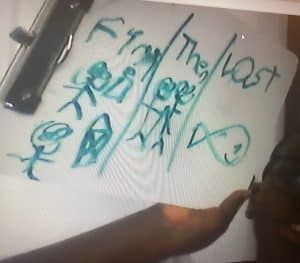
Sometimes writing a summary of a story can be frustrating because your child is so focused on spelling, grammar, when to use a capital letter, or punctuation marks…Yikes! Drawing is an exciting opportunity for your child to express themselves and help organize their thoughts when they are recalling a story or event. Draw a line to separate your paper into 2 or 3 sections for your child to draw a picture of what happened in the beginning, middle, and end of the story. Then, have your child tell about each picture in their own words!

A person is writing on a clipboard that says from the lost
Use a whiteboard to draw pictures to go with the events of the story.

Role Playing

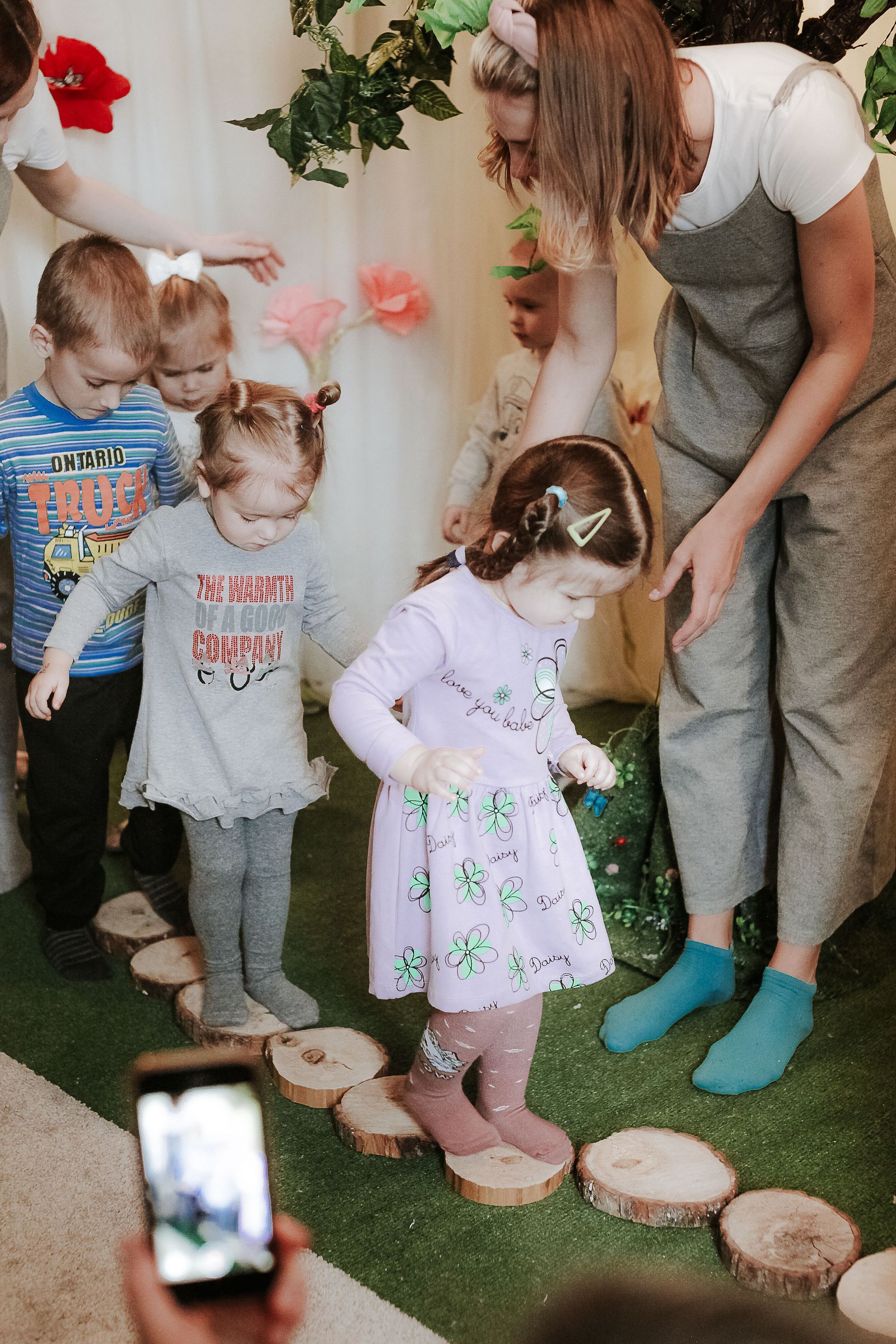
Kids love to be silly! Role playing is a great way to act out the different events of the story and spark imagination and creativity with your child. Have your child act out the different events in the story as the main character. They can explore using silly voices or facial expressions to match the character!

A poster for role playing for school with three children
Acting out events can be fun for your child to retell- don’t forget the costumes!

Photo Albums

Print out pictures of holidays or vacations and glue them on to construction paper to make your child’s very own photo album! Having photos of their special day will encourage your child to reminisce on how much fun they had and talk through the details of their day.

A picture of a family on the cover of a photo album
Have your child create their own photo album to talk about their favorite vacation or family event!

Play Pretend

Grab your child’s favorite stuffed animal, action figure, or doll and play out the story. Pretend play is a fantastic approach for our young or shy kids! Each toy can be a different character to reenact the story while you are also playing to facilitate the storyline.  

Two little girls are sitting next to each other in a park talking on a cell phone.
Use stuffed animals or other props to help tell a story!

Retelling is such an important communicative and academic skill. We use these skills in various ways from summarizing a book we’ve read to talking about our favorite birthday memory. You can help your child with these skills in a variety of fun ways that will make them feel unique and special!

Which of these activities would your child have fun doing to retell? Share with us in the comments below!

The post Retelling: It Is Not Just For School! appeared first on PPT4Kids.

By Aimee Brueck July 31, 2026
Every child experiences big emotions as they grow. Meltdowns, worries, sensory sensitivities, and difficulty with transitions are all part of learning how to navigate the world. For many parents, however, it can be hard to know what’s typical and when extra support might help. At Progressive Pediatric Therapy, our Social-Emotional Wellness Visit helps families better understand their child’s emotional development and provides practical strategies to support regulation, confidence, and calmer daily routines.
July 29, 2026
Many children with ADHD and dyslexia also have overlooked vision problems that make focus and reading harder. A 2026 research review examined whether virtual reality vision therapy for ADHD and dyslexia can help. Here is what the evidence shows, written for both parents and therapists, from the team at Progressive Pedi
Autism and Motor Skills: What New Exercise Research Shows
By Aimee Brueck July 24, 2026
A 2026 meta-analysis found structured exercise produced large gains in motor skills in autistic children. Here's what it means for parents and therapists.
By Aimee Brueck July 21, 2026
New research shows AAC can help young children build sentences, not just point to single words
Person in a motorized exoskeleton using a kiosk in a hospital hallway
By Mary B. Pengelley, PT, DPT, ATP July 18, 2026
Chapter 1: Why Do Some Children Use Standers?
By Aimee Brueck July 10, 2026
For many families, mealtime can feel more stressful than enjoyable. Parents often worry when their child suddenly refuses foods they used to love or insists on eating only a small handful of familiar items. At Progressive Pediatric Therapy, we understand how confusing and frustrating picky eating can feel. Our Feeding & Mealtime Wellness Visit helps families turn mealtime struggles into calm, confident routines where children can explore food without pressure and parents can feel supported.
By Aimee Brueck July 3, 2026
In today’s tech-filled world, many parents notice the same pattern at home: when there’s a quiet moment, children often reach for a screen. While technology can be helpful in moderation, play remains one of the most important ways children grow, connect, and learn about the world. At Progressive Pediatric Therapy, our Play Development Wellness Visit helps families understand how play develops and provides simple, practical strategies to encourage creativity, independence, and connection—without the daily battles over screen time.
By Aimee Brueck June 26, 2026
For many families, learning to ride a bike is one of childhood’s biggest milestones.It represents freedom, confidence, independence, and fun.But for some children, bike riding can also feel frustrating, scary, or overwhelming. Parents often wonder:
By Aimee Brueck June 24, 2026
In today’s digital world, children are spending more time typing, tapping, and swiping, and less time writing by hand. Many parents notice the effects quickly.
By Aimee Brueck June 19, 2026
When parents think about kindergarten or preschool readiness, most think about academics first: