Knowing the R Sound

Progressive Pediatric Therapy • September 15, 2022

By: Giselle Nunez, SLPA

Have you noticed that your child has trouble making the R sound? Have you been frustrated trying to correct it to no avail? Here we explain a little about this peculiar sound.

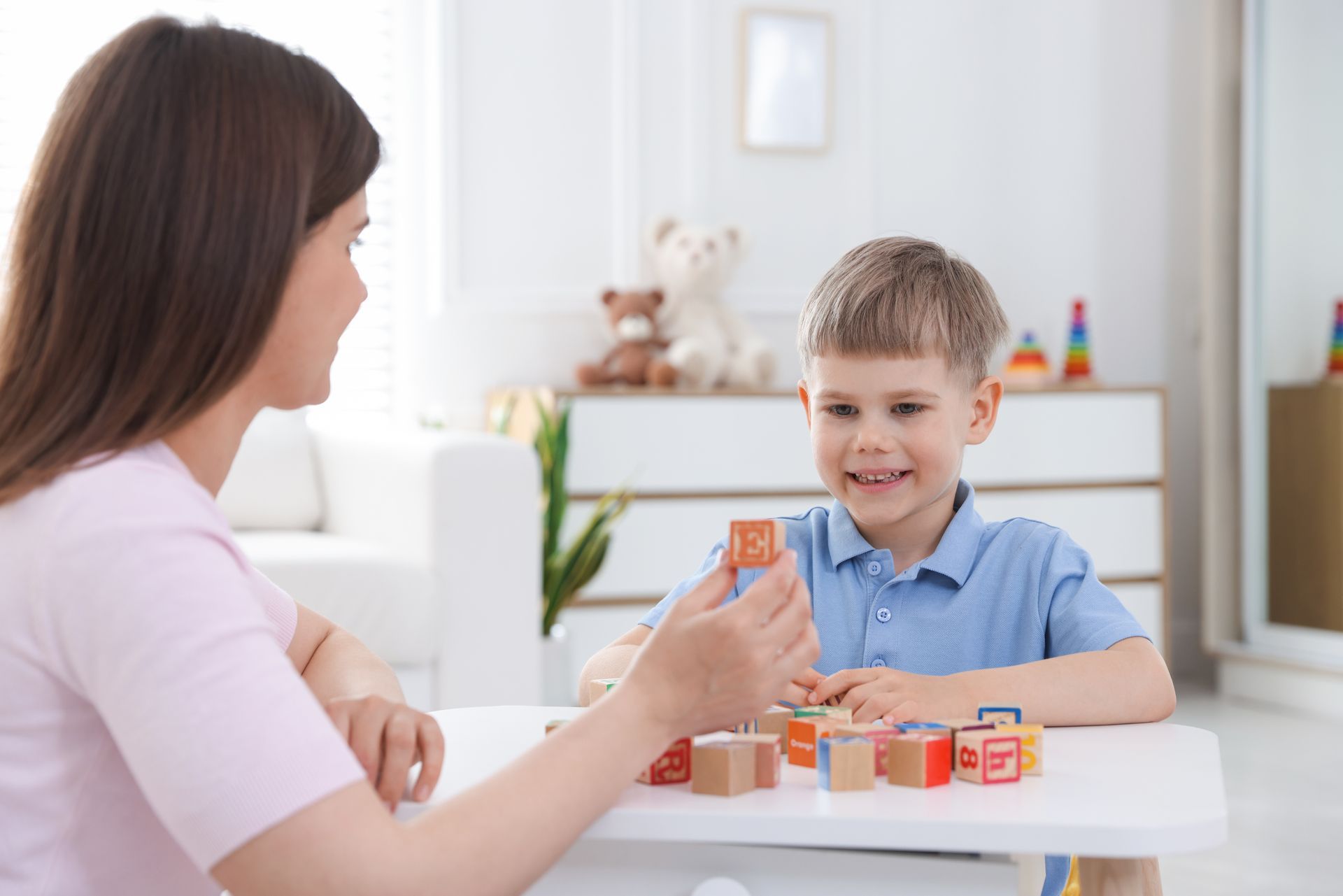
A woman is holding a letter r in front of a young boy.

The R sound is one of the most used in both the English and Spanish languages. Therefore when it is not produced correctly, speech can sound distorted. The R sound is typically acquired later in development, maturing completely between 6 or 7 years. As this sound develops later, it can be wrongly decided to do nothing about it. Sometimes waiting is the right thing to do, but other times intervention and therapy are needed.

As a child grows older and may not be able to produce the R sound in their language, they become more aware of their problem and this can negatively affect their confidence. A low confidence level can keep children from participating in social, family, and school activities that can affect their long-term performance in all aspects of their life.

So, what should we do?

The right thing to do is to have a full evaluation with a Speech-Language Pathologist (SLP) as soon as the problem is identified. There are many components that affect the reception and production of sounds, and depending on the cause, the clinician will determine whether or not therapy is needed.

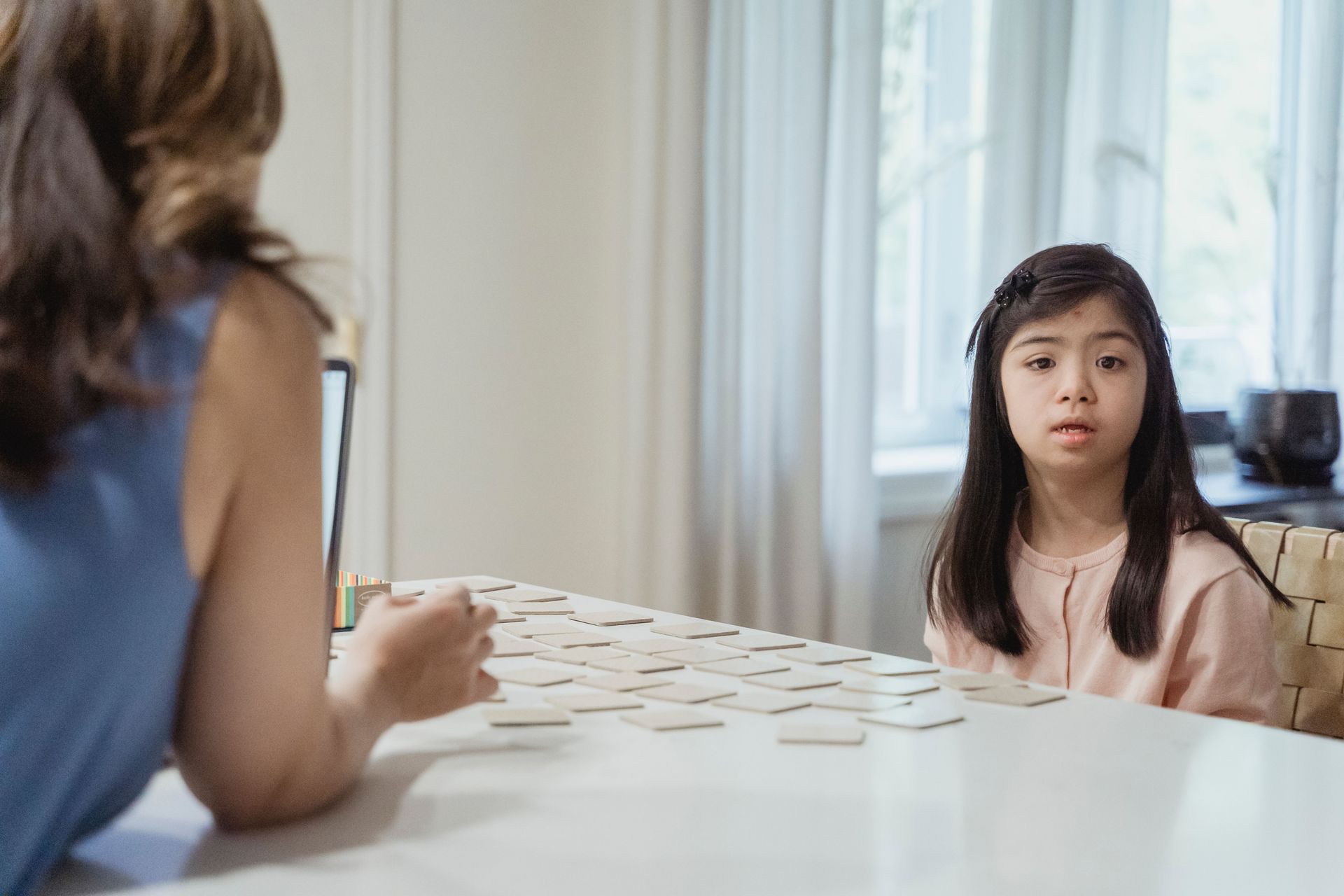
Two women are sitting at a table talking to each other.

How is it corrected?

A popular technique for correcting pronunciation is to identify sounds and work to correct those sounds in isolation. Then the child moves to producing the sound within words. The position of the sound within a word is generally considered and discussed. That is, practicing the sound when it appears at the beginning of the word, in the middle, and at the end of the word (initial, medial or final positions). Typical treatment includes drilling the same sound over and over again to improve muscle memory. Through this method, success is achieved by targeting a sound in a phonetically consistent way.

It is a team effort, the SLP will determine the problem and create the most effective treatment plan for your child, but it is also their duty to guide the parents for work at home and at school. Never be left with doubts and always ask what is the best way to help your child at home, hand-in-hand with your therapist.

If you have concerns regarding your child’s speech sound productions, you can request a  FREE Screening  or learn more about our services on our website  www.ppt4kids.com ! 

We offer comprehensive evaluations and free screenings with locations in Boca Raton, Lake Worth, West Palm Beach, and Belle Glade, as well as teletherapy visits.

The post Knowing the R Sound appeared first on PPT4Kids.

By Aimee Brueck August 4, 2026
Many families today raise children in homes where more than one language is spoken. While this is a wonderful gift, it can also bring questions and concerns about speech and language development. Parents often wonder if learning multiple languages will confuse their child or delay speech. At Progressive Pediatric Therapy, our Bilingual Language Wellness Visit helps families understand what typical bilingual development looks like and provides practical strategies to nurture every language their child speaks with confidence.
By Aimee Brueck July 31, 2026
Every child experiences big emotions as they grow. Meltdowns, worries, sensory sensitivities, and difficulty with transitions are all part of learning how to navigate the world. For many parents, however, it can be hard to know what’s typical and when extra support might help. At Progressive Pediatric Therapy, our Social-Emotional Wellness Visit helps families better understand their child’s emotional development and provides practical strategies to support regulation, confidence, and calmer daily routines.
July 29, 2026
Many children with ADHD and dyslexia also have overlooked vision problems that make focus and reading harder. A 2026 research review examined whether virtual reality vision therapy for ADHD and dyslexia can help. Here is what the evidence shows, written for both parents and therapists, from the team at Progressive Pedi
Autism and Motor Skills: What New Exercise Research Shows
By Aimee Brueck July 24, 2026
A 2026 meta-analysis found structured exercise produced large gains in motor skills in autistic children. Here's what it means for parents and therapists.
By Aimee Brueck July 21, 2026
New research shows AAC can help young children build sentences, not just point to single words
Person in a motorized exoskeleton using a kiosk in a hospital hallway
By Mary B. Pengelley, PT, DPT, ATP July 18, 2026
Chapter 1: Why Do Some Children Use Standers?
By Aimee Brueck July 10, 2026
For many families, mealtime can feel more stressful than enjoyable. Parents often worry when their child suddenly refuses foods they used to love or insists on eating only a small handful of familiar items. At Progressive Pediatric Therapy, we understand how confusing and frustrating picky eating can feel. Our Feeding & Mealtime Wellness Visit helps families turn mealtime struggles into calm, confident routines where children can explore food without pressure and parents can feel supported.
By Aimee Brueck July 3, 2026
In today’s tech-filled world, many parents notice the same pattern at home: when there’s a quiet moment, children often reach for a screen. While technology can be helpful in moderation, play remains one of the most important ways children grow, connect, and learn about the world. At Progressive Pediatric Therapy, our Play Development Wellness Visit helps families understand how play develops and provides simple, practical strategies to encourage creativity, independence, and connection—without the daily battles over screen time.
By Aimee Brueck June 26, 2026
For many families, learning to ride a bike is one of childhood’s biggest milestones.It represents freedom, confidence, independence, and fun.But for some children, bike riding can also feel frustrating, scary, or overwhelming. Parents often wonder:
By Aimee Brueck June 24, 2026
In today’s digital world, children are spending more time typing, tapping, and swiping, and less time writing by hand. Many parents notice the effects quickly.