Infant and Toddler Toy Recommendations

Progressive Pediatric Therapy • December 5, 2020

Compiled and written by Brittni Barnes, OTR/L & Teresa Hans, OTR/L

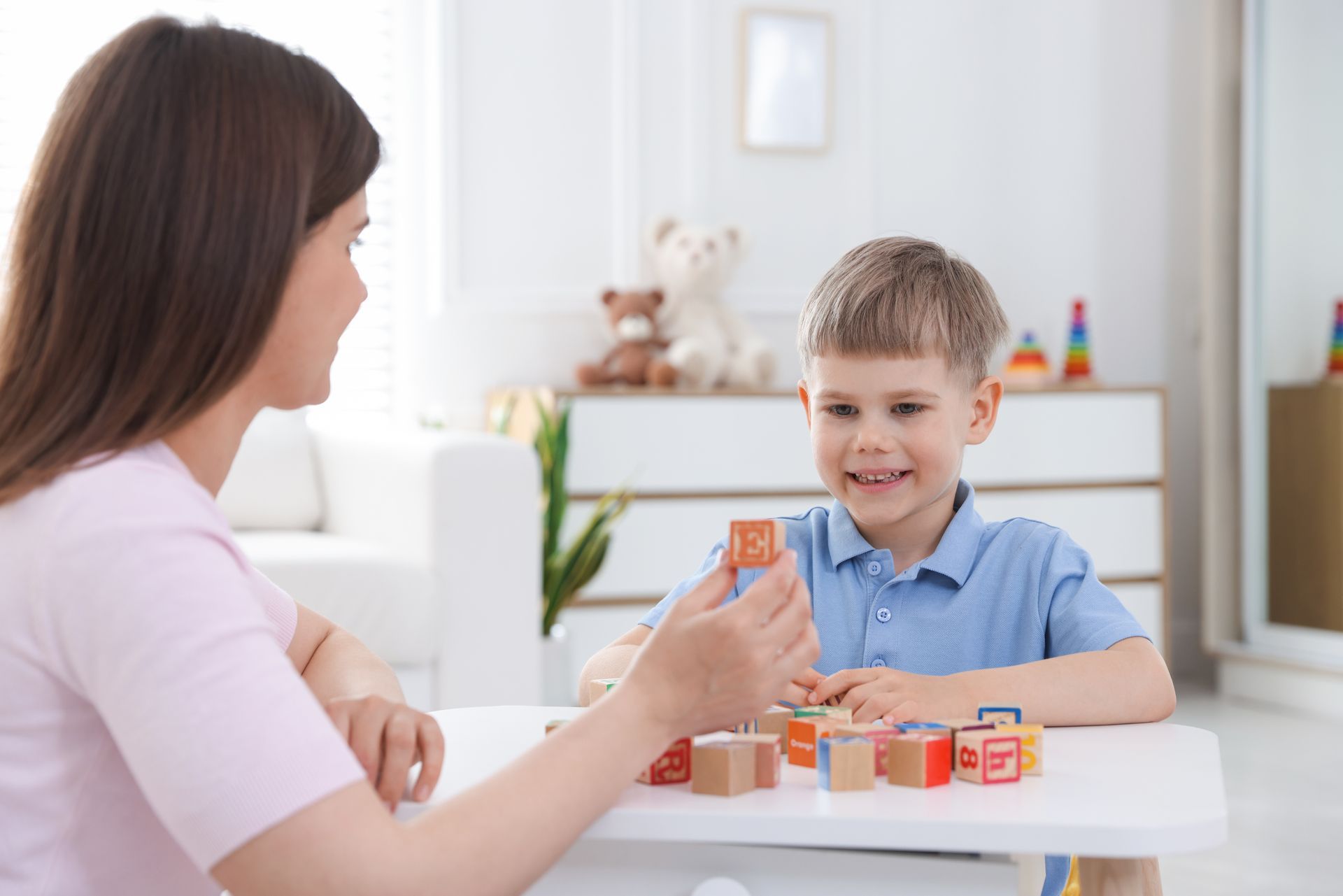
A child is playing with blocks on a table.

Ever wanted to know what toys therapists LOVE for different developmental stages?

Progressive Pediatric Therapy staff have compiled a list for the different ages and stages to foster development! Check out our favorite toys for infants and toddlers! These toys are ideal for children aged birth to 2 years old.

(This Post contains paid affiliate links)

  • Stack Up Cup Toys: This toy is versatile and can be used to foster language, fine motor skills and gross motor skills. Your baby/toddler can work on language concepts such as “Up/Down” “big/small”. They also can be used for grasping and releasing. Place them around the room and have your toddler crawl for them.
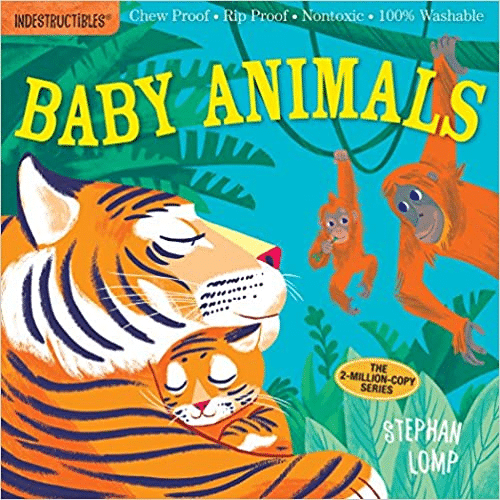
  • Indestructibles Books: We love this series of books that is made with babies in mind. They will not rip and are safe when baby puts in their mouth.
  • Wooden Musical Piano: We recommend this toy because it can facilitate speech, occupational, and physical therapy goals. You can have this toy help learn the colors, cause and effect, sitting and so much more!
  • ezpz Mini Mat: Bowls are not just for eating, Stephanie one of our SLPA says that these mats are important for “Safest feeding and developmentally appropriate products for all children. Great for pretend play too.”
  • Soft Blocks: We love these soft blocks because they are great for reaching, grasping and once your child gets a little older throwing and catching.
  • Spin and Sing: Occupational therapist Sofia suggests this light up spinning toy, it is great for tummy time and for reaching while in a sitting position. Also great for eye hand coordination and cause and effect.
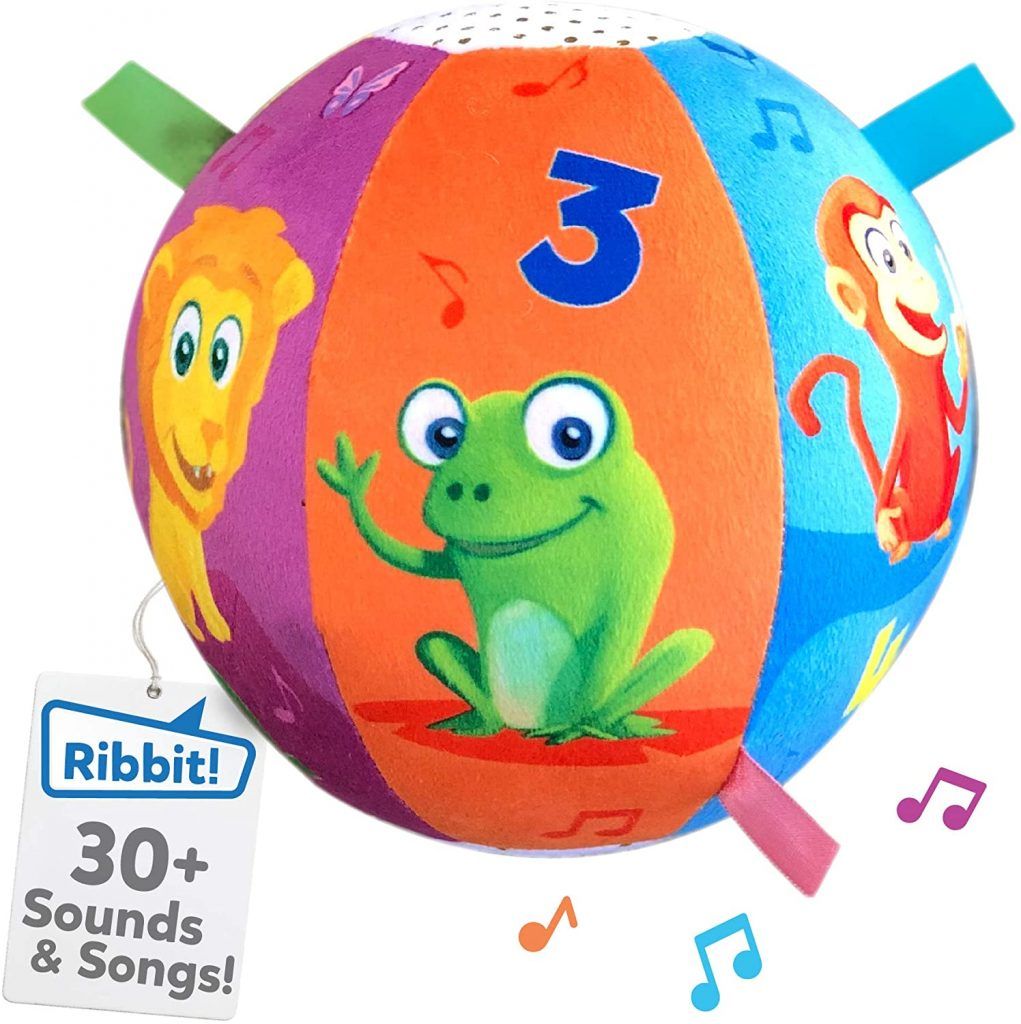
  • Interactive Ball: This interactive ball makes tummy time fun! Great for your child to work at looking to the side and reaching.
  • Taggies: Grab your babies attention with these crinkly little blankets! Babies can hold them easily in their hands and start learning about cause and effect (I moved my hand and this toy made noise.)
  • Whirly Squigz: These are designed for young hands to be able to move and manipulate. When you stick to a wall or vertical surface, the suction will last for a couple of minutes. This is a great item for encouraging individuals to work on their fine motor skills by manipulating the spinner.
  • Shape Sorter: The shape sorter is a toy that Brittini an Occupational Therapist feels like every home should have. “Shape sorters are great for both babies and toddlers, babies can start to grasp the large shapes and place them in the open container. As they get better you can have them start putting them into the same shaped holes! Such a versatile toy.”
  • Little People : Little people are great across the ages for infants they are a large size that will work on grasping and releasing, as the child gets older they will facilitate pretend play. You can use them for language concepts as they come in a variety of animals and themes.
A wooden puzzle with a dog a cat and a fish on it
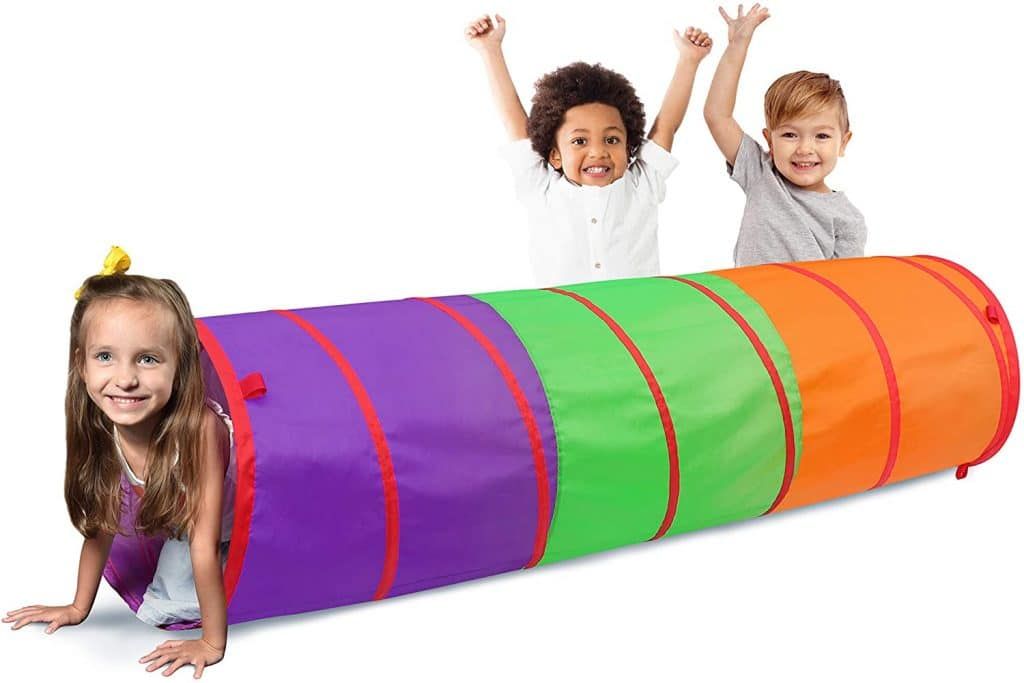
Three children are playing in a colorful tunnel.
  • Tunnel : Use this tunnel to set up obstacle courses inside or outside! Can also be used for children to go into for a sensory break. No more boring rainy days when your kids have a tunnel to get them moving!
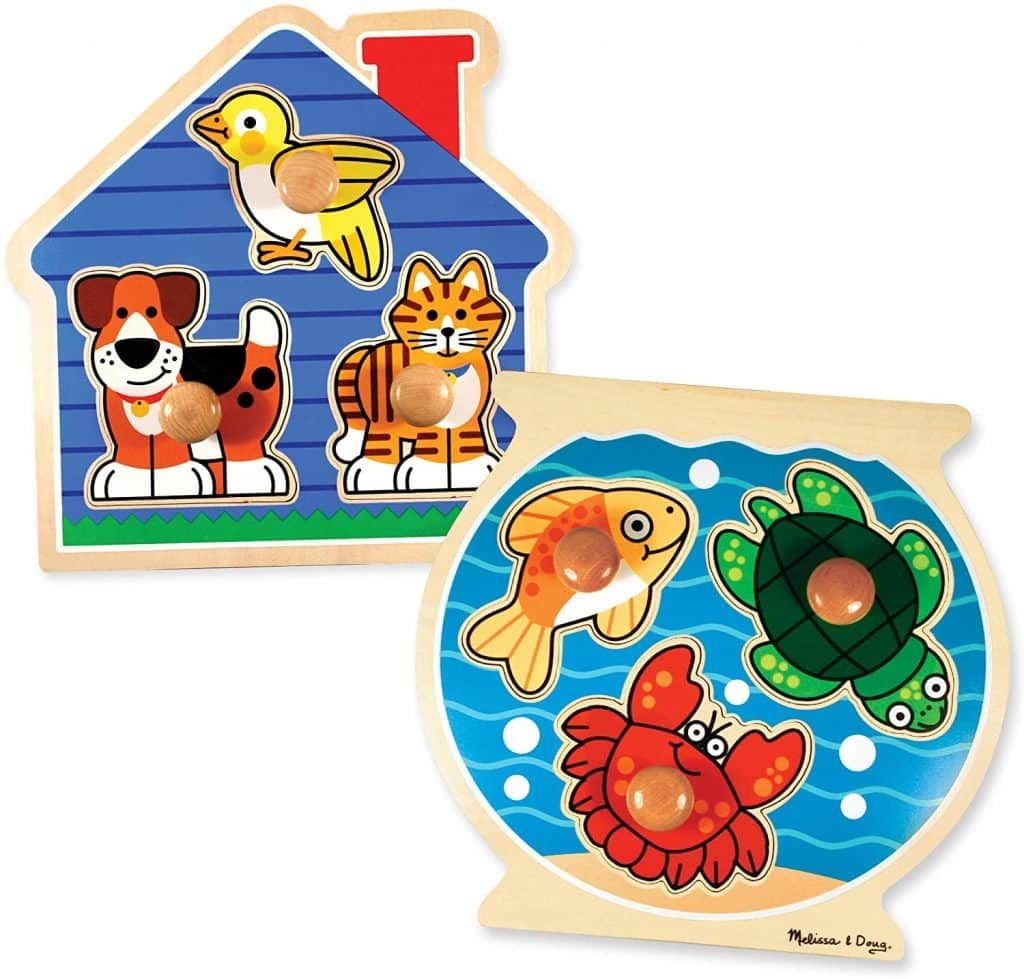
  • Knob Puzzle: Start playing with puzzles with these large knobbed ones. The large knobs are great for little hands and the pieces fit into the board!

Occupational Therapist Callie gave us a fun activity to share with a tunnel and knob puzzle! “Place single puzzle piece at one end of tunnel and puzzle at other end. Child takes puzzle piece and holds while crawling through tunnel, then places it into the correct spot in the puzzle. Repeat till puzzle is complete! For additional challenge, try having child bear crawl (walk on hands and feet) to get back to the start of the tunnel or wheelbarrow walk (walk on hands while parent holds legs suspended in the air).”

  • Mega Blocks: Mega Blocks are a great first building toy, they can be used for babies when they are learning how to push and pull apart and grasp and release (such a great size for this). As the baby grows to a toddler they are great for building simple towers, color and size sorting.
  • Peanut Ball: This is a great toy for all ages as they come in different sizes. They are great for balance and co-ordination training, strengthening, gross motor and proprioceptive activities.
  • Tummy Time Mirror: A tummy time mirror is great to help increase the length your baby is lying on their belly. Babies love looking at themselves! You can also move the mirror around so your baby is moving their head and their eyes to track for the mirror.
  • Spin Again Toy: This toy is such a fun way to work on your babies sitting and control while reaching for items! This is similar to a simple stacking ring tower but so much more fun with the visual of the gears, your baby, toddler and older kids will love this toy.
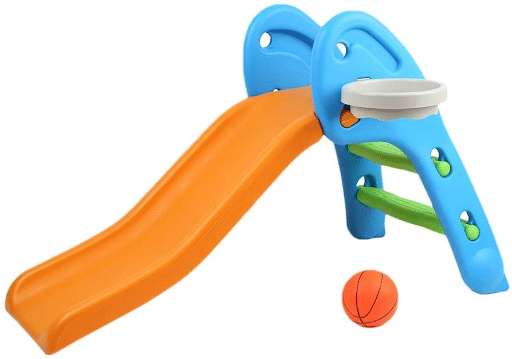
A blue and orange slide with a basketball hoop
  • Slide with Basketball hoop: This is a great toy for toddlers! They will work on problem solving, “How do I climb those steps?” Cause and effect, I climber up now I get to slide down! Motivational for throwing and making it into the hoop. The possibilities for the slide are endless.

Which toy is your favorite? Did we miss one of your favorite toys for infant and toddlers? Let us know which one in the comments!

For more toy recommendations check out these other blog posts:

The post Infant and Toddler Toy Recommendations appeared first on PPT4Kids.

By Aimee Brueck August 4, 2026
Many families today raise children in homes where more than one language is spoken. While this is a wonderful gift, it can also bring questions and concerns about speech and language development. Parents often wonder if learning multiple languages will confuse their child or delay speech. At Progressive Pediatric Therapy, our Bilingual Language Wellness Visit helps families understand what typical bilingual development looks like and provides practical strategies to nurture every language their child speaks with confidence.
By Aimee Brueck July 31, 2026
Every child experiences big emotions as they grow. Meltdowns, worries, sensory sensitivities, and difficulty with transitions are all part of learning how to navigate the world. For many parents, however, it can be hard to know what’s typical and when extra support might help. At Progressive Pediatric Therapy, our Social-Emotional Wellness Visit helps families better understand their child’s emotional development and provides practical strategies to support regulation, confidence, and calmer daily routines.
July 29, 2026
Many children with ADHD and dyslexia also have overlooked vision problems that make focus and reading harder. A 2026 research review examined whether virtual reality vision therapy for ADHD and dyslexia can help. Here is what the evidence shows, written for both parents and therapists, from the team at Progressive Pedi
Autism and Motor Skills: What New Exercise Research Shows
By Aimee Brueck July 24, 2026
A 2026 meta-analysis found structured exercise produced large gains in motor skills in autistic children. Here's what it means for parents and therapists.
By Aimee Brueck July 21, 2026
New research shows AAC can help young children build sentences, not just point to single words
Person in a motorized exoskeleton using a kiosk in a hospital hallway
By Mary B. Pengelley, PT, DPT, ATP July 18, 2026
Chapter 1: Why Do Some Children Use Standers?
By Aimee Brueck July 10, 2026
For many families, mealtime can feel more stressful than enjoyable. Parents often worry when their child suddenly refuses foods they used to love or insists on eating only a small handful of familiar items. At Progressive Pediatric Therapy, we understand how confusing and frustrating picky eating can feel. Our Feeding & Mealtime Wellness Visit helps families turn mealtime struggles into calm, confident routines where children can explore food without pressure and parents can feel supported.
By Aimee Brueck July 3, 2026
In today’s tech-filled world, many parents notice the same pattern at home: when there’s a quiet moment, children often reach for a screen. While technology can be helpful in moderation, play remains one of the most important ways children grow, connect, and learn about the world. At Progressive Pediatric Therapy, our Play Development Wellness Visit helps families understand how play develops and provides simple, practical strategies to encourage creativity, independence, and connection—without the daily battles over screen time.
By Aimee Brueck June 26, 2026
For many families, learning to ride a bike is one of childhood’s biggest milestones.It represents freedom, confidence, independence, and fun.But for some children, bike riding can also feel frustrating, scary, or overwhelming. Parents often wonder:
By Aimee Brueck June 24, 2026
In today’s digital world, children are spending more time typing, tapping, and swiping, and less time writing by hand. Many parents notice the effects quickly.