Continuing education is essential for
pediatric physical therapists who want to stay current with evidence-based treatment strategies, maintain licensure, and improve outcomes for children and families.
But with so many CEU options available online, it can be difficult to determine which courses are actually worth your time and money.
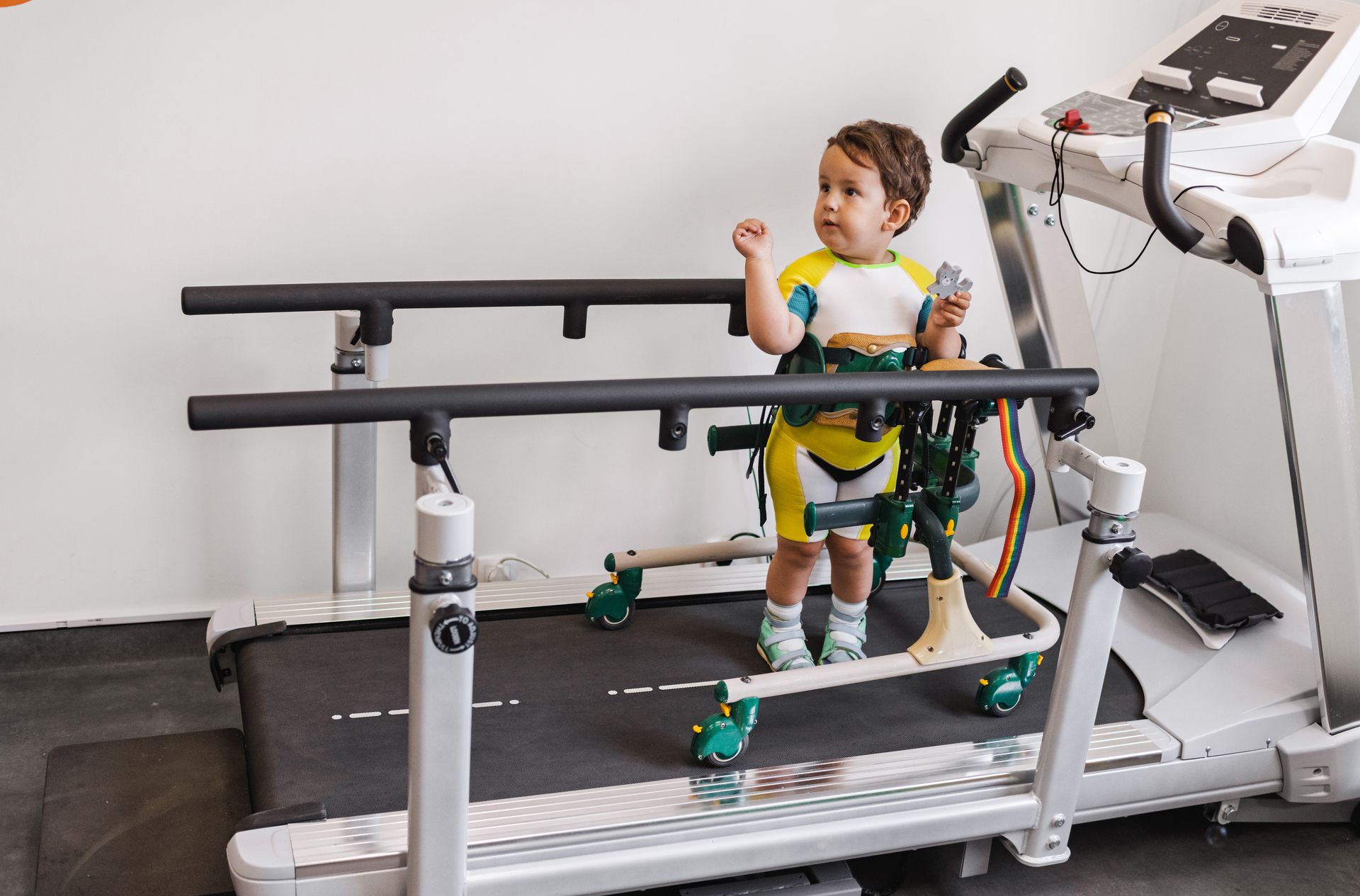
To help, we’ve compiled a list of top pediatric physical therapy CEU courses and platforms for 2026, focusing on high-demand areas like gait training, neurorehabilitation, adaptive equipment,
torticollis treatment, strength-based care, and
pediatric orthotics.
We’ve also included
PPT4ED Picks: courses designed for therapists who want practical, real-world strategies they can apply immediately.
Best Pediatric Physical Therapy CEU Courses Online
1. MedBridge Pediatric Physical Therapy CEUs
Subscription-based unlimited CEUs
MedBridge is one of the most widely used continuing education platforms for physical therapists, offering extensive pediatric content taught by recognized experts.
- pediatric gait and mobility
- cerebral palsy management
- developmental milestones
- strength and balance training
- early intervention therapy
Flexible online access makes it ideal for busy clinicians.
2. Great Lakes Seminars – Pediatric Gait: Assessment & Treatment
Provider:
Great Lakes Seminars
💲Approx. $375 | 🕒 16 CEUs
A highly respected pediatric PT course focused on gait assessment and intervention strategies for children with neuromotor and orthopedic conditions.
- gait analysis
- cerebral palsy treatment strategies
- hypotonia and movement disorders
- orthopedic considerations
- functional mobility training
Popular among pediatric PTs working in outpatient and school-based settings.
3. Surestep Continuing Education Courses
Surestep offers free and paid continuing education courses focused on pediatric orthotics and lower extremity management.
- SMOs and AFOs
- gait and alignment
- toe walking
- hypotonia
- orthotic decision-making
Courses are designed for pediatric therapists working with children with mobility and postural challenges.
4. Education Resources Inc. (ERI) Pediatric Physical Therapy Courses
Provider: Education Resources Inc. (ERI)
ERI offers a large catalog of pediatric PT continuing education courses in both live webinar and on-demand formats.
- torticollis treatment
- infant motor development
- pediatric neurorehabilitation
- balance and coordination
- strengthening interventions
Courses are taught by experienced pediatric clinicians and researchers.
PPT4ED Picks for Pediatric Physical Therapists
5. Catch the Wave! Introduction to Whole Body Vibration in Pediatric Therapy
Provider:
PPT4ED
💲 $65 | 🕒 4 CE Hours | On-Demand
This course introduces pediatric therapists to the foundations of therapeutic vibration using the Galileo side-alternating mechano-stimulation platform.
- vibration safety and parameters
- positioning techniques
- strengthening applications
- sensory and motor benefits
- pediatric case study implementation
Designed for PTs, OTs, and SLPs working with children with neurodevelopmental challenges.
6.
Retrain the Therapist Brain: A Neurodiversity-Affirming Approach to Pediatric Therapy
Provider: PPT4ED
💲 $275 | 🕒 7.5 CE Hours | On-Demand
This course helps therapists shift toward a strengths-based, neurodiversity-affirming approach when working with children.
Physical therapists learn how to:
- understand neurodivergent movement and behavior
- apply neurodiversity-affirming care
- create strengths-based treatment plans
- write supportive, meaningful goals
Highly relevant for PTs working with autistic and neurodivergent children.
7.
Foundations of Pediatric Wheelchair & Adaptive Equipment
Provider: PPT4ED
💲 $45 | 🕒 2 CE Hours | Live Webinar
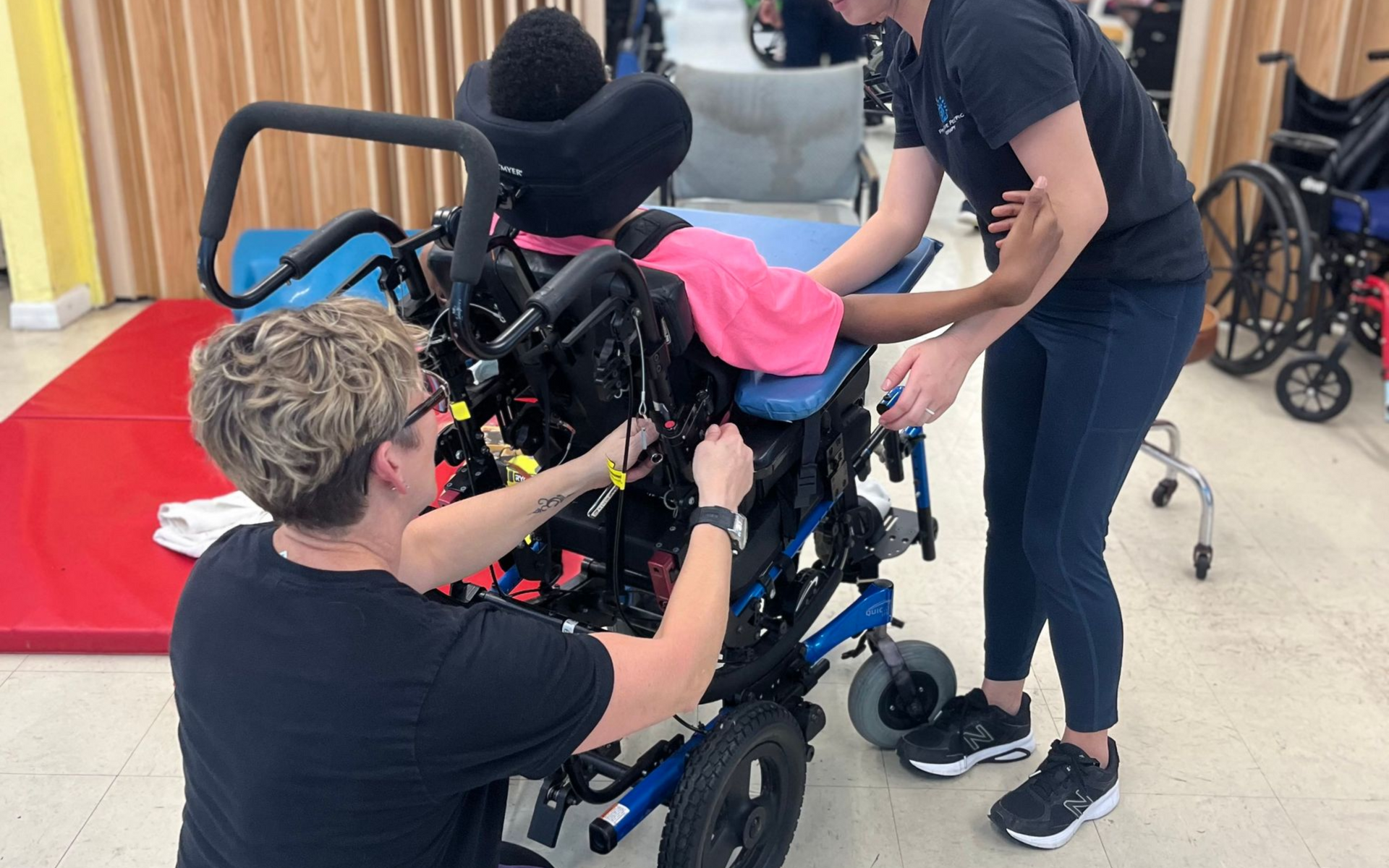
This introductory course provides pediatric therapists with foundational knowledge of mobility equipment and adaptive positioning.
- wheelchair basics
- posture and alignment
- adaptive seating
- gait trainers and walkers
- documentation and equipment recommendations
Ideal for pediatric PTs beginning involvement in adaptive equipment selection and mobility planning.
8.
The Power of Play: Linking Play to Language, Cognitive, Social-Emotional & Literacy Development
Provider: PPT4Ed
💲 $50 | 🕒 4 CE Hours | On-Demand
Play is critical to motor learning and participation in pediatric therapy.
This course explores how symbolic play development supports:
- motor engagement
- participation
- social interaction
- cognitive development
Therapists also learn play-based intervention strategies that can improve therapy participation and carryover.
Additional CEU Platforms for Pediatric Physical Therapists
9. APTA Learning Center
Provider: American Physical Therapy Association
The APTA Learning Center provides continuing education for physical therapists across multiple specialties, including pediatrics.
- pediatric rehabilitation
- evidence-based practice
- ethics and clinical decision-making
- early intervention
- neurological rehabilitation
A trusted source for PT continuing education.
10. Herman & Wallace Pediatric Pelvic Health Courses
Provider: Herman & Wallace Pelvic Rehabilitation Institute
Herman & Wallace offers pediatric pelvic floor and bowel/bladder continuing education for physical therapists.
- pediatric pelvic floor dysfunction
- bowel and bladder management
- constipation and continence
- pelvic health treatment strategies
An increasingly popular specialty area in pediatric PT.
Why Therapists Choose PPT4ED Courses
- Created by pediatric therapists
- Practical, real-world strategies
- On-demand and flexible learning
- Evidence-based and interdisciplinary
- Focused on immediate clinical application
Advance Your Pediatric Physical Therapy Practice