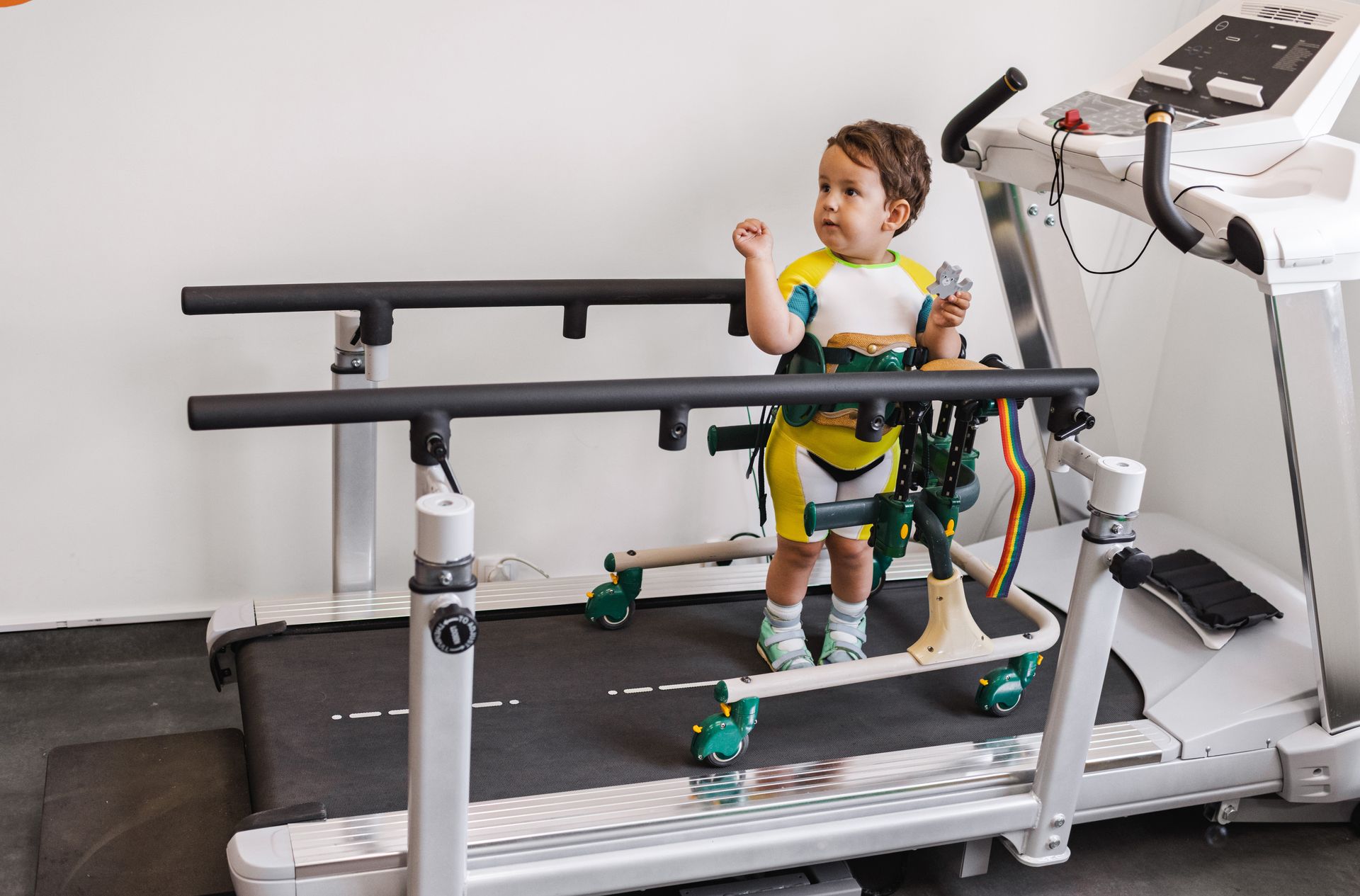
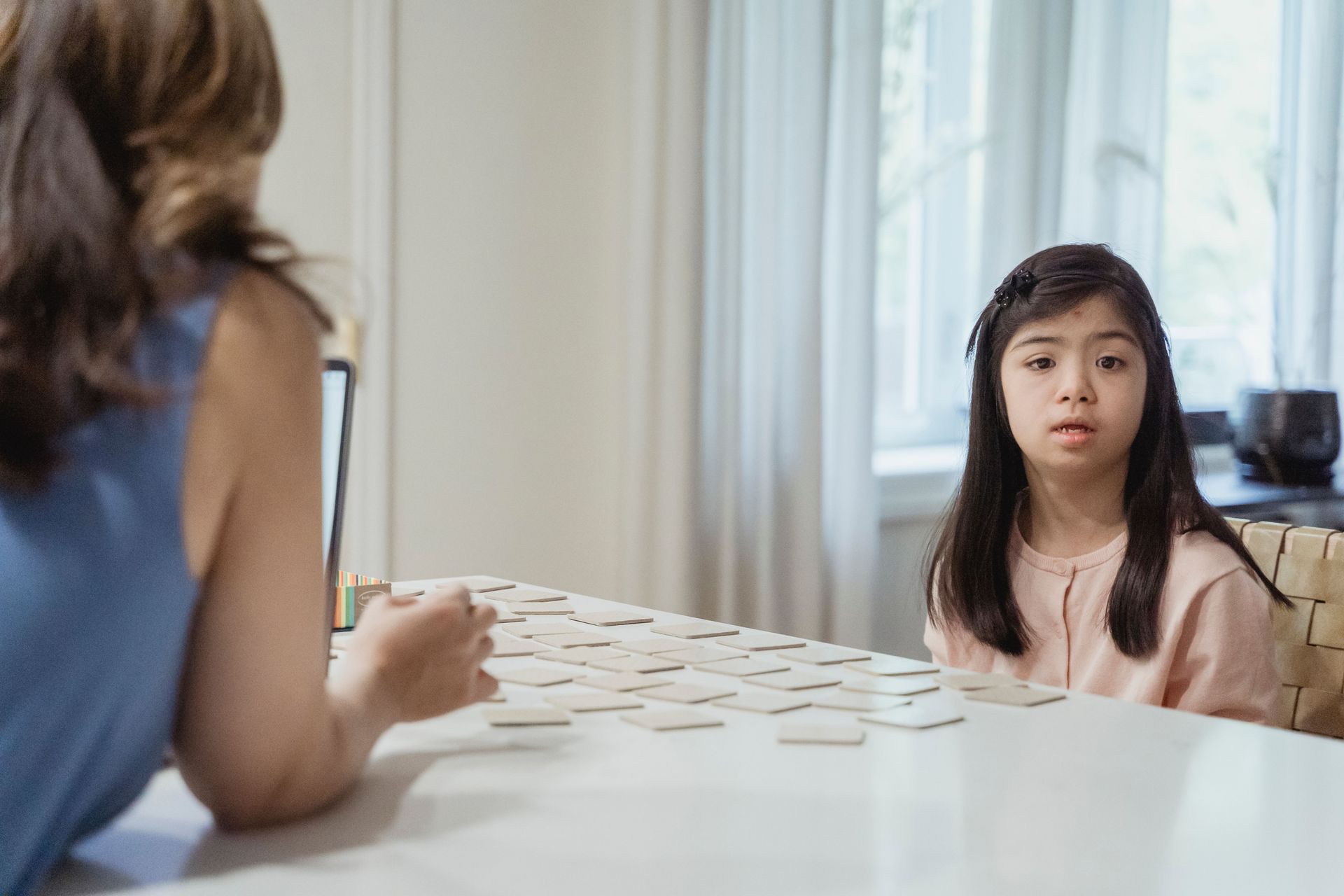
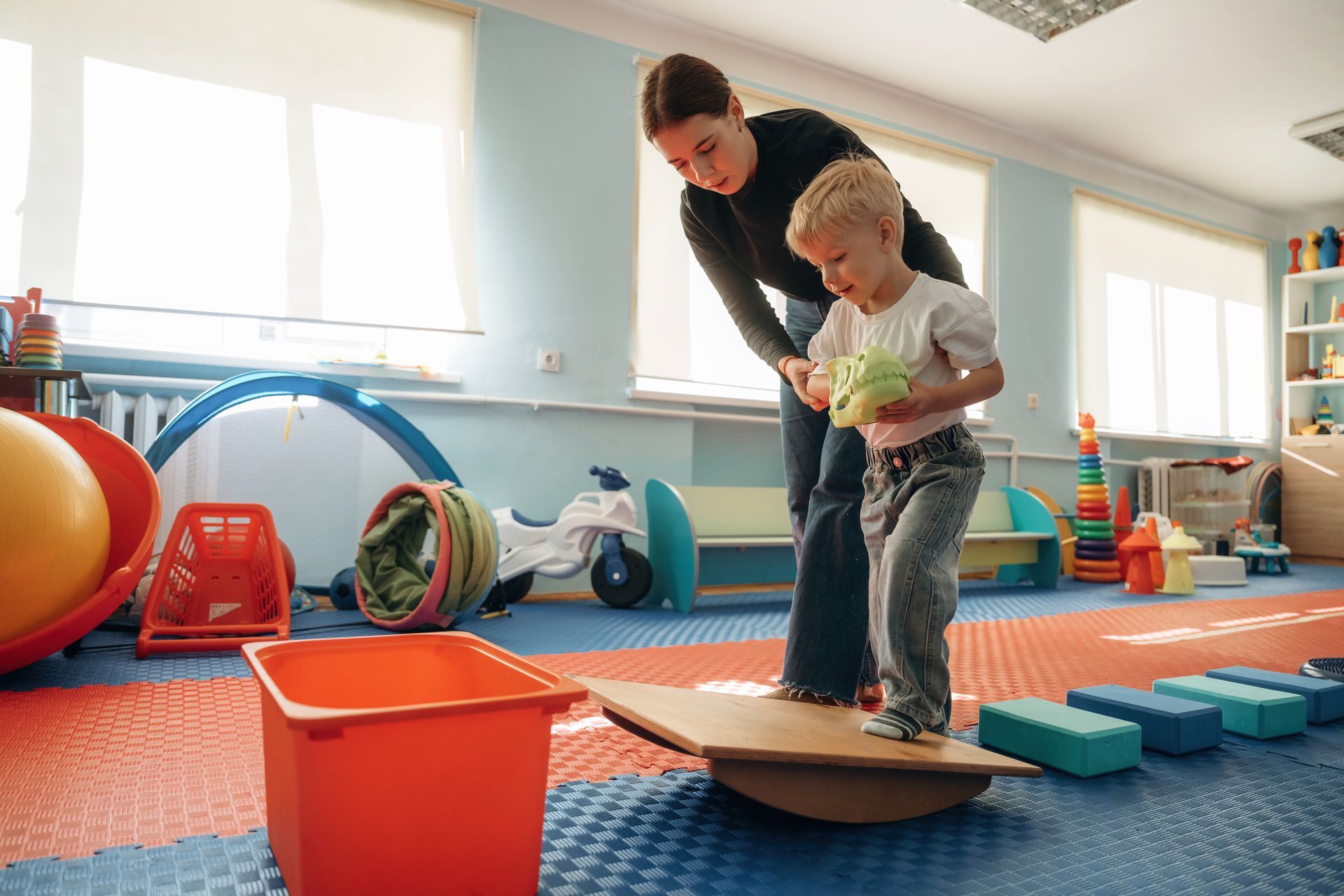
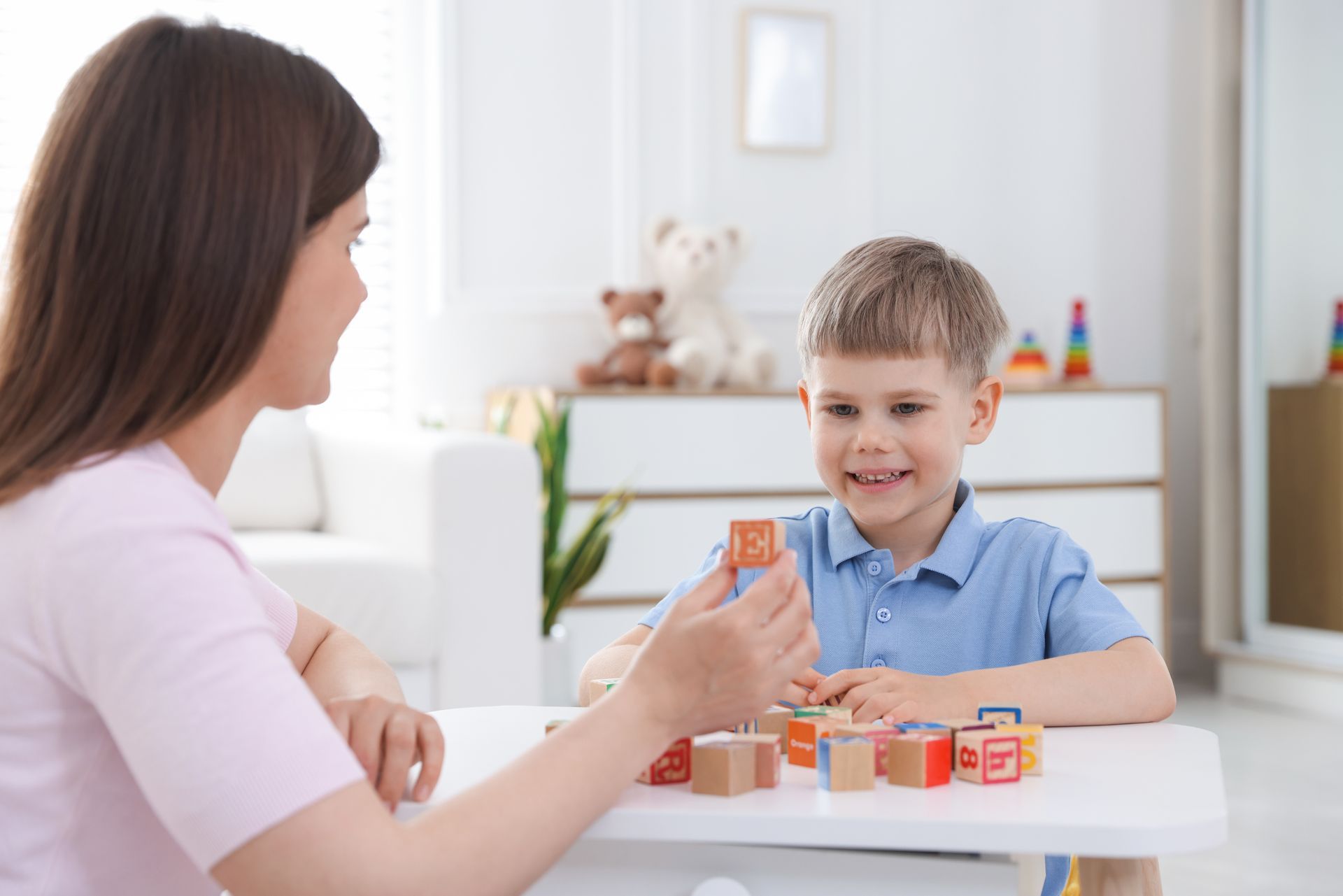
In today’s technology-driven world, many children are moving less than previous generations. While screens and busy schedules can make life easier in some ways, they also mean fewer opportunities for children to build the movement skills their bodies need.
Parents often notice when movement feels harder for their child — whether it’s riding a bike, keeping up with peers, or participating in active play.
At Progressive Pediatric Therapy, our
Movement Wellness Visit helps families understand how movement supports development and provides simple, realistic ways to build strength, coordination, and confidence through everyday play.
Why Movement Matters for Child Development
Movement is far more than exercise. It plays a critical role in how children learn, regulate their bodies, and interact with their environment.
Active movement supports:
Strength and Coordination – Developing the muscles and motor skills needed for everyday activities.
Attention and Focus – Movement helps organize the brain and improve concentration.
Balance and Body Awareness – Physical play helps children understand how their bodies move through space.
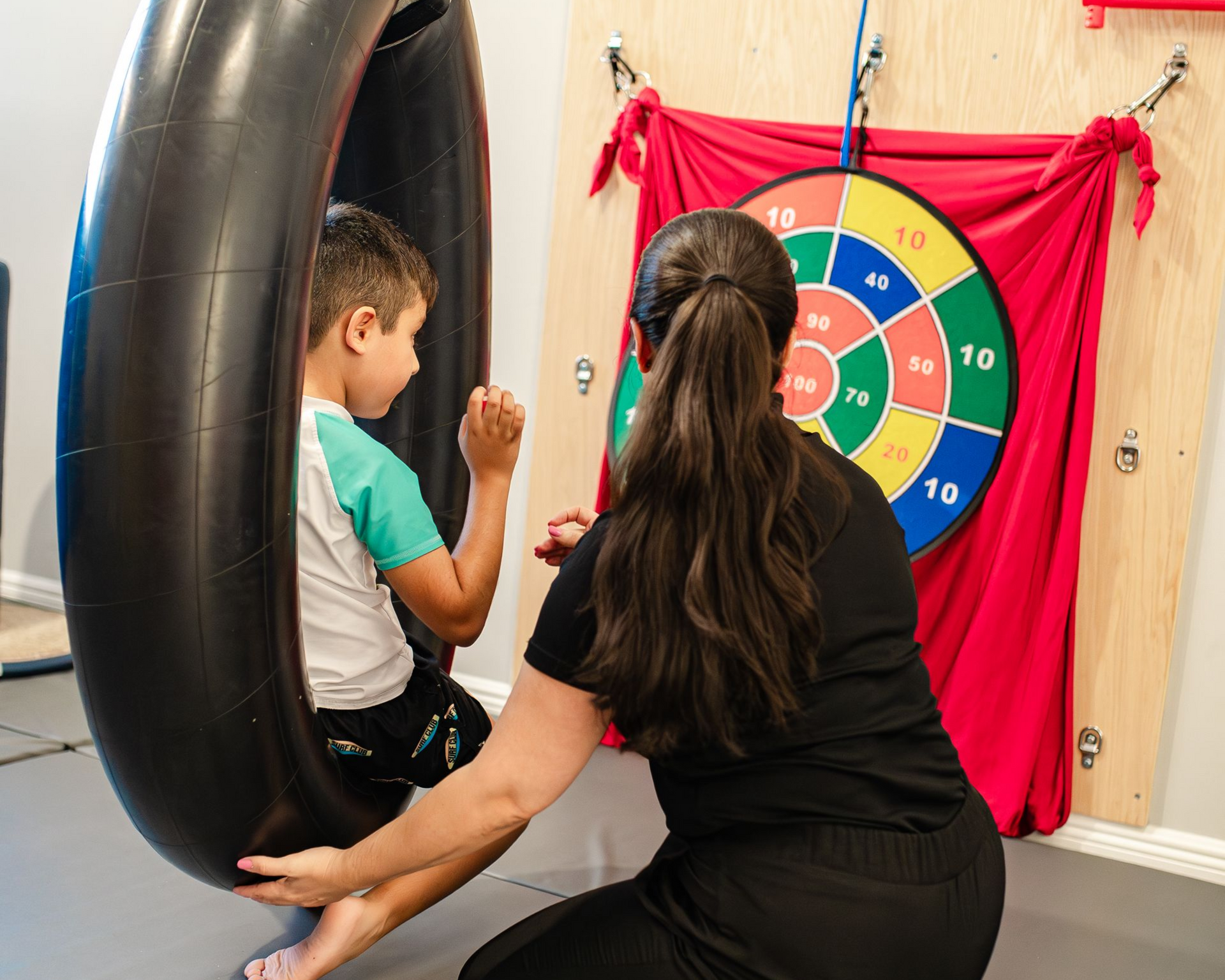
Emotional Regulation – Movement provides sensory input that helps children feel calmer and more regulated.
Confidence and Resilience – Mastering physical challenges builds self-esteem and perseverance.
When children move regularly, they strengthen both their
bodies and brains.
The Concern Many Parents Share
Parents often notice challenges like:
“She doesn’t know how to ride a bike.”
Or they may see that their child:
- Tires easily during physical activity
- Avoids playground equipment or sports
- Prefers sedentary activities or screen time
- Struggles to keep up with peers during active play
- Feels frustrated when trying new physical skills
Many children fall into what therapists call the
“gray area” — where movement is harder than it should be, but not severe enough to require therapy.
A Movement Wellness Visit helps families address these concerns early with guidance and practical strategies.
How Movement Shapes Development
Movement skills build progressively throughout childhood.
Each stage of development relies on active exploration and physical play.
Babies
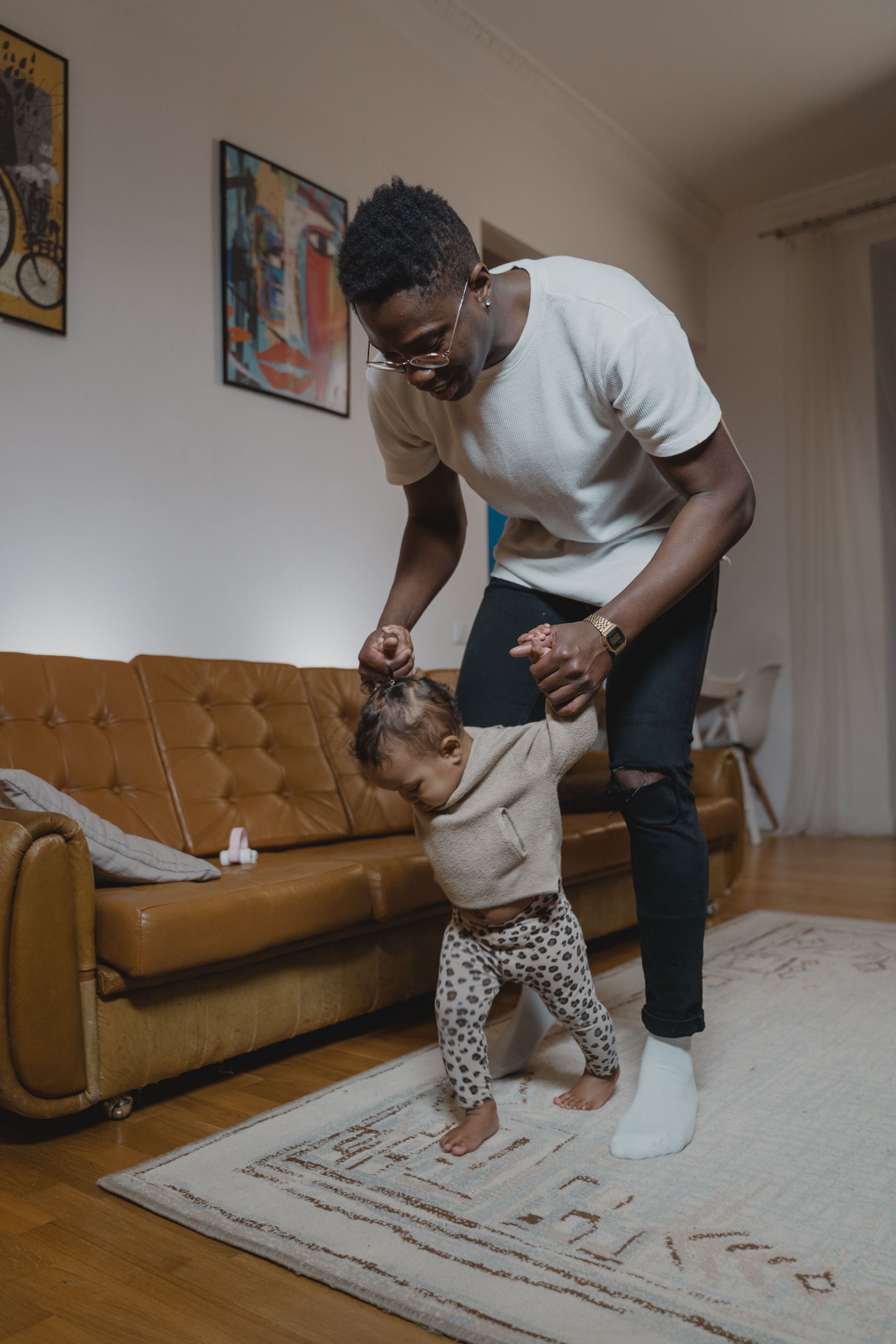
Develop head and trunk control through rolling, sitting, and crawling.
Toddlers
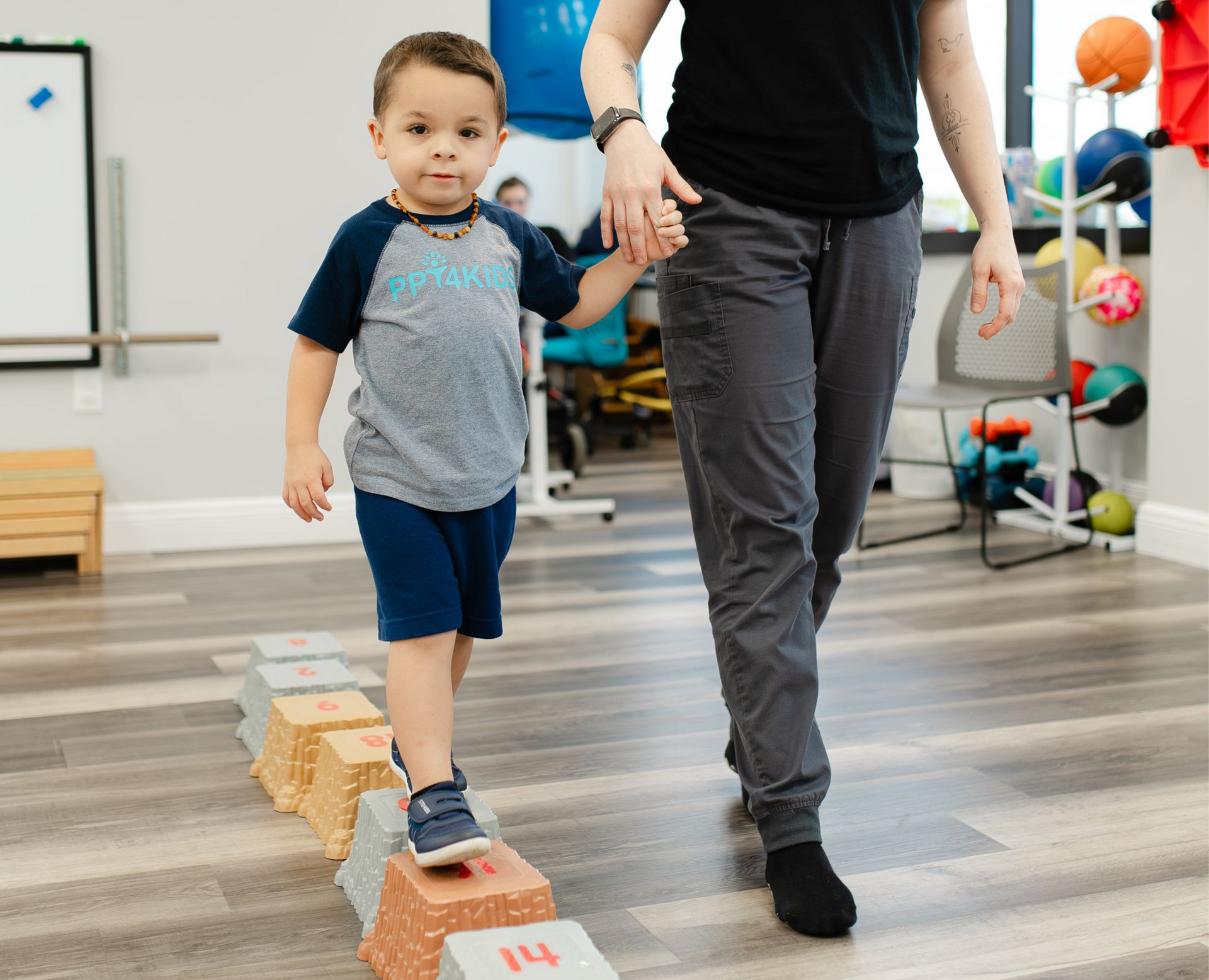
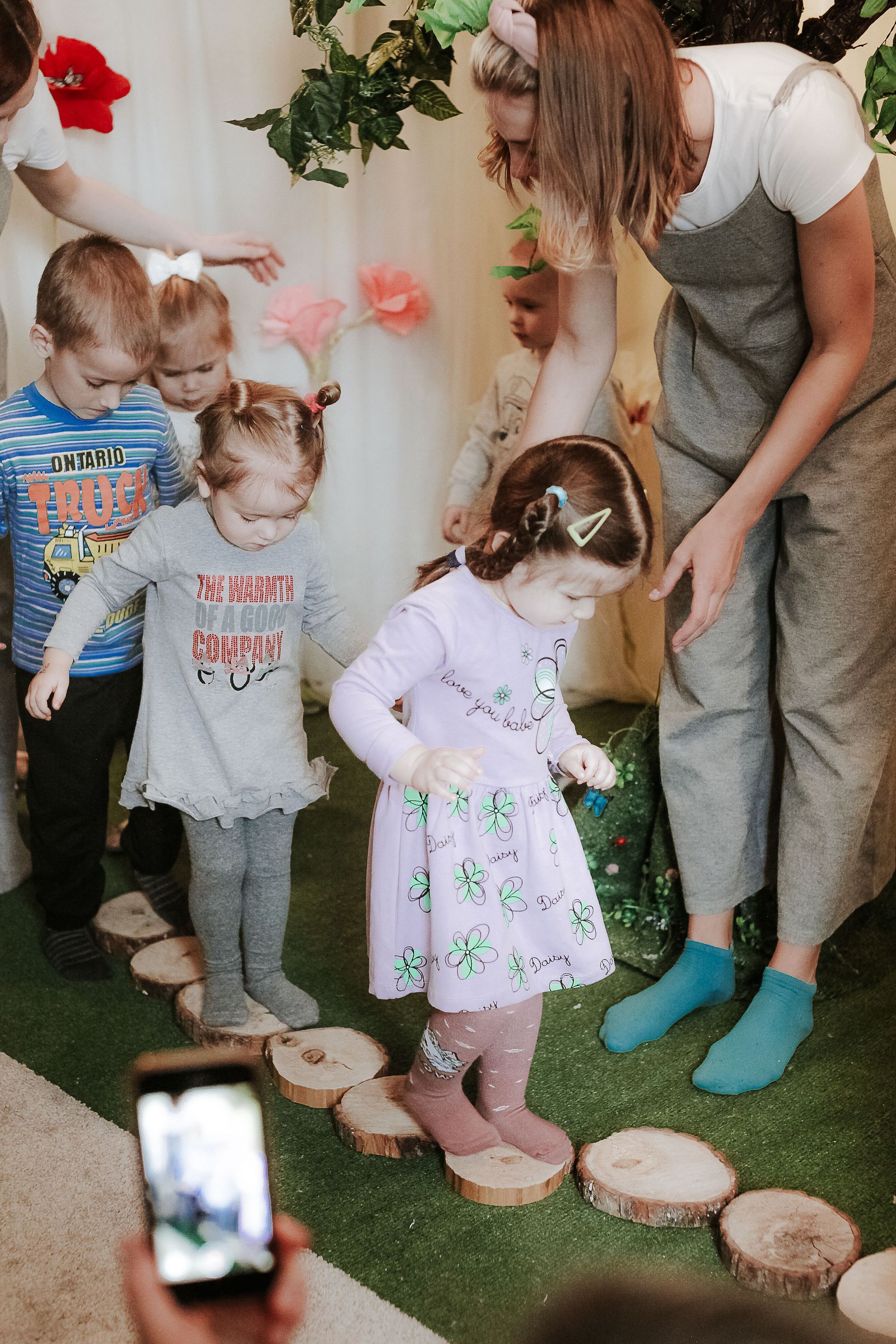
Build balance and coordination through walking, climbing, and throwing.
Preschoolers
Develop strength, rhythm, and coordination through jumping, galloping, and riding tricycles.
Early School Age
Build endurance, teamwork, and motor control through running, skipping, sports, and organized play.
When movement opportunities decrease, children may also experience challenges with attention, regulation, and physical confidence.
Signs Your Child May Benefit from Movement Support
Many children benefit from extra support building movement confidence.
A Movement Wellness Visit may help if your child:
- Avoids physical activity or playground play
- Tires quickly during movement or sports
- Struggles with balance, coordination, or endurance
- Spends significant time with screens or sedentary activities
- Feels hesitant trying new physical challenges
- Needs help building confidence in active play
Early guidance can help children develop healthy movement habits that last a lifetime.
How a Movement Wellness Visit Helps
During this visit, our pediatric therapists help families better understand their child’s movement patterns and physical development.
Parents receive guidance on:
- Understanding their child’s movement habits and activity levels
- Building strength, balance, and coordination through play
- Turning everyday routines into opportunities for movement
- Encouraging active play without pressure or frustration
- Creating movement-rich home routines
- Supporting attention, sleep, and emotional regulation through physical activity
Families leave with simple strategies and play ideas that fit easily into their daily routines.
Our Approach at Progressive Pediatric Therapy
Our therapists focus on helping families understand the role movement plays in development and how to incorporate active play naturally into everyday life.
With the right guidance and encouragement, children can build the skills and confidence they need to move, explore, and participate fully in their world.
Ready to Help Your Child Move with Confidence?
If your child struggles with physical activity, tires easily, or prefers sedentary play, a
Movement Wellness Visit can help you better understand their needs and create supportive routines.
Getting started is simple:
- Fill out the brief form
- Our team reviews your needs and matches you with the right therapist
- We contact you to schedule your Movement Wellness Visit
Small changes in daily movement can lead to big improvements in strength, attention, and confidence.
Ready to get started?
Call us at
561-376-2573 to schedule your Movement Wellness Visit today.