Guiding Growth: Supporting Families of Premature Babies Through Early Developmental Check-InsEmpty heading

Hosted by Progressive Pediatric Therapy


Pediatricians often hear worried parents ask:

“She was born early — is she always going to be behind?”

“He’s not rolling yet, but he was a preemie — should I be concerned?”

“She still feels floppy when I hold her. Will she catch up?”

These are everyday questions that can turn a routine visit into a 30-minute developmental counseling session. Parents of preemies crave reassurance, but physicians face a delicate balance — how to distinguish normal variation from emerging delay, provide guidance without alarming, and connect families with reliable support between visits.


Our Guiding Growth Program bridges that gap.

 This Lunch & Learn gives pediatric providers practical tools to confidently address developmental concerns, counsel families with evidence-based language, and refer to a trusted resource for individualized, therapist-led milestone check-ins.

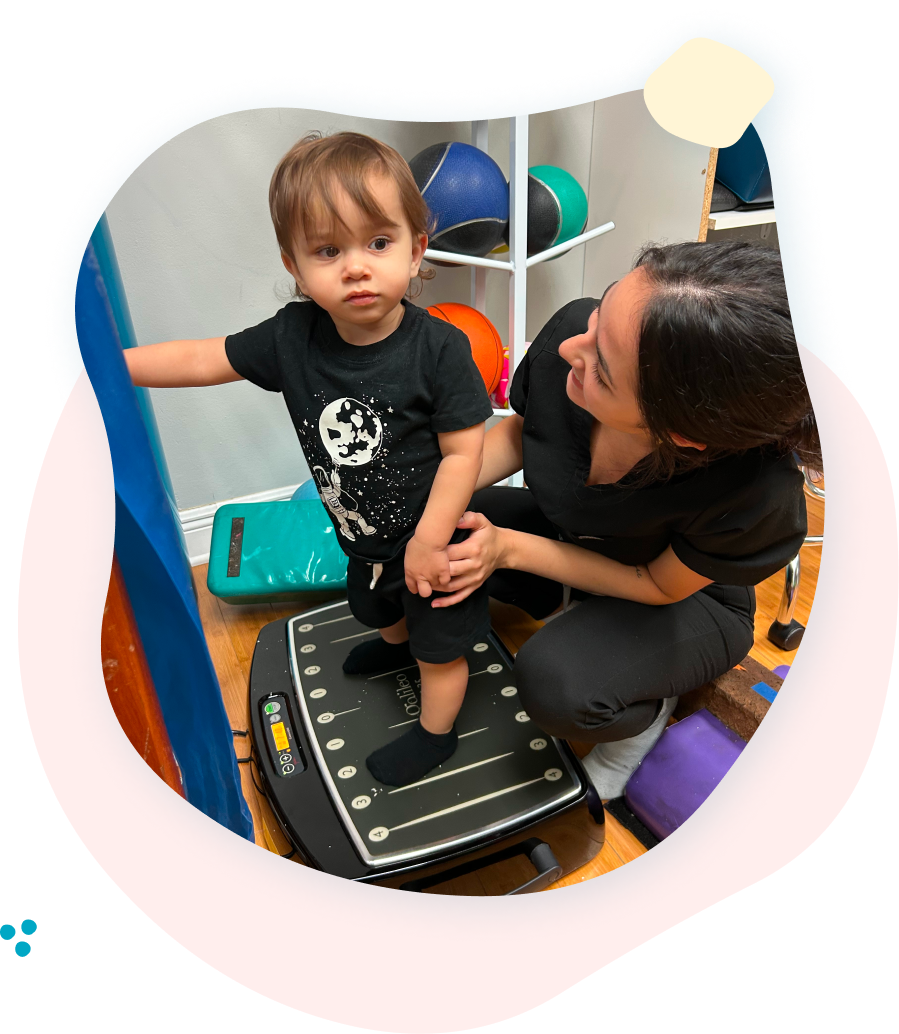
A woman is kneeling down next to a toddler who is standing on a platform.
A woman is teaching a child how to swim in a swimming pool.

Premature babies often experience different developmental trajectories as they transition from medical stability to active learning. Early “check-ins” can make all the difference in helping families feel supported and preventing secondary developmental delays.

This presentation equips physicians to:

  • Identify early developmental differences unique to preemies
  • Apply corrected age for milestone expectations
  • Guide parent conversations with confidence and clarity
  • Refer to Guiding Growth for structured follow-up and developmental coaching

By the end of this session, participants will be able to:

Explain how prematurity impacts early motor, sensory, and communication development.


  1. Differentiate expected preemie variation from early red flags requiring additional observation or referral.
  2. Use corrected age appropriately when reviewing milestones and counseling families.
  3. Provide practical, strengths-based guidance to parents of preemies during routine visits.
  4. Collaborate with Progressive Pediatric Therapy’s Guiding Growth Program for early developmental check-ins that support family confidence and child progress.

  • 1. The Real-World Challenge

    Parents of preemies often feel unprepared after NICU discharge. In the absence of structured developmental follow-up, they turn to you for every concern:


    • “He’s not sleeping through the night — is that normal for a preemie?”
    • “She hates tummy time and just cries — should I stop trying?”
    • “He was born six weeks early — how do I know what age to track milestones?”
    • “She’s not crawling yet, but our pediatrician said to wait — I’m worried.”

    Why this matters: These concerns are frequent but fall outside the medical model. When pediatricians have a referral resource like Guiding Growth, families receive expert support without unnecessary evaluations or insurance hurdles.

  • 2. Understanding the Preemie Difference

    • Early months focus on regulating breathing, heart rate, and temperature, not skill mastery.
    • Low muscle tone (hypotonia) and extended postures are common and improve with guided activities.
    • Preemies often communicate distress with subtle body cues rather than crying.
    • Development follows the same sequence as full-term babies but on a different timeline.
  • 3. The Power of Corrected Age

    Using corrected age when reviewing milestones helps set realistic expectations and prevents over-referral.

    For example:


    A 4-month-old born 8 weeks early should be expected to show 2-month skills — not 4-month milestones.


    Guiding parents through corrected-age tracking reduces anxiety and fosters trust.

  • 4. Proactive, Family-Centered Support

    Between well visits, families benefit from structured developmental check-ins where licensed pediatric therapists:


    • Monitor feeding, sleep, play, and motor development
    • Provide personalized handouts and guided activities
    • Teach parents how to read their baby’s cues
    • Identify when additional therapy or specialist input is warranted


Guiding Growth offers three private-pay milestone visits (recommended at newborn, 6-month, and 12-month points) focused on supporting healthy development — particularly for preemies and infants at risk for delay.

Each visit includes:

Comprehensive milestone monitoring (feeding, sleep, play, communication)

Personalized activities and positioning guidance

Parent coaching for understanding cues, tone, and sensory needs

Immediate access to PT/OT/SLP specialists if further support is indicated

No evaluation, no insurance, no referral required — but physician collaboration is welcomed.

 Progress notes can be shared back to your office for continuity of care.

Request an Evaluation
A person is wrapping another person 's hand with a bandage.

Reduces repeat “Is this normal?” calls by giving parents a trusted partner.

Keeps therapy referrals appropriate and based on observed need, not anxiety.

Strengthens continuity of care between medical and developmental providers.

Enhances family satisfaction through proactive, supportive follow-up.

Progressive Pediatric Therapy (PPT) provides physical, occupational, and speech therapy across multiple Florida locations. Our mission: Empowering children, families, and communities through therapy that inspires progress and builds lifelong confidence.

Through PPT4ED, our nonprofit education division, we provide continuing education, caregiver workshops, and early-development initiatives that strengthen the bridge between physicians, therapists, and families.